CM Sai Leads Karma Puja in Raigarh, Honours Tribal Heroes
Synopsis
Chief Minister Vishnu Dev Sai performed Karma Puja at Sarsamal village in Raigarh district on 15 October 2026, honouring tribal icons Birsa Munda, Veer Narayan Singh, and Veer Gundadhur and calling on every generation to preserve their legacy.
Key Takeaways
CM Vishnu Dev Sai performed Karma Puja rituals at Sarsamal village, Raigarh district on 15 October 2026 .
He prayed for the happiness and prosperity of all residents of Chhattisgarh .
The CM specifically named Birsa Munda , Veer Narayan Singh , and Veer Gundadhur as tribal heroes of the freedom struggle.
He called the introduction of these figures to younger generations a collective social responsibility.
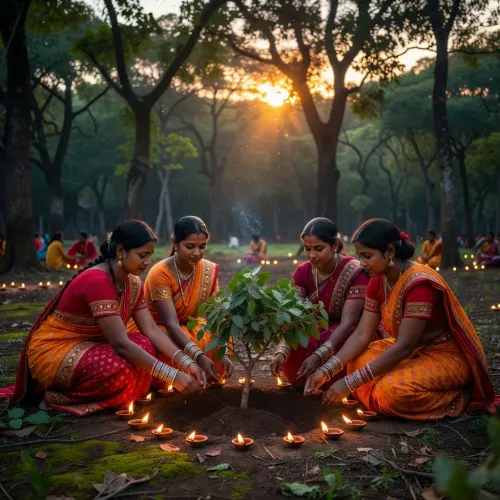
Karma Puja is an annual tribal harvest festival involving worship of the Karma tree for prosperity and well-being.
Official participation in tribal festivals has been a consistent feature of Chhattisgarh governance since the state's formation in 2000 .
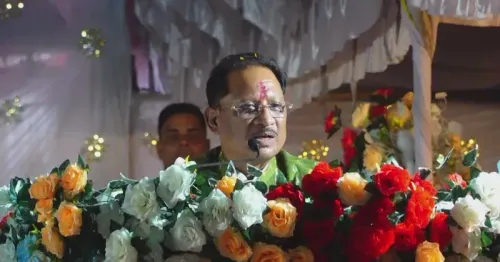
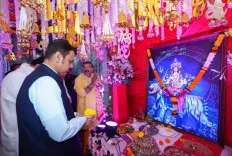
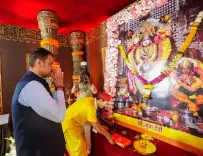
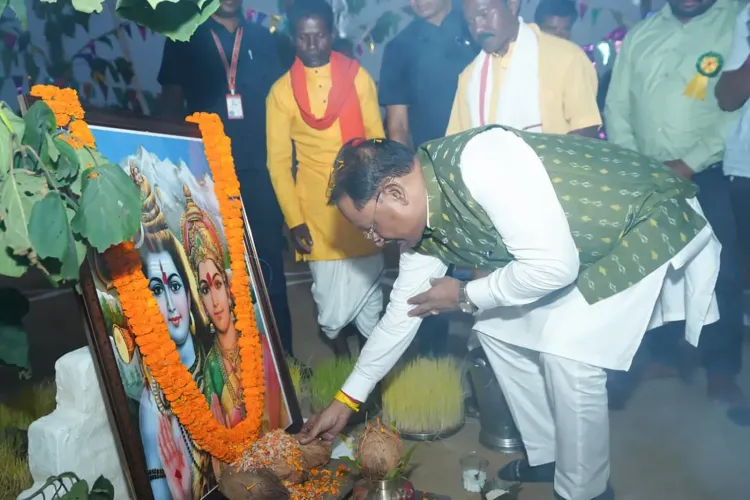
In the village of Sarsamal, Raigarh district, Chief Minister Vishnu Dev Sai stood before the sacred Karma tree on Thursday, 15 October 2026, and performed the age-old rituals of Karma Puja — invoking Lord Shiva-Parvati and the Karma branch for the welfare of every citizen of Chhattisgarh. It was a moment where faith and statecraft met on a village ground.
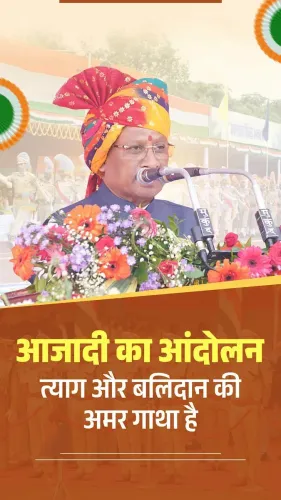
The Chief Minister's Office of Chhattisgarh shared the occasion on X, with CM Sai extending greetings for Karma Tihar and using the platform to make a pointed cultural argument: that tribal communities have left an indelible mark not just on Chhattisgarh's heritage, but on India's freedom movement itself.
The Three Names CM Sai Invoked — and Why They Matter
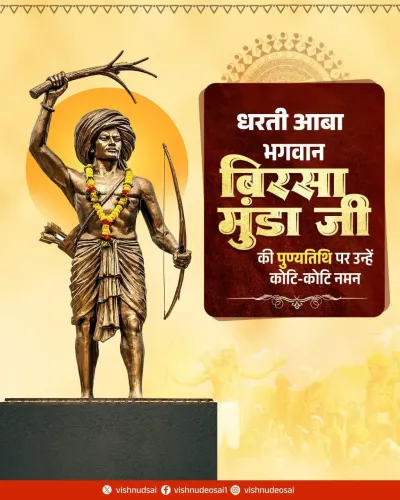
In his address, CM Sai named three tribal icons by name — Birsa Munda, Shaheed Veer Narayan Singh, and Shaheed Veer Gundadhur — each representing a distinct chapter of resistance against colonial rule. Birsa Munda, from the Jharkhand region, led the Ulgulan ('Great Tumult') movement in the 1890s against British land-grab policies, becoming a defining figure of tribal assertion across central India.
Veer Narayan Singh, a 19th-century son of Chhattisgarh, organised revolt against British revenue oppression and paid with his life — he is widely regarded as one of the first martyrs of the region's freedom struggle. Veer Gundadhur mobilised the Bastar tribal belt in the early 20th century against colonial forest laws that stripped communities of their livelihood. The CM's message was direct: 'It is our collective responsibility to introduce the new generation to their sacrifice, penance and martyrdom.'
Karma Puja and Its Roots in Tribal Life
Karma Puja, also called Karma Tihar, is one of the most widely observed tribal harvest festivals across Chhattisgarh and neighbouring states. Communities worship the Karma tree — a symbol of prosperity, strength, and the life-giving cycle of nature. The festival's rituals anchor tribal identity to the land, making it a natural stage for any government seeking to signal respect for indigenous culture.
Raigarh district, in eastern Chhattisgarh, carries a substantial tribal population, and the village of Sarsamal served as the site for this year's official celebration. Since Chhattisgarh's formation as a separate state in 2000, successive governments have deepened official participation in such festivals as a deliberate act of regional identity-building.
Culture as Continuity — The Broader Signal
CM Sai's presence fits a consistent pattern in states with large tribal populations: official attendance at indigenous festivals doubles as acknowledgement of historical grievances and an assertion of cultural pride. At the national level, the recognition of Birsa Munda's birth anniversary as Janjatiya Gaurav Diwas since 2021 set a precedent that state governments have actively mirrored. Chhattisgarh — where tribes constitute a significant share of the population — has particular reason to sustain that momentum.
The #ViksitChhattisgarh and #Sushasansarkar hashtags appended to the post tie the cultural moment to the government's development and good-governance messaging, a framing that signals continuity between heritage and aspiration.
For a state whose tribal heroes rarely found space in mainstream history textbooks, having a Chief Minister recite their names from a village stage in Raigarh is not a small gesture — it is a deliberate act of remembrance, and a reminder that the task of passing that memory forward has only just begun.
Point of View
Sai signals that regional tribal identity is not subordinate to a pan-national narrative but runs parallel to it. This cultural diplomacy carries electoral weight in a state where tribal voters are a decisive bloc. The #ViksitChhattisgarh framing also suggests the government is consciously tying heritage preservation to its development brand — a combination that has proven durable across multiple state administrations.
NationPress
15 Oct 2026
Frequently Asked Questions
What is Karma Puja or Karma Tihar?
Karma Puja, also called Karma Tihar, is an annual tribal harvest festival widely observed in Chhattisgarh and neighbouring states. Communities worship the Karma tree, which symbolises prosperity and the life-giving cycle of nature, through traditional rituals and prayers.
Where did CM Vishnu Dev Sai attend Karma Puja in 2026?
CM Vishnu Dev Sai attended the Karma Puja Mahotsav at Sarsamal village in Raigarh district of Chhattisgarh on 15 October 2026 .
Who is Veer Narayan Singh?
Veer Narayan Singh was a 19th-century freedom fighter from Chhattisgarh who led a revolt against British revenue policies. He is widely regarded as one of the earliest martyrs of the region's independence struggle.
Who is Veer Gundadhur?
Veer Gundadhur was a tribal leader from the Bastar region of Chhattisgarh who organised resistance against British colonial forest laws in the early 20th century, fighting to protect the livelihoods and rights of tribal communities.
Why does the Chhattisgarh government participate in tribal festivals officially?
Since Chhattisgarh's formation as a separate state in 2000, successive governments have used official participation in indigenous festivals to acknowledge the historical contributions of tribal communities, build regional identity, and connect cultural heritage to development goals.