CM Sai joins national tribal cultural meet at Red Fort
Synopsis
Chhattisgarh CM Vishnu Deo Sai joined Union Home Minister Amit Shah at the National Tribal Cultural Sammagam at Red Fort, New Delhi, on 24 May 2026, marking the 150th birth anniversary year of tribal icon Birsa Munda and spotlighting Chhattisgarh's festivals like Adi Parva and Bastar Pandum.
Key Takeaways
Chhattisgarh CM Vishnu Deo Sai attended the National Tribal Cultural Sammagam at Red Fort, New Delhi on 24 May 2026 .
Union Home Minister Amit Shah was the chief guest at the event.
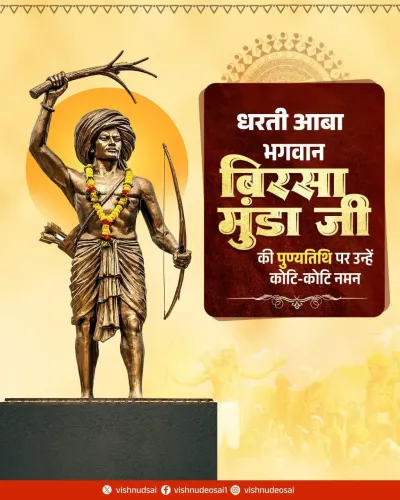
The sammagam marks the 150th birth anniversary year of tribal freedom fighter Birsa Munda , known as Dharti Aaba .
CM Sai highlighted Adi Parva , Bastar Pandum , and Bastar Olympic as platforms elevating tribal talent to national recognition.
The Chhattisgarh government has run annual tribal festivals since the state's formation in 2000 to preserve indigenous languages and culture.
Central and state governments have aligned on tribal cultural outreach under the Janjatiya Gaurav Diwas framework instituted in 2021 .
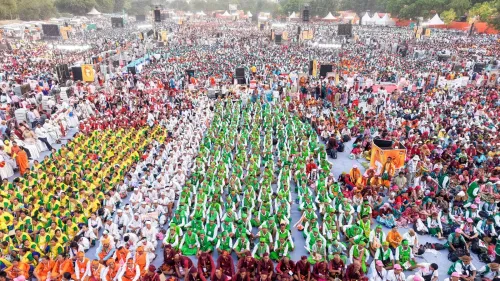
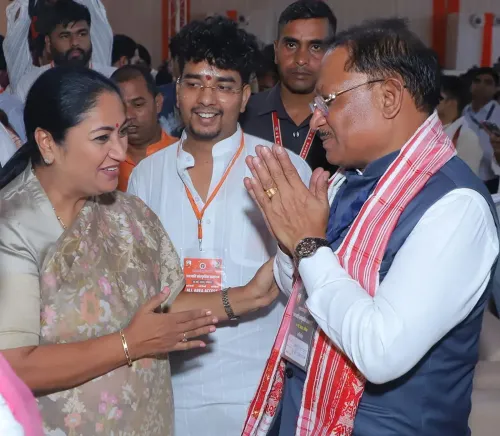
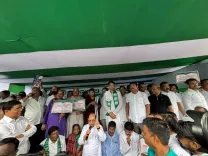
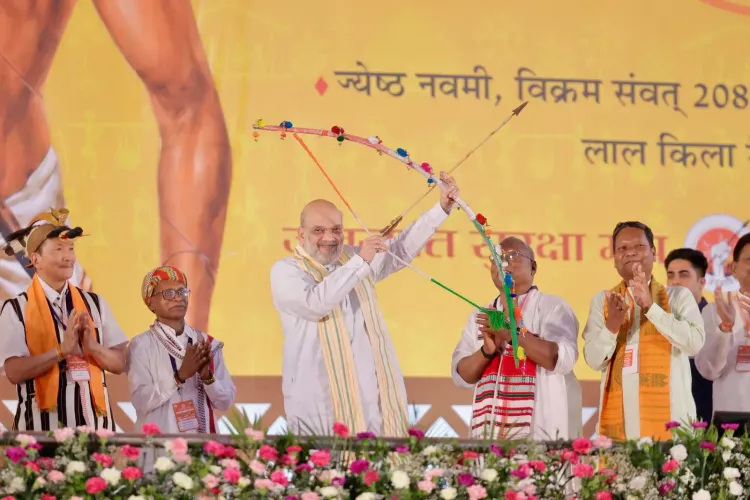
Chhattisgarh Chief Minister Vishnu Deo Sai attended the National Tribal Cultural Sammagam at the historic Red Fort grounds in New Delhi on 24 May 2026, joining tribal representatives, folk artists, and youth gathered from across the country. The event was held under the chief-guest presence of Union Home and Cooperation Minister Amit Shah.
Context
The sammagam is being observed as part of the 150th birth anniversary year of Birsa Munda, the 19th-century tribal freedom fighter from the Munda community who led a historic revolt against British rule and is reverentially addressed as Dharti Aaba (Father of the Earth). CM Sai described the gathering as a 'grand festival of tribal culture, tradition, and self-respect,' and noted that the event offered him a heartfelt opportunity to connect with delegates representing tribal societies from every part of India.
In his post, Sai wrote: 'Aaj vishwa ko prakrti ke saath vikas ka jo marg chahiye, wah janjatiya jeevanshaili mein spasht roop se dikhayi deta hai' — ('The path of development in harmony with nature that the world seeks today is clearly visible in the tribal way of life.')
Policy Backdrop
The Central Government instituted Janjatiya Gaurav Diwas on 15 November 2021 to honour Birsa Munda's legacy and mainstream recognition of tribal contributions to India's freedom movement. National-level cultural gatherings of this kind have since become a regular feature of that commemorative framework, combining cultural showcase with developmental messaging centred on indigenous sustainability.
Chhattisgarh, one of India's states with the largest Scheduled Tribe populations, has run annual festivals such as Adi Parva and Bastar Pandum since its formation in 2000 to preserve and promote indigenous languages, folk arts, and traditions. CM Sai specifically cited these alongside Bastar Olympic as platforms giving tribal talent and pride a national profile.
Stakeholders and Impact
The event brought together tribal community representatives, folk artists, and youth from multiple states, providing a national stage for cultural exchange. For Chhattisgarh's substantial tribal population — concentrated heavily in the Bastar region — the state government's sustained investment in festivals such as Bastar Pandum represents both cultural preservation and economic opportunity for local artisans and performers.
CM Sai's attendance alongside a senior Union Cabinet minister signals continued federal-state alignment on tribal outreach, reinforcing the BJP's political messaging in tribal-majority constituencies ahead of future electoral cycles.
What's Next
Observers will watch whether the 2026-27 state budget in Chhattisgarh includes fresh allocations for tribal-language education or expands the Bastar-style cultural-sports model to a broader national platform. The 150th birth anniversary year of Birsa Munda offers a policy window for both symbolic and substantive legislative steps on tribal cultural rights at the central and state levels.
Point of View
Not merely a ceremonial gesture. The framing of indigenous lifestyles as a model for 'nature-centric development' is a deliberate ideological positioning that links cultural pride to the broader sustainability discourse. For Chhattisgarh specifically, events like Bastar Pandum and Bastar Olympic serve a dual purpose: cultural preservation and political consolidation in a state where Scheduled Tribe voters form a decisive electoral bloc. The 150th birth anniversary year of Birsa Munda gives both the Centre and BJP-ruled states a high-visibility policy window that will likely shape tribal welfare announcements through the remainder of 2026.
NationPress
23 Sept 2026
Frequently Asked Questions
What is the National Tribal Cultural Sammagam held at Red Fort in 2026?
The National Tribal Cultural Sammagam is a central government-organised cultural gathering at the Red Fort grounds in New Delhi, held during the 150th birth anniversary year of tribal freedom fighter Birsa Munda to celebrate tribal heritage, folk arts, and indigenous traditions from across India.
Who is Birsa Munda and why is his 150th birth anniversary significant?
Birsa Munda was a 19th-century tribal leader and freedom fighter from the Munda community who led a major revolt against British colonial rule; he is revered as 'Dharti Aaba' or Father of the Earth. His 150th birth anniversary is being observed nationally, and the Government of India instituted Janjatiya Gaurav Diwas on 15 November 2021 in his honour.
What tribal festivals does the Chhattisgarh government organise?
The Chhattisgarh government organises annual festivals including Adi Parva, Bastar Pandum, and Bastar Olympic to preserve and promote tribal languages, folk arts, and cultural traditions, particularly in the Bastar region which has a large indigenous population.
What is Janjatiya Gaurav Diwas?
Janjatiya Gaurav Diwas is a national day observed on 15 November, instituted by the Government of India in 2021 to commemorate Birsa Munda's birth anniversary and recognise the contributions of tribal communities to India's freedom struggle and cultural heritage.
Why did CM Vishnu Deo Sai attend the tribal sammagam in Delhi?
CM Vishnu Deo Sai attended the National Tribal Cultural Sammagam at Red Fort to represent Chhattisgarh, connect with tribal delegates and folk artists from across India, and reaffirm his state government's commitment to preserving tribal culture — highlighting events like Adi Parva, Bastar Pandum, and Bastar Olympic as national platforms for tribal talent.