CM Sai meets Delhi CM Rekha Gupta at Red Fort tribal fest
Synopsis
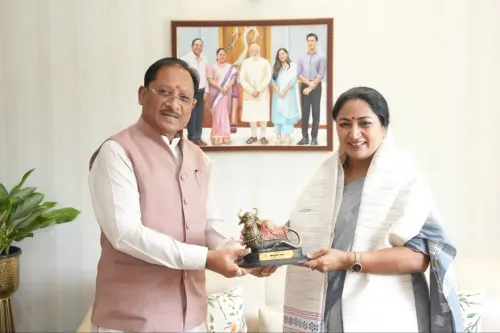
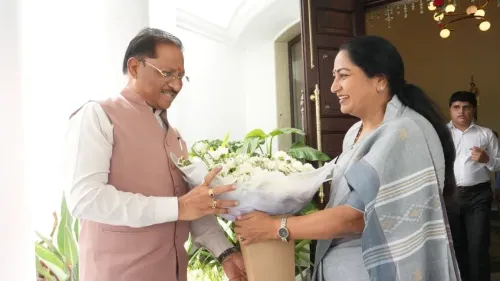
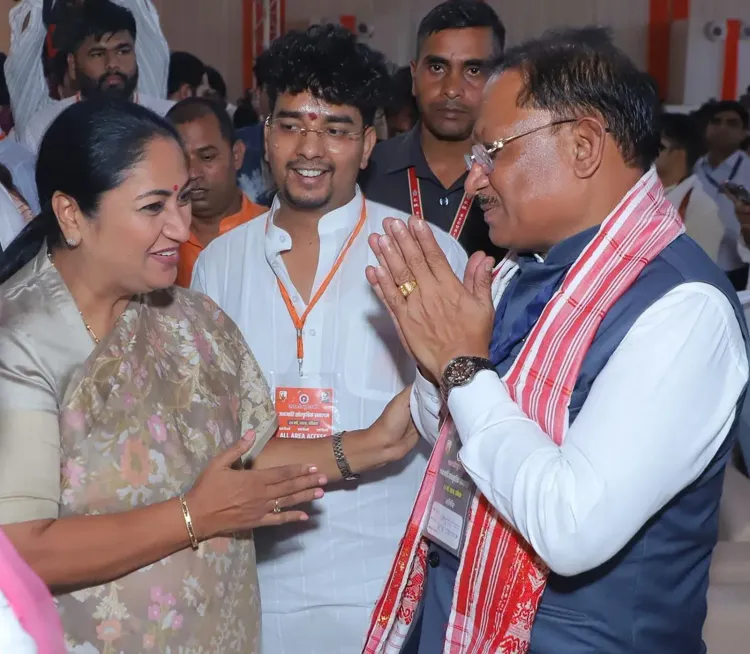
Chhattisgarh Chief Minister Vishnu Deo Sai held a courtesy meeting with Delhi Chief Minister Rekha Gupta on the sidelines of the Rashtriya Janjati Sanskritik Samagam at Red Fort, New Delhi, on 25 May 2026, underlining the BJP-ruled states' active engagement with national tribal cultural programmes.
Key Takeaways
Chhattisgarh CM Vishnu Deo Sai attended the Rashtriya Janjati Sanskritik Samagam at Red Fort, New Delhi on 25 May 2026 .
He held a courtesy meeting with Delhi CM Rekha Gupta on the sidelines of the event.
The congregation is a national-level platform to showcase and preserve the heritage of Scheduled Tribe communities across India.
Chhattisgarh is among India's states with the highest tribal population and has been a key participant in central tribal welfare initiatives.
The Ministry of Tribal Affairs (est.
1999 ) and schemes like the Vanbandhu Kalyan Yojana (launched 2014 ) form the policy backbone for such engagements.
Such sideline meetings between chief ministers typically address cross-cutting issues including forest rights and inter-state scheme coordination.
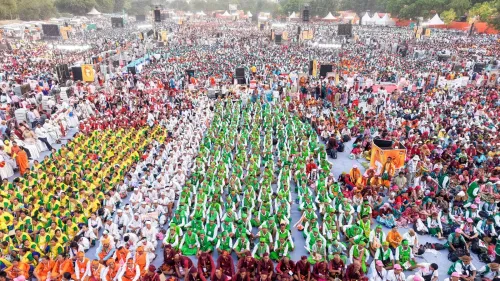
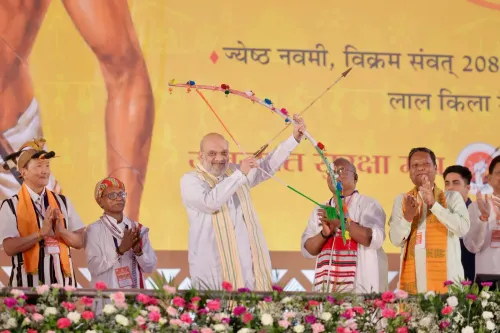
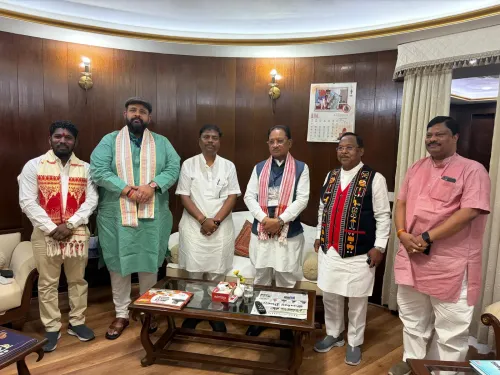
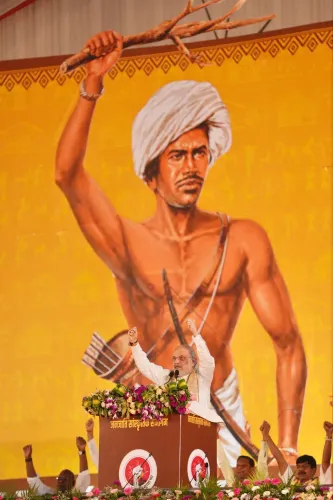
Chhattisgarh Chief Minister Vishnu Deo Sai met Delhi Chief Minister Rekha Gupta on the sidelines of the 'Rashtriya Janjati Sanskritik Samagam' (National Tribal Cultural Congregation) held at the historic Red Fort grounds in New Delhi on Sunday, 25 May 2026. The courtesy meeting took place during Sai's visit to the national capital for the large-scale cultural event.
Context
Chief Minister Sai posted on X that during his 'Nai Dilli pravas' (New Delhi visit), he held a courtesy meeting — 'shishṭachar bheṭ' — with Delhi Chief Minister Rekha Gupta at the Lal Qila maidan (Red Fort grounds), where the national tribal cultural congregation was being organised. The event brought together tribal communities, cultural troupes, and government representatives from across the country at one of India's most iconic heritage venues.
The Red Fort, a 17th-century Mughal monument in the heart of Delhi, is regularly used as a backdrop for national-level cultural gatherings and public programmes, lending symbolic weight to events that seek to project India's civilisational diversity.
Policy Backdrop
National tribal cultural events of this scale are part of a broader government effort to document, preserve, and promote the heritage of Scheduled Tribe communities across India. The Ministry of Tribal Affairs, established in October 1999, coordinates welfare, development, and cultural-preservation programmes for these communities at the central level.
The Vanbandhu Kalyan Yojana, launched in 2014, has served as a flagship framework for holistic development of tribal areas, with Chhattisgarh — one of India's states with the highest proportion of tribal population — being a key participant. Chief Minister Sai, who took office in December 2023, has maintained an active focus on tribal welfare as a central pillar of his administration.
Stakeholders and Impact
Events like the Rashtriya Janjati Sanskritik Samagam serve a dual purpose: they provide a national platform for tribal artists and communities to showcase their living heritage, and they create an informal diplomatic space for state leaders to engage with each other and with central government officials. For Chhattisgarh, which has a significant tribal belt spanning regions such as Bastar, such visibility at the national level carries both cultural and political significance.
The meeting between CM Sai and CM Gupta on the sidelines reflects a pattern common to such gatherings, where chief ministers use the occasion to hold bilateral conversations on cross-cutting issues including forest rights, development-scheme implementation, and inter-state coordination on tribal affairs.
What's Next
The outcomes of the Rashtriya Janjati Sanskritik Samagam — including any joint declarations or scheme announcements — are expected to shape the direction of tribal cultural policy in the coming months. Future editions of the national tribal festival and any follow-up coordination between Chhattisgarh and the central government on welfare-scheme implementation will be closely watched by tribal rights groups and state administrations alike.
Point of View
Framing tribal culture as central to the national identity narrative. Courtesy meetings on such sidelines are rarely purely ceremonial; they often lay groundwork for inter-state or state-centre coordination on contentious issues like forest-rights implementation and development-fund allocation. The pattern of BJP chief ministers co-appearing at tribal cultural events reflects a coordinated party strategy of cultural outreach alongside policy delivery.
NationPress
26 Sept 2026
Frequently Asked Questions
What is the Rashtriya Janjati Sanskritik Samagam?
The Rashtriya Janjati Sanskritik Samagam is a national tribal cultural congregation that brings together Scheduled Tribe communities, cultural troupes, and government representatives from across India to showcase and preserve tribal heritage. The 2026 edition was held at the Red Fort grounds in New Delhi.
Why did Chhattisgarh CM Vishnu Deo Sai visit Delhi on 25 May 2026?
CM Vishnu Deo Sai visited New Delhi to attend the Rashtriya Janjati Sanskritik Samagam at the Red Fort grounds, where he also held a courtesy meeting with Delhi Chief Minister Rekha Gupta.
Who is Vishnu Deo Sai?
Vishnu Deo Sai is the Chief Minister of Chhattisgarh, a BJP leader who assumed office in December 2023. He is a former Union minister with a strong focus on the welfare and development of tribal communities in the state.
What is the Vanbandhu Kalyan Yojana?
The Vanbandhu Kalyan Yojana is a central government scheme launched in 2014 aimed at ensuring holistic development of tribal areas across India. Chhattisgarh, with its large tribal population, has been one of the key states implementing the programme.
What role does the Ministry of Tribal Affairs play in such events?
The Ministry of Tribal Affairs, established in October 1999, coordinates welfare, development, and cultural-preservation programmes for Scheduled Tribes at the national level. It typically plays a key organisational and funding role in national tribal cultural events like the Rashtriya Janjati Sanskritik Samagam.