CM Sai Meets Chhattisgarh Delegation in Delhi Ahead of Tribal Cultural Summit
Synopsis
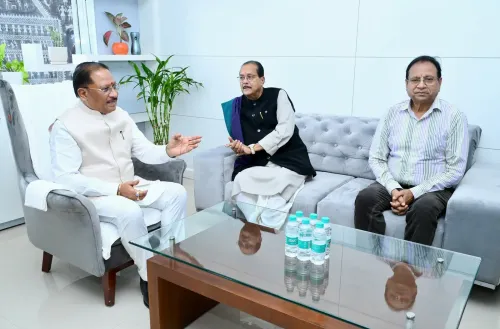
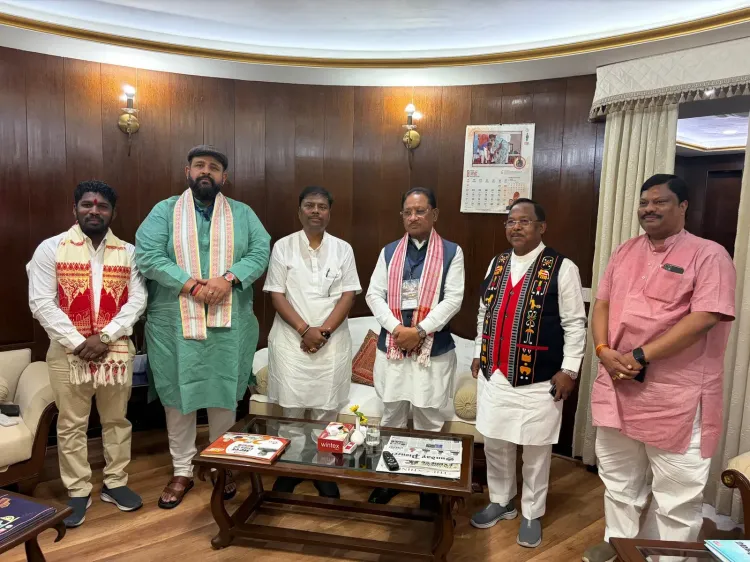
Chhattisgarh CM Vishnu Deo Sai held a meeting at Chhattisgarh Sadan in New Delhi with cabinet ministers Ramvichar Netam and Kedar Kashyap, tribal folk artists, and BJP vice-president Prabal Pratap Singh Judeo ahead of the Rashtriya Janjati Sanskritik Samagam, discussing preservation of tribal folk traditions.
Key Takeaways
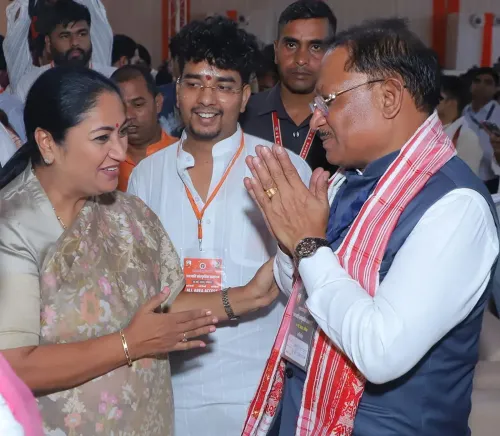
Chief Minister Vishnu Deo Sai met the Chhattisgarh delegation at Chhattisgarh Sadan, New Delhi on 25 May 2026 .
Cabinet ministers Ramvichar Netam and Kedar Kashyap led the delegation to Delhi for the Rashtriya Janjati Sanskritik Samagam .
Prabal Pratap Singh Judeo , BJP Chhattisgarh vice-president and convenor of the Ghar Wapsi Abhiyan , was also part of the meeting.
Discussions centred on conservation and promotion of tribal folk traditions, culture, and art.
Tribal communities constitute roughly 30 percent of Chhattisgarh's population, making cultural outreach a key governance priority for the state BJP government.
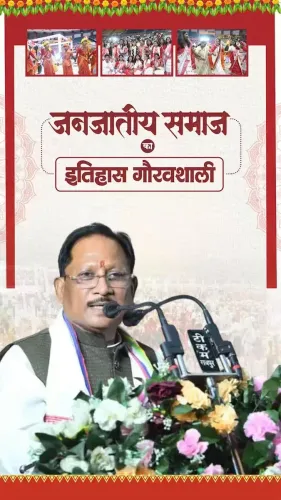
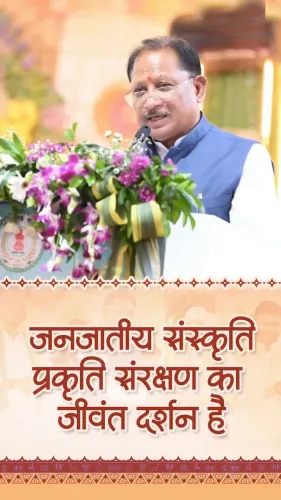
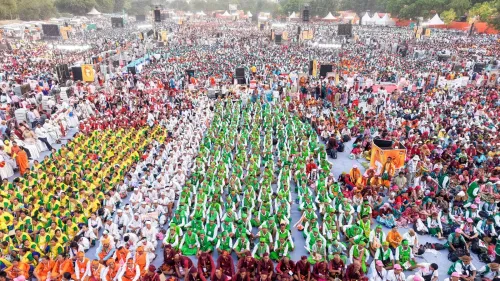
Chhattisgarh Chief Minister Vishnu Deo Sai met a delegation of state cabinet ministers, tribal folk artists, and party functionaries at Chhattisgarh Sadan, New Delhi, on Sunday, 25 May 2026, ahead of the Rashtriya Janjati Sanskritik Samagam (National Tribal Cultural Congregation). The delegation had arrived in the capital to participate in the event, which focuses on the promotion and preservation of indigenous art forms and traditions.
Context
The meeting brought together Cabinet Minister Ramvichar Netam, who handles portfolios linked to Scheduled Tribes in Chhattisgarh, and Cabinet Minister Kedar Kashyap, both of whom accompanied tribal folk artists to Delhi. Also present was BJP Chhattisgarh Vice-President Prabal Pratap Singh Judeo, who leads the Ghar Wapsi Abhiyan, a campaign active in tribal areas of the state. Chief Minister Sai described the gathering as a warm, informal meeting (aatmiya bhent) at the state guest house.
In his post, Sai noted that discussions were held on 'the conservation and promotion of the rich folk traditions, culture, and art of tribal society.' The meeting signals active coordination between the state government and party leadership ahead of a nationally significant cultural event.
Policy Backdrop
The Ministry of Tribal Affairs has organised national-level tribal festivals — including the Aadi Mahotsav series — since the 2010s to showcase indigenous cultures from across India. These events serve both as cultural platforms and as forums for policy dialogue on tribal welfare. Chhattisgarh, where tribal communities constitute roughly 30 percent of the population, has been a prominent participant in such initiatives.
Since the BJP government took charge in Chhattisgarh in December 2023 under Chief Minister Sai — himself a member of the Oraon tribal community — the state administration has emphasised cultural outreach in Scheduled Areas alongside welfare delivery. The appointment of a tribal leader as chief minister was itself framed by the party as a statement of intent on tribal representation.
Stakeholders and Impact
Tribal folk artists travelling from Chhattisgarh to Delhi for the congregation stand to gain national visibility for regional art forms such as Karma, Panthi, and Raut Nacha dance traditions. For communities in tribal-dominated districts, central and state platforms of this kind can translate into funding for cultural institutions and artist welfare schemes. The presence of Prabal Pratap Singh Judeo and his Ghar Wapsi Abhiyan alongside cultural delegates underlines the dual organisational and cultural dimension of the BJP's outreach in these regions.
Chhattisgarh Sadan in Delhi frequently serves as a coordination hub for such delegations, allowing ministers and party functionaries to align messaging before national events.
What's Next
The Rashtriya Janjati Sanskritik Samagam is expected to draw tribal delegations from multiple states, providing the Chhattisgarh government an opportunity to project the state's indigenous cultural heritage on a national stage. Observers will watch for any follow-up policy announcements — including potential cultural preservation schemes or enhanced artist support funds — in the next session of the Chhattisgarh Legislative Assembly. How the state leverages this national platform could shape its broader tribal outreach strategy ahead of future electoral cycles.
Point of View
Such engagements carry symbolic weight that reinforces the party's narrative of tribal representation at the highest level of governance. The inclusion of Prabal Pratap Singh Judeo, who leads the Ghar Wapsi Abhiyan, alongside cultural delegates suggests the state is deliberately blending organisational and cultural messaging in Scheduled Areas. This pattern of coordinated Delhi meetings ahead of national tribal events reflects a broader BJP strategy of using cultural platforms to consolidate its base in the roughly 30 percent of Chhattisgarh's population that identifies as tribal.
NationPress
21 Oct 2026
Frequently Asked Questions
What is the Rashtriya Janjati Sanskritik Samagam?
The Rashtriya Janjati Sanskritik Samagam is a national tribal cultural congregation organised to showcase and promote the indigenous art, folk traditions, and culture of tribal communities from across India.
Why did Chhattisgarh ministers go to Delhi in May 2026?
Cabinet ministers Ramvichar Netam and Kedar Kashyap, along with tribal folk artists, travelled to Delhi to participate in the Rashtriya Janjati Sanskritik Samagam and met Chief Minister Vishnu Deo Sai at Chhattisgarh Sadan.
Who is Prabal Pratap Singh Judeo?
Prabal Pratap Singh Judeo is the BJP Chhattisgarh state vice-president and the convenor of the Ghar Wapsi Abhiyan, a campaign active in tribal areas of the state.
What is the Ghar Wapsi Abhiyan?
The Ghar Wapsi Abhiyan is a BJP-linked campaign focused on tribal areas of Chhattisgarh. Its stated aim involves cultural and community outreach in Scheduled Areas.
What tribal art forms is Chhattisgarh known for?
Chhattisgarh is known for tribal folk art and dance traditions including Karma, Panthi, and Raut Nacha, which are performed by indigenous communities and have been featured at national cultural festivals.