Deepfake threat to 2027 polls: Agencies flag UP, Punjab, Manipur
Synopsis
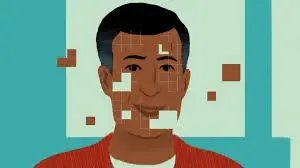
India's intelligence agencies aren't just watching deepfakes — they're bracing for an industrial-scale assault on seven state elections in 2027. Officials warn adversaries plan to generate up to 150 AI-fabricated political videos a day, with UP, Punjab, and Manipur flagged as the highest-risk states, and WhatsApp's closed ecosystem identified as the hardest battleground to police.
Key Takeaways
Intelligence agencies have flagged UP , Punjab , and Manipur as highest-risk states for deepfake-driven election interference ahead of 2027 polls.
Seven states — including Goa , Gujarat , Himachal Pradesh , and Uttarakhand — are scheduled to vote between February and December 2027 .
Officials warn deepfake output could surge to 100–150 videos per day during the election season, deliberately aimed at overwhelming fact-checkers.
During the 2024 Lok Sabha elections , an estimated 75 per cent of voters were reportedly exposed to synthetic media.
WhatsApp forwards and voice-cloning broadcasts targeting rural voters are identified as the most difficult threat vector to counter.
SEBI has separately flagged the AI-powered 'Boss Scam' targeting corporate finance teams, highlighting deepfake risks beyond electoral politics.
Intelligence agencies have issued urgent warnings that AI-generated deepfakes could significantly disrupt the 2027 state assembly elections, with Uttar Pradesh, Punjab, and Manipur identified as the highest-risk states. The alerts, flagged to the Union Government in New Delhi, come as seven states — Goa, Gujarat, Punjab, Himachal Pradesh, Uttarakhand, Uttar Pradesh, and Manipur — prepare to go to the polls between February and December 2027.
Scale of the Threat
According to officials, the concern is not merely about the existence of deepfake content but the industrial scale at which it is expected to be deployed. Under normal circumstances, anti-national elements reportedly push five to ten deepfake videos of political leaders per day. As elections approach, intelligence assessments suggest that figure could balloon to 100–150 deepfake videos per day, explicitly designed to overwhelm fact-checkers and stress verification systems.
An Intelligence Bureau official warned that the political atmosphere is already charged, citing ongoing anti-Special Intensive Revision (SIR) protests. 'AI-generated videos of top politicians will be the most preferred choice of these elements. Elements, not just from across the border, but those within the country would look to create such deepfake videos and circulate them widely on social media,' the official said.
Rural India: The Primary Battleground
Officials say adversaries are adopting differentiated strategies for urban and rural audiences. In urban areas, political deepfakes are expected to circulate on platforms such as X and YouTube, where legal takedown requests remain an option. In rural areas, however, the delivery mechanism is far harder to intercept — content is pushed directly to mobile phones via WhatsApp forwards and large-scale voice-cloning broadcast campaigns.
Officials estimate that at least 30 per cent of urban users can identify and debunk deepfake content, whereas rural populations remain far more vulnerable. 'By the time the video is fact-checked and debunked, the damage may already have been done,' an official noted. In many instances, officials added, audiences do not engage with corrections at all, allowing false narratives to persist unchallenged.
Why UP, Punjab, and Manipur Are Under Watch
Agencies are keeping a particularly close watch on these three states due to their political volatility and strategic significance. In Uttar Pradesh, the deepfake push is expected to be concentrated in the rural belt, where digital literacy is low and WhatsApp penetration is high. In Punjab and Manipur, officials warn the risk is compounded by existing socio-political tensions, making both states prime targets for actors seeking to inflame public sentiment through fabricated content.
Past Data and Precedents
The warning builds on documented trends from recent election cycles. A 2024 survey found that 22 per cent of Indians encountered political deepfakes, while a separate study found that 50 per cent of respondents watched deepfake videos within a 12-month window. During the 2024 Lok Sabha elections, an estimated 75 per cent of voters were exposed to synthetic media — a figure officials now treat as a baseline, not a ceiling.
The Securities and Exchange Board of India (SEBI) has separately warned of the 'Boss Scam', in which fraudsters use AI voice and video impersonation of senior executives to deceive finance teams into authorising fund transfers, underscoring that deepfake risk extends well beyond electoral politics.
What Agencies and Platforms Are Doing
The Union Government has issued multiple advisories on AI-generated content, and agencies are coordinating with social media platforms to accelerate content-removal workflows. Officials acknowledge, however, that mainstream platforms such as YouTube, X, and Instagram are more tractable than end-to-end encrypted channels. The lack of a centralised intercept mechanism for WhatsApp-forwarded content remains the single largest operational gap ahead of the 2027 poll season.
With less than 18 months to the first scheduled assembly elections, officials say the window for pre-emptive action is narrowing fast.
Point of View
But deepfake generators can now operate on a minute-by-minute loop at scale. Officials putting the figure at 100–150 videos per day are, in effect, admitting the verification infrastructure will be outgunned. What is missing from the current advisory architecture is any credible pre-emptive framework — there is no equivalent of an electoral roll for synthetic content, no pre-authorised rapid-removal mechanism, and no legally mandated AI watermarking requirement. India has had two election cycles of warning; the 2027 polls will reveal whether those warnings translated into systems or just press statements.
NationPress
21 Oct 2026
Frequently Asked Questions
Which states are most at risk from deepfake interference in 2027 elections?
Intelligence agencies have specifically flagged Uttar Pradesh , Punjab , and Manipur as the highest-risk states, citing political volatility and the vulnerability of rural voter populations to AI-generated disinformation spread via WhatsApp.
How many deepfake videos could be generated during the 2027 election season?
According to officials, adversaries could generate 100–150 deepfake videos per day of political leaders during the election period, up from the current estimate of 5–10 videos daily. The surge is deliberately designed to overwhelm fact-checking systems.
Why is rural India more vulnerable to political deepfakes than urban areas?
Officials estimate at least 30 per cent of urban Indians can identify and flag deepfake content, whereas rural users have significantly lower awareness. Deepfake content in rural areas is typically delivered via WhatsApp forwards and voice-cloning broadcasts — channels that are far harder to monitor and moderate than open platforms like YouTube or X.
How widespread was synthetic media exposure during the 2024 Lok Sabha elections?
An estimated 75 per cent of voters were reportedly exposed to synthetic media during the 2024 Lok Sabha elections . A separate 2024 survey found that 22 per cent of Indians encountered political deepfakes, and 50 per cent of respondents watched deepfake videos within a 12-month period.
What is the 'Boss Scam' flagged by SEBI, and how is it related to deepfakes?
The 'Boss Scam' involves fraudsters using AI-generated voice or video to impersonate chief executives and senior officials, tricking corporate finance teams into transferring funds. SEBI issued a specific advisory against this threat, illustrating that AI-deepfake risk extends well beyond electoral disinformation into financial fraud.