ISI honey-trap network eyes Indian small towns; AI deepfakes add new threat

Synopsis
Pakistan's ISI is dismantling its Faridkot-based honey-trap network and rebuilding it inside India — in smaller towns, away from surveillance heat — while adding AI-generated deepfakes to replace human operatives. With Agniveers now reportedly in the crosshairs and cases surging after Operation Sindoor, Indian counter-intelligence faces a threat that is simultaneously more distributed and harder to trace.
Key Takeaways
Pakistan's ISI is relocating honey-trap espionage modules from Faridkot, Pakistan to smaller towns and villages inside India .
The ISI reportedly allocated ₹3,000 crore between 2015 and 2019 to run honey-trap operations.
AI-generated images and videos of women are now being used to set traps, removing the need for real human operatives.
Newly inducted Agniveers have been flagged by intelligence officials as particularly vulnerable targets.
Honey-trapping cases have risen multi-fold following Operation Sindoor , India's response to the Pahalgam terror attack.
The ISI is reportedly expanding its reach into southern Indian towns , beyond its earlier focus on Madhya Pradesh, Gujarat, and Uttar Pradesh.
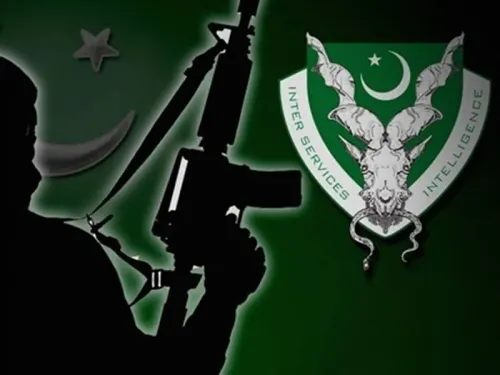
Pakistan's Inter-Services Intelligence (ISI) is actively working to shift its honey-trap espionage network from its traditional base in Faridkot, Pakistan, to smaller towns and villages inside India, according to intelligence officials. The move, combined with the use of Artificial Intelligence (AI)-generated images and videos, is being described as a fresh and complex challenge for Indian security agencies.
From Faridkot to India's Heartland
For years, the ISI's honey-trap operations were run exclusively out of Faridkot in Pakistan, with recruits in states such as Madhya Pradesh, Gujarat, and Uttar Pradesh reporting back to handlers there. According to officials, the ISI now intends to relocate these modules entirely within Indian territory, eliminating the cross-border trail that has historically aided Indian investigators.
The strategy aligns with what officials describe as a broader ISI policy of ensuring that operations targeting India appear home-grown, making it harder to attribute them to Pakistan. Officials say the ISI is now looking to expand into southern Indian towns as well, with a deliberate focus on smaller, lower-profile locations where recruitment is easier and surveillance pressure is lower.
Between 2015 and 2019, the ISI had reportedly allocated a budget of ₹3,000 crore to run this module — a figure that, according to officials, underscores the scale and institutional commitment behind these operations.
AI-Generated Traps: A New Dimension
A significant escalation, officials say, is the ISI's use of AI-generated images and videos of women to set traps and extract sensitive information. Unlike earlier operations that relied on real recruits — reportedly including women specifically appointed to elicit defence-related information — AI-generated personas create a scenario where Indian agencies may not even be dealing with a real individual on the other end.
An Intelligence Bureau official said this development poses a qualitatively different challenge: conventional counter-intelligence methods that focus on identifying and tracking human operatives become far less effective when the 'person' setting the trap does not physically exist. Officials also noted that recent investigations found the ISI has used pornography and nudity to trap individuals and extract sensitive information.
Agniveers in the Crosshairs
Intelligence reports suggest the ISI has specifically set its sights on Agniveers — newly inducted short-tenure soldiers in the Indian armed forces. Officials warn that Agniveers may be particularly vulnerable, citing limited awareness about AI-generated content and the difficulty of distinguishing fabricated media from genuine material.
The ISI's primary interest, officials say, remains gathering intelligence about the Indian armed forces — information that could provide a tactical advantage in conflict scenarios or be used to embarrass the military establishment.
Post-Operation Sindoor Surge
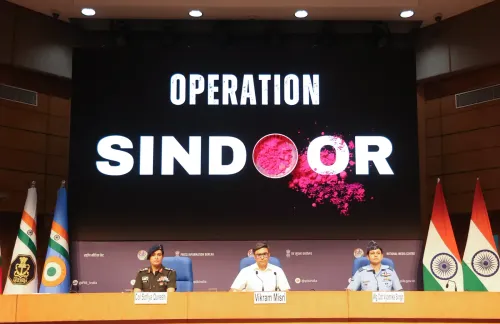
Officials say honey-trapping cases have risen multi-fold following Operation Sindoor, India's military response to the Pahalgam terror attack. The operation, which officials say exposed Pakistan's broader terror infrastructure and called out what they described as its nuclear posturing, appears to have prompted a sharp retaliatory escalation in espionage activity.
'The Pakistanis are hell-bent on getting back and hence these honey-trapping exercises have only gone up ten-fold so that the Indian armed forces could be embarrassed,' an official said.
Indian security agencies are already managing honey-trap cases on a significant scale, with arrests spanning both ordinary citizens and serving officials accused of sharing sensitive information. The convergence of home-grown modules, geographic dispersal into smaller towns, and AI-assisted deception is expected to make the threat considerably harder to contain in the months ahead.
Point of View
Handler-controlled model to a distributed, AI-assisted, home-grown network represents a genuine doctrinal evolution — not merely a tactical adjustment. What makes this particularly difficult is that the two pillars of traditional counter-honey-trap work — identifying the foreign handler and tracing the money trail — both become harder when the operation is indigenised and the 'operative' is a deepfake. The focus on Agniveers is also telling: it suggests the ISI is targeting a demographic that is defence-adjacent but may not yet have received the institutional security briefings that regular long-service personnel do. Indian agencies will need to move beyond reactive arrests and invest in proactive digital literacy programmes within the armed forces, or risk a sustained intelligence haemorrhage that no number of post-facto detentions can reverse.
NationPress
16 Oct 2026
Frequently Asked Questions
What is the ISI honey-trap network targeting India?
The ISI honey-trap network is a Pakistan intelligence operation that uses women — and increasingly AI-generated personas — to befriend Indian citizens and officials, extract sensitive defence and security information, and relay it back to Pakistani handlers. Officials say the network is now being relocated from Faridkot in Pakistan to smaller towns inside India to avoid detection.
Why is the ISI moving honey-trap operations to small Indian towns?
According to intelligence officials, the ISI wants its India-focused operations to appear home-grown so the trail does not lead back to Pakistan. Smaller towns are being targeted because surveillance pressure is lower and it is easier to recruit individuals by offering money.
How is Artificial Intelligence being used in ISI honey-trap operations?
The ISI is reportedly using AI-generated images and videos of women to set traps and elicit sensitive information. This removes the need for a real human operative, making it significantly harder for Indian agencies to identify and track the source of the deception.
Why are Agniveers considered vulnerable to honey-trap operations?
Intelligence officials say Agniveers — newly inducted short-tenure soldiers — may lack sufficient awareness about AI-generated content and could struggle to distinguish fabricated media from genuine material, making them easier targets for digital honey-trap operations.
What is the connection between Operation Sindoor and the rise in honey-trapping cases?
Officials say honey-trapping cases have risen multi-fold following Operation Sindoor, India's military response to the Pahalgam terror attack. The operation reportedly exposed Pakistan's terror infrastructure, prompting a sharp retaliatory escalation in ISI espionage activity targeting the Indian armed forces.