ISI's pan-India influencer network post Op Sindoor: How Pakistan spreads falsehoods
Synopsis
Pakistan's ISI, outgunned militarily after Operation Sindoor, has reportedly pivoted to a pan-India influencer network designed to spread disinformation through 'soft push' content. A West Bengal module linked to this network was allegedly planning to assassinate Chief Minister Suvendu Adhikari — a detail that reveals just how far the operation extends beyond social media.
Key Takeaways
Pakistan's ISI has escalated efforts to build a pan-India influencer network following Operation Sindoor , which targeted terror infrastructure in Pakistan and PoK.
Former influencer Shehzad Bhatti was allegedly used by the ISI to construct multiple terror modules inside India.
The ISI's 'soft push' strategy instructs influencers to amplify existing grievances rather than post overt propaganda, making detection harder.
A West Bengal STF probe uncovered a dual-purpose module aimed at both disinformation and espionage, including alleged plans to assassinate CM Suvendu Adhikari .
Indian intelligence and cyber crime agencies are working to map content-generation patterns before taking enforcement action.
Several such modules have been busted since Operation Sindoor, but officials say the ISI has not curtailed the programme.
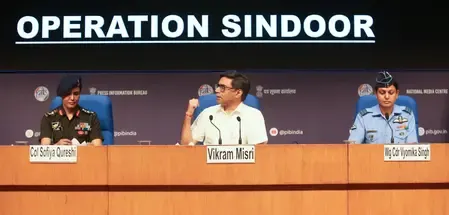
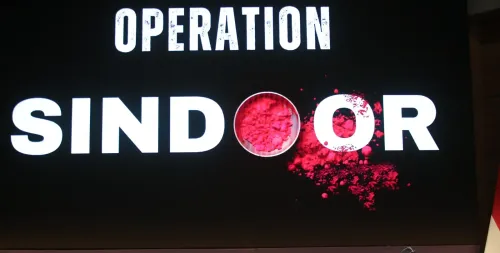
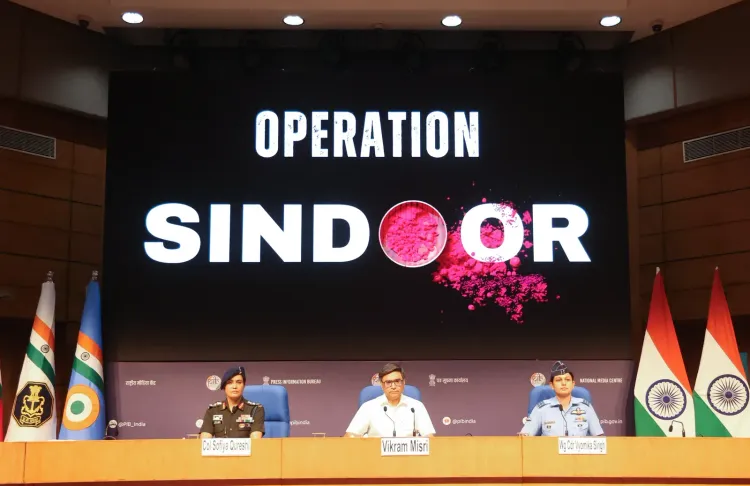
Pakistan's Inter-Services Intelligence (ISI) has significantly ramped up efforts to build a pan-India influencer network aimed at spreading disinformation and shaping narratives against the Indian government and armed forces, according to Intelligence Bureau (IB) officials. The push intensified in the direct aftermath of Operation Sindoor, India's military strikes on terror infrastructure in Pakistan and Pakistan-occupied Kashmir (PoK), which were carried out in response to the Pahalgam terror attack that killed 26 people.
Why ISI Turned to Influencers
Indian intelligence officials say Pakistan has concluded it cannot match India militarily after Operation Sindoor exposed the reach and precision of Indian armed forces. The ISI's pivot to influence operations is, according to officials, a calculated response to that asymmetry.
The groundwork for this strategy was reportedly laid using Shehzad Bhatti, a former influencer who allegedly helped the ISI construct multiple terror modules inside India. According to officials, the operation was considered a success, convincing the ISI that social media influencers offered a more scalable and harder-to-detect method of penetrating Indian society than conventional recruitment.
The Mechanics of the Soft Push
Officials say the ISI has instructed its network to adopt a 'soft push' strategy — producing content that appears to raise legitimate grievances rather than overt anti-state propaganda. This approach, they note, is deliberately designed to evade scrutiny by Indian intelligence and cyber crime agencies.
'The idea is to create as much content as possible and then influence people into believing that everything around them is wrong,' an official said. For ordinary viewers, such videos may appear to address real issues. The underlying objective, however, is to amplify those issues to the point of inciting public distrust, protests, or, in the worst case, violence against the state, officials warned.
Intelligence officials acknowledge that monitoring millions of accounts across social media and video platforms presents a formidable challenge. Agencies must first map the content-generation pattern before they can act, officials noted.
Bengal Module: From Disinformation to Assassination Plot
A concrete example of the network's scope emerged from an ongoing probe by the Special Task Force (STF) in West Bengal. Investigators found that two individuals were building a local influencer module with dual objectives: narrative manipulation and active espionage.
The module was reportedly gathering intelligence on sensitive locations and the movement routes of high-profile individuals, including state ministers. The STF found that the network was particularly focused on West Bengal Chief Minister Suvendu Adhikari — specifically his unguarded routes — with what officials described as an apparent plan to assassinate him.
Officials say several such modules have been dismantled since Operation Sindoor, but stress that the ISI has shown no signs of scaling back its influencer strategy.
The Broader Threat Landscape
Beyond individual modules, intelligence officials frame the ISI influencer network as a long-term information warfare campaign. The dual mandate — recruiting for terror groups while simultaneously seeding disinformation — makes these networks more dangerous than conventional sleeper cells, officials argue.
Indian agencies, including the IB and cyber crime units, are now working to identify patterns in content generation before moving to enforcement. The challenge, officials concede, is the sheer volume: millions of accounts operating across platforms make real-time tracking extremely difficult. How quickly agencies can develop automated detection capabilities may determine the effectiveness of India's counter-response.
Point of View
Target cognition. What is striking here is the operational sophistication: a 'soft push' doctrine that mimics organic civic discourse is far harder to counter than overt propaganda, and Indian agencies' own admission that platform scale makes tracking 'extremely difficult' is a candid concession of asymmetry. The Bengal assassination angle also signals that these networks are not purely informational — they are hybrid operations blending narrative warfare with physical threat. India's counter-response will need to move beyond reactive module-busting toward proactive platform-level detection frameworks, something that requires regulatory will as much as intelligence capability.
NationPress
17 Sept 2026
Frequently Asked Questions
What is the ISI influencer network in India?
It is a Pakistan-backed network of social media influencers inside India, allegedly orchestrated by the ISI to spread disinformation about the Indian government and armed forces, and to recruit individuals into terror groups. Indian intelligence officials say the network was significantly expanded after Operation Sindoor.
What is Operation Sindoor and why did it trigger this network?
Operation Sindoor was an Indian military operation targeting terror infrastructure in Pakistan and Pakistan-occupied Kashmir, carried out in response to the Pahalgam terror attack in which 26 people were killed. According to IB officials, the operation exposed Pakistan's military limitations, prompting the ISI to pivot toward influence and disinformation operations inside India.
Who is Shehzad Bhatti and what is his alleged role?
Shehzad Bhatti is a former influencer who was allegedly used by the ISI to build multiple terror modules inside India. His reported success convinced the ISI that social media influencers were an effective and harder-to-detect tool for both recruitment and narrative manipulation.
What did the West Bengal STF uncover?
The West Bengal Special Task Force found that two individuals were constructing a local influencer module with dual objectives: spreading disinformation and running an espionage network. The STF also found that the module was allegedly gathering intelligence on Chief Minister Suvendu Adhikari's unguarded routes, reportedly with the intent to assassinate him.
How are Indian agencies responding to the ISI influencer threat?
Intelligence Bureau and cyber crime officials are working to identify patterns in content generation before taking enforcement action. Officials have acknowledged that the sheer volume of accounts across social media and video platforms makes real-time tracking extremely difficult, and several modules have been busted since Operation Sindoor.