RSS flags UGC Equity Regulations 2026 as 'unbalanced', urges fair framework
Synopsis
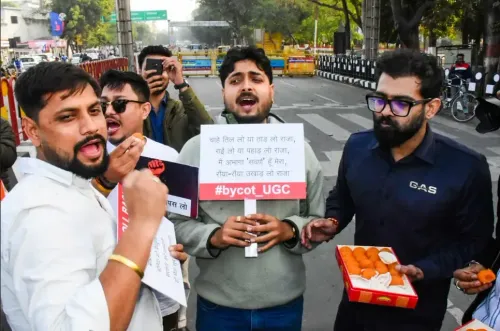
The RSS has publicly flagged the UGC's new Equity Regulations, 2026 as 'unbalanced' — a pointed signal to the Centre ahead of Supreme Court proceedings that have already stayed the rules. With the regulations rooted in the Rohith Vemula and Payal Tadvi cases, the dispute pits anti-discrimination imperatives against RSS concerns about social harmony and stakeholder fairness.
Key Takeaways
The RSS on 1 November 2026 called the UGC Equity Regulations, 2026 'unbalanced' and urged the Centre for a fair, inclusive framework.
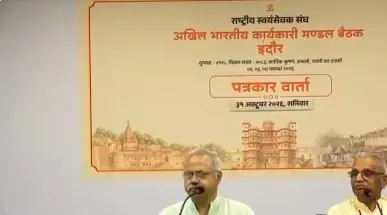
RSS Akhil Bharatiya Prachar Pramukh Sunil Ambekar said the Union government must ensure all stakeholder concerns are considered and maintain that position before the court.
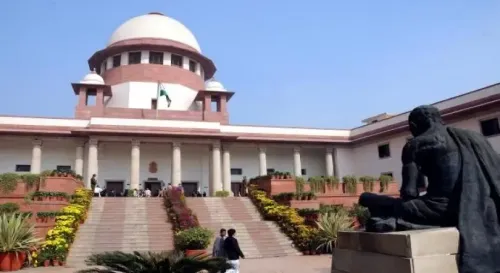
The Supreme Court has put the regulations on hold; the matter is currently sub-judice.
The UGC Equity Regulations were notified on 13 January 2026 , aimed at addressing caste-based discrimination in higher education institutions.
The regulations stem from a 2019 PIL filed by the mothers of Rohith Vemula and Payal Tadvi , who died by suicide after reportedly facing caste-based discrimination.
RSS stated its objections had already been conveyed to authorities, and both the Union government and UGC had taken note.
The Rashtriya Swayamsevak Sangh (RSS) on Sunday, 1 November 2026, described the University Grants Commission (UGC) (Promotion of Equity in Higher Education Institutions) Regulations, 2026 as 'unbalanced' and called on the Centre to ensure that any future decision on the rules is fair, balanced, and inclusive. The organisation stated that its concerns had already been conveyed to the authorities, and that both the Union government and the UGC had taken note of the objections.
RSS Position and Key Demand
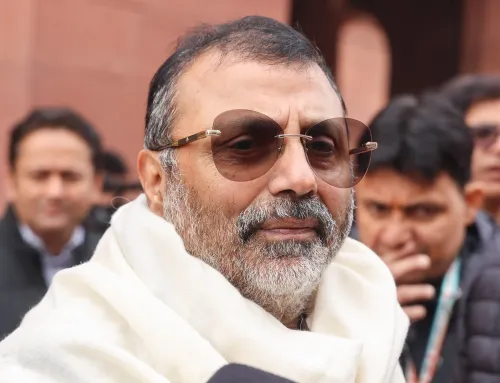
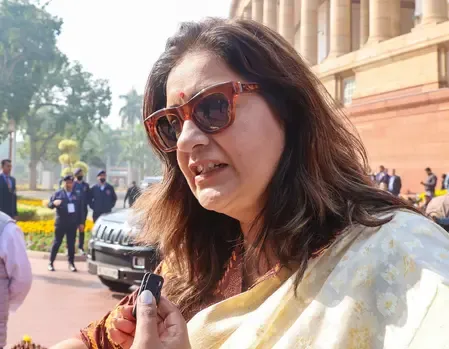
RSS Akhil Bharatiya Prachar Pramukh Sunil Ambekar said the Sangh believed that any decision taken going forward must strike a balance, and that the Union government must ensure the concerns of all stakeholders are duly considered. He added that the same position should be consistently pursued before the court.
Ambekar also cautioned against allowing the controversy surrounding a single government circular to damage social relations, stressing the larger responsibility of preserving unity within society. 'If society remains strong and united, solutions to such problems would also emerge,' he said.
Supreme Court Stay and Legal Status
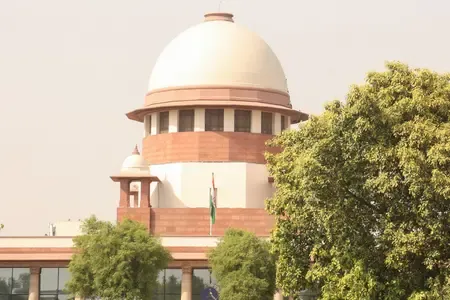
The Supreme Court has since put the UGC Equity Regulations, 2026 on hold, and the matter is currently sub-judice. The stay means the regulations — notified on 13 January 2026 — cannot be enforced pending further judicial scrutiny. The RSS's statement was shared through Friends of RSS, described as an independent social media account of RSS swayamsevaks on X.
Background: How the Regulations Came About
The process leading to the regulations traces back to a public interest litigation filed in the Supreme Court in 2019 by Radhika Vemula and Abeda Salim Tadvi — the mothers of Rohith Vemula and Payal Tadvi, both of whom died by suicide after reportedly facing caste-based discrimination at their respective universities.
In early 2025, the Supreme Court directed the Union government to put in place a 'strong and robust mechanism' to deal effectively with such incidents, while allowing stakeholders to submit suggestions as the UGC prepared the draft rules. The regulations were subsequently notified in January 2026.
What the Regulations Seek to Address — and Where the Objections Lie
The UGC Equity Regulations were introduced to address caste-based discrimination in higher education institutions. However, they have faced objections over the way they define discrimination and the categories of students covered under their provisions. The RSS, while not opposing the goal of addressing discrimination, has argued that the framework as drafted is unbalanced and could disturb social harmony.
What Happens Next
With the Supreme Court's stay in place, the matter will be argued before the bench and all stakeholder positions — including those of the RSS, the UGC, and the Union government — are expected to be placed on record. The RSS has indicated it expects the government to pursue a balanced approach consistently before the court, suggesting the organisation may seek to formally intervene or submit its views in the judicial process.
Point of View
And the RSS is signalling it expects that window to be used. What the statement glosses over is the regulations' origin: they were mandated by the Supreme Court itself after documented cases of caste-based harassment led to student deaths. Framing the issue primarily as a threat to 'social harmony' risks minimising that accountability imperative. The real tension is between a court-directed anti-discrimination mechanism and an RSS-aligned concern that the framework as drafted over-reaches — and how the Centre navigates that tension before the bench will reveal whose concerns it prioritises.
NationPress
2 Nov 2026
Frequently Asked Questions
What are the UGC Equity Regulations, 2026?
The UGC (Promotion of Equity in Higher Education Institutions) Regulations, 2026 are rules notified by the University Grants Commission on 13 January 2026 to address caste-based discrimination in higher education institutions. They were drafted following a Supreme Court directive in early 2025, which itself arose from a 2019 PIL filed by the mothers of Rohith Vemula and Payal Tadvi.
Why has the RSS objected to the UGC Equity Regulations?
The RSS has described the regulations as 'unbalanced', with objections centred on how the framework defines discrimination and the categories of students it covers. RSS Akhil Bharatiya Prachar Pramukh Sunil Ambekar said the rules could disturb social harmony and called for a framework that is fair and inclusive of all stakeholder concerns.
What is the current legal status of the UGC Equity Regulations?
The Supreme Court has put the UGC Equity Regulations, 2026 on hold, and the matter is currently sub-judice. This means the regulations cannot be enforced while the court examines the challenges to them.
What does the RSS want the Centre to do?
The RSS has urged the Union government to ensure that any future decision on the regulations is fair, balanced, and inclusive of all stakeholder concerns. It has also asked the government to maintain this balanced position consistently before the Supreme Court.
How did the Rohith Vemula and Payal Tadvi cases lead to these regulations?
Radhika Vemula and Abeda Salim Tadvi, the mothers of Rohith Vemula and Payal Tadvi — students who died by suicide after reportedly facing caste-based discrimination at their universities — filed a PIL in the Supreme Court in 2019. The court in early 2025 directed the government to establish a robust mechanism to handle such incidents, leading the UGC to draft and notify the Equity Regulations in January 2026.