Will the Supreme Court Address Concerns Over UGC's New Equity Regulations?

Synopsis
In a significant development, the Supreme Court has agreed to hear a petition challenging the UGC's new equity regulations. The plea raises crucial issues regarding discrimination against the general category and the lack of grievance redressal mechanisms. This case could have far-reaching implications for the future of equity in higher education.
Key Takeaways
Supreme Court to hear plea against UGC's equity regulations.
Concerns raised about discrimination against general category.
Lack of grievance mechanisms for non-reserved categories.
Potential implications for future education policies.
Petition claims violations of constitutional rights.
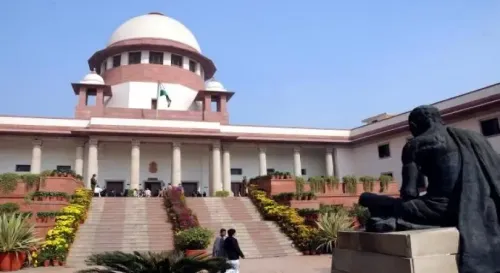
New Delhi, Jan 28 (NationPress) - The Supreme Court has consented to urgently schedule a hearing for a petition that contests the University Grants Commission’s (UGC) Promotion of Equity in Higher Education Institutions Regulations, 2026. During the urgent listing request, Chief Justice of India (CJI) Surya Kant reassured the counsel for the petitioner that the case would be addressed once the petition's defects are rectified.
The lawyer raised concerns that the regulations may lead to discrimination against individuals in the general category, highlighting the lack of effective grievance redressal mechanisms for such individuals.
In reply, CJI Kant acknowledged the court's awareness of the ongoing issues.
“We are aware of the situation. Please ensure the necessary corrections are made. We will schedule the hearing,” stated the CJI.
This petition questions the UGC’s Equity Regulations, claiming that the framework institutionalizes discrimination by failing to provide grievance redressal mechanisms for individuals not belonging to Scheduled Castes, Scheduled Tribes, or Other Backward Classes.
It argues that these regulations contradict the principles of equality and fair access to remedies within higher education institutions.
The petition also asserts that the regulation limits the definition of “caste-based discrimination” to members of these reserved categories only.
This definition, it claims, grants legal recognition of victimhood exclusively to certain groups while excluding those from general or upper castes from protective measures, irrespective of their discrimination experiences.
The petition further calls for the establishment of Equal Opportunity Centres, Equity Helplines, inquiry mechanisms, and Ombudsperson proceedings under the regulations to be accessible in a non-discriminatory and caste-neutral manner, pending a review or amendment of Regulation 3(c).
It contends that denying access to grievance redressal mechanisms based on caste identity constitutes unacceptable state discrimination and infringes upon Articles 14, 15(1), and 21 of the Constitution.
Point of View
It’s imperative to highlight that this case touches on critical issues of fairness and equality within our education system. While promoting equity is essential, it should not come at the cost of discriminating against any group. The Supreme Court's involvement signifies the importance of addressing these concerns to ensure that all students, regardless of their background, have access to fair opportunities in higher education.
NationPress
19 Sept 2026
Frequently Asked Questions
What are the UGC's new equity regulations?
The UGC's new equity regulations aim to promote fairness within higher education institutions but have faced criticism for potentially discriminating against individuals not part of reserved categories.
Why is the Supreme Court involved?
The Supreme Court is involved because a petition has been filed challenging the regulations, claiming they institutionalize discrimination and violate constitutional rights.
What is the main concern regarding these regulations?
The primary concern is that the regulations may discriminate against individuals in the general category and lack effective mechanisms for addressing grievances.
What are the implications of this case?
The implications of this case could affect the future of equity in higher education, shaping policies that ensure fair access for all students.
How does this relate to constitutional rights?
The petition argues that the regulations violate Articles 14, 15(1), and 21 of the Constitution, which guarantee equality and protection against discrimination.