Is There a Plea in SC Against New UGC Equity Regulations That 'Institutionalise Discrimination'?
Synopsis
A significant legal challenge has emerged as a writ petition is filed in the Supreme Court against the UGC's 2026 regulations. The petition claims these regulations institutionalize discrimination, particularly against individuals from non-SC/ST/OBC categories, raising crucial questions about equity and grievance mechanisms in higher education.
Key Takeaways
Writ petition filed against UGC's new regulations.
Claims regulations institutionalize discrimination.
Petitioner seeks to challenge exclusionary provisions.
Concerns raised about equity in higher education.
Potential impact on free academic discourse highlighted.
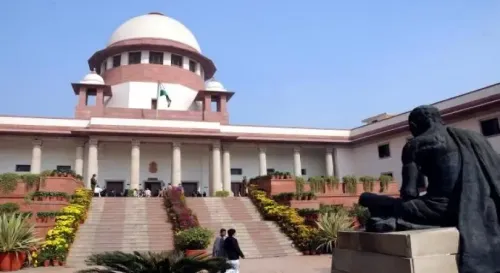
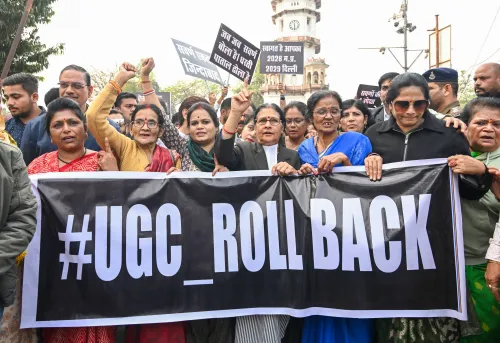
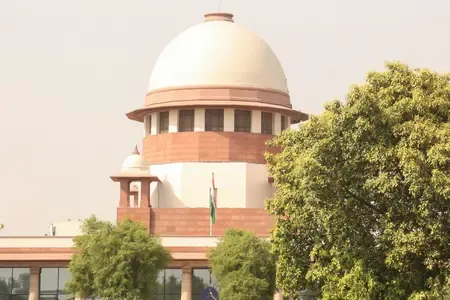
New Delhi, Jan 27 (NationPress) A writ petition has been lodged with the Supreme Court contesting the University Grants Commission (Promotion of Equity in Higher Education Institutions) Regulations, 2026, claiming that it institutionalises discrimination by excluding grievance redressal mechanisms for individuals from non-SC/ST/OBC categories.
The petitioner, advocate Vineet Jindal, is seeking a suitable writ, order, or direction to prohibit the authorities from enforcing Regulation 3(c) “in its current exclusionary form.” He argues that this regulation limits the understanding of “caste-based discrimination” solely to members of Scheduled Castes, Scheduled Tribes, and Other Backward Classes.
The petition states that such a definition “provides legal recognition of victimhood exclusively to certain reserved categories,” effectively excluding individuals from general or upper castes from protective measures, irrespective of the nature or severity of discrimination they may face.
The petition further calls for ensuring that Equal Opportunity Centres, Equity Helplines, inquiry mechanisms, and Ombudsperson proceedings under the 2026 Regulations are established in a “non-discriminatory and caste-neutral manner,” pending a re-evaluation or amendment of Regulation 3(c).
According to the petitioner, the lack of access to grievance redressal mechanisms based on caste identity constitutes impermissible State discrimination and breaches Articles 14, 15(1), and 21 of the Constitution.
“The contested provision institutionalises exclusion from the outset, establishes a hierarchy of victimhood, and introduces a constitutionally impermissible bias into a regulatory structure that claims to be neutral and inclusive,” the plea argues.
It challenges the fundamental assumption of the regulation that caste-based discrimination can only occur in one direction, noting that this presumption “legally precludes the possibility that individuals from general or upper castes might also experience caste-based hostility, abuse, intimidation, or institutional bias.”
The petition contends that the UGC (Promotion of Equity in Higher Education Institutions) Regulations undermine their own stated goal under Regulation 2, which seeks to eliminate discrimination across multiple fronts, including caste, “especially against” certain disadvantaged groups, but not exclusively limited to them.
The plea asserts that by confining caste-based discrimination to specific categories, the regulations unjustly validate 'reverse discrimination' while failing to foster the ‘full equity and inclusion’ that the National Education Policy, 2020 intends.
Furthermore, the plea highlights a detrimental effect on free academic discourse, arguing that without neutral protections, allegations of caste discrimination could be weaponized, leaving the genuine grievances of others unaddressed, resulting in fear, reputational damage, and self-censorship among both students and educators. Ultimately, the plea requests that Regulation 3(c) of the 2026 Regulations be declared unconstitutional.
Point of View
I must emphasize the importance of equitable treatment in educational regulations. This petition raises vital questions about inclusivity and the definition of discrimination. It is essential to foster a system that protects all individuals, regardless of caste, ensuring that justice prevails in our educational institutions.
NationPress
28 Sept 2026
Frequently Asked Questions
What does the petition against UGC regulations claim?
The petition claims that the UGC regulations institutionalize discrimination by denying grievance redressal mechanisms to individuals from non-SC/ST/OBC categories.
Who filed the writ petition?
The writ petition was filed by advocate Vineet Jindal.
What does Regulation 3(c) entail?
Regulation 3(c) is alleged to limit the understanding of caste-based discrimination solely to certain reserved categories, excluding others.
What constitutional articles does the petition cite?
The petition cites Articles 14, 15(1), and 21 of the Constitution, arguing that the denial of grievance mechanisms constitutes state discrimination.
What is the broader impact of this petition?
The petition highlights concerns regarding equity in higher education and the potential chilling effect on free academic discourse.