Will the Supreme Court Address Petitions Against UGC's New Regulations Today?
Synopsis
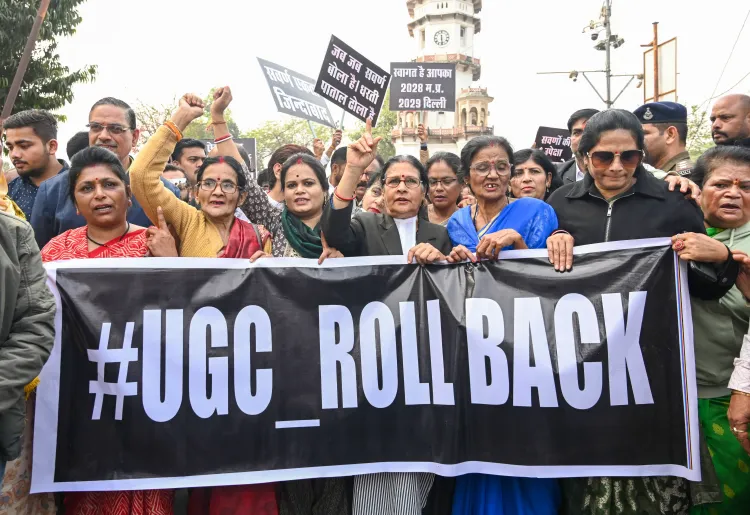
The Supreme Court's hearing today on petitions against the UGC's Equity Regulations could reshape access to justice in higher education. With concerns over discrimination and lack of grievance mechanisms for the general category, this case underscores the delicate balance between equity and equality in India's educational landscape.
Key Takeaways
The Supreme Court is hearing petitions that challenge the UGC's new regulations.
The case raises concerns about potential discrimination against the general category.
Effective grievance redressal mechanisms are crucial for ensuring fairness in education.
The outcome may set a precedent for future educational policies.
It highlights the balance between equity and equality in higher education.
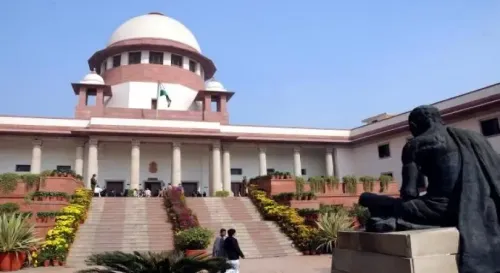
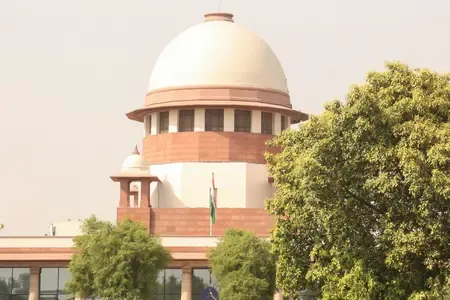
New Delhi, Jan 29 (NationPress) The Supreme Court is set to deliberate on Thursday regarding a series of petitions that contest the University Grants Commission (Promotion of Equity in Higher Education Institutions) Regulations, 2026.
According to the cause list available on the apex court's website, a bench headed by Chief Justice of India (CJI) Surya Kant and Justice Joymalya Bagchi will address the case later in the day.
The CJI had previously agreed on Wednesday to hear a plea challenging these regulations after it was urgently mentioned.
He assured the petitioner's counsel that the case would be taken up once the petition's defects were rectified.
"We are aware of the situation. Ensure that the defects are corrected. We will schedule it," stated CJI Surya Kant.
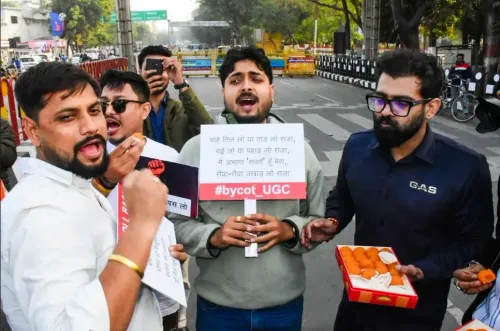
The petitioner's counsel argued that the regulations might lead to discrimination against individuals in the general category and raised alarms over the lack of effective mechanisms for grievance redressal for them.
This plea contests the UGC's Equity Regulations, claiming that the framework institutionalizes discrimination by limiting grievance mechanisms for those not belonging to the SC/ST/OBC categories.
It asserts that the regulations breach the principles of equality and fair access to remedies within higher education institutions.
The petition further claims that the regulation confines the definition of "caste-based discrimination" exclusively to members of the "Scheduled Castes, Scheduled Tribes, and Other Backward Classes".
This definition, it argues, "grants legal recognition of victimhood solely to select reserved categories, completely excluding individuals from general or upper castes, regardless of the nature or severity of discrimination faced by them."
The petition also seeks to ensure that Equal Opportunity Centres, Equity Helplines, inquiry mechanisms, and Ombudsperson proceedings under these regulations are provided in a "non-discriminatory and caste-neutral manner" while awaiting reconsideration or amendment of Regulation 3(c).
It contends that denying access to grievance redressal mechanisms based on caste identity constitutes impermissible state discrimination, violating Articles 14, 15(1), and 21 of the Constitution.
Point of View
I believe this case reflects a critical juncture in India's higher education system. The balance between promoting equity and ensuring equality must be carefully navigated. It is essential for the Supreme Court to address these concerns to foster an inclusive educational environment.
NationPress
3 Oct 2026
Frequently Asked Questions
What are the UGC's new regulations?
The UGC's new regulations aim to promote equity in higher education institutions but have been challenged for potentially discriminating against individuals in the general category.
Why are the petitions being filed?
Petitions have been filed to contest the regulations, claiming they institutionalize discrimination and lack effective grievance redressal mechanisms for those not in reserved categories.
What is the significance of this case?
This case is significant because it could redefine access to justice and equality in higher education, impacting policies across the country.