Will the CJI Surya Kant-led Bench Address UGC Regulations Tomorrow?
Synopsis
In a pivotal move, the Supreme Court will hear petitions against the UGC's new regulations. The outcome could redefine equity in higher education. As the legal landscape shifts, stakeholders await clarity on these contested guidelines.
Key Takeaways
Supreme Court set to hear petitions against UGC regulations.
Concerns raised over potential discrimination in higher education.
Call for amendment of grievance redressal mechanisms.
Legal implications could redefine equity in education .
Hearing scheduled for January 29 .
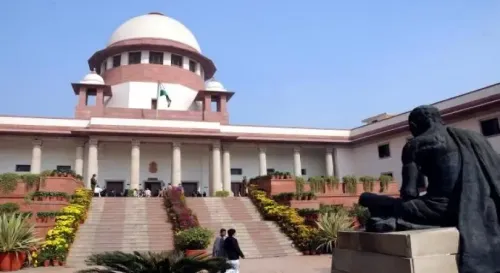
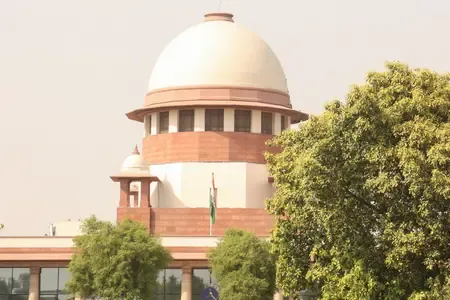
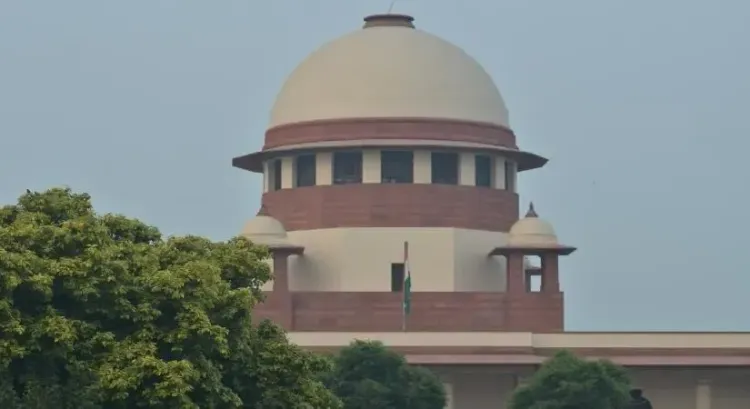
New Delhi, Jan 28 (NationPress) The Supreme Court is poised to deliberate on Thursday regarding a series of petitions contesting the University Grants Commission (Promotion of Equity in Higher Education Institutions) Regulations, 2026.
According to the schedule published on the apex court's website, a bench comprising Chief Justice of India (CJI) Surya Kant and Justice Joymalya Bagchi will address the issue on January 29.
Earlier today, CJI Surya Kant consented to expedite the hearing of a plea that disputes these regulations after an urgent request was made.
The CJI assured the petitioners’ legal representatives that the case would be heard once any deficiencies in the petition were rectified.
"We are aware of the situation. Ensure defects are corrected. We will schedule it," stated the CJI.
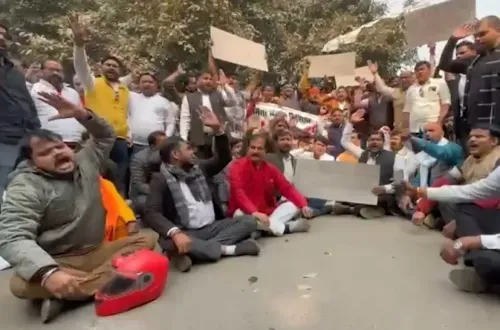
The petitioner’s legal team argued that the regulations may lead to discrimination against individuals in the general category and raised alarms over the absence of effective grievance redressal mechanisms for them.
The petition challenges the UGC’s Equity Regulations, claiming that the framework enshrines discrimination by denying grievance redressal mechanisms to individuals not belonging to SC/ST/OBC categories.
It asserts that the regulations contravene the principles of equality and fair access to remedies in higher education institutions.
According to the petition, the regulation confines the definition of "caste-based discrimination" solely to members of the "Scheduled Castes, Scheduled Tribes and Other Backward Classes".
This definition "legally recognizes victimhood exclusively for certain reserved categories while systematically excluding individuals from general or upper castes from its protective scope, irrespective of the nature, severity, or context of discrimination experienced by them," it argued.
The petition further demands a directive to ensure that Equal Opportunity Centres, Equity Helplines, investigative mechanisms, and Ombudsperson proceedings under the regulations are made accessible in a non-discriminatory and caste-neutral manner, pending the reconsideration or amendment of Regulation 3(c). It contended that the denial of access to grievance redressal mechanisms based on caste identity constitutes impermissible state discrimination, violating Articles 14, 15(1), and 21 of the Constitution.
Point of View
We recognize the significance of the Supreme Court hearing regarding the UGC's regulations. This case highlights critical issues of equity and discrimination in higher education that resonate with many. It is essential to ensure that all voices are heard and that fair access to education is upheld for everyone in our diverse society.
NationPress
14 Sept 2026
Frequently Asked Questions
What are the UGC Regulations being challenged?
The UGC Regulations being contested are the 'Promotion of Equity in Higher Education Institutions' Regulations, 2026, which some argue institutionalize discrimination against individuals not belonging to reserved categories.
What is the main concern regarding these regulations?
The primary concern is that the regulations may lead to discrimination against individuals in the general category and lack effective grievance redressal mechanisms for them.
When will the Supreme Court hear the case?
The Supreme Court is scheduled to hear the case on January 29.
What do petitioners demand from the Supreme Court?
Petitioners are urging the Supreme Court to ensure that grievance redressal mechanisms are available in a non-discriminatory manner and to amend or reconsider the regulations.
Which articles of the Constitution are cited in the petition?
The petition cites Articles 14, 15(1), and 21 of the Constitution, which pertain to equality, non-discrimination, and the right to life and personal liberty.