ISI expands global influencer network for anti-India propaganda after Shahzad Bhatti model
Synopsis
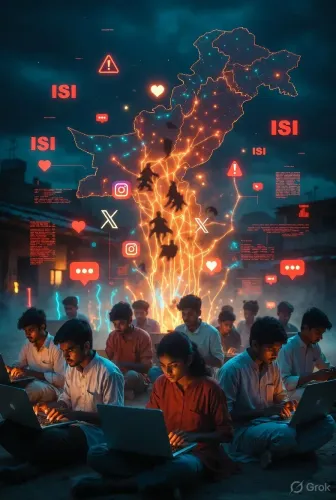
Pakistan's ISI is no longer just running terror networks — it is building a global influencer army. Modelled on the Shahzad Bhatti playbook, the agency is recruiting pro-Pakistan social media figures worldwide, offering money and followers in exchange for coordinated anti-India messaging. With Unit 412 in Karachi at the centre and call centres in Jhelum, Islamabad, and Lahore, this is information warfare at industrial scale.
Key Takeaways
Pakistan's ISI is expanding a global social media influencer network to spread anti-India propaganda and recruit terror operatives, according to Indian intelligence officials.
Shahzad Bhatti , recruited via associate Farooq Khokar , ran channel '333' as a front for ISI operations spanning Jammu and Kashmir , Delhi , and Punjab .
The ISI operates dedicated cells from Jhelum , Islamabad , Lahore , and its primary hub — Unit 412 in Karachi .
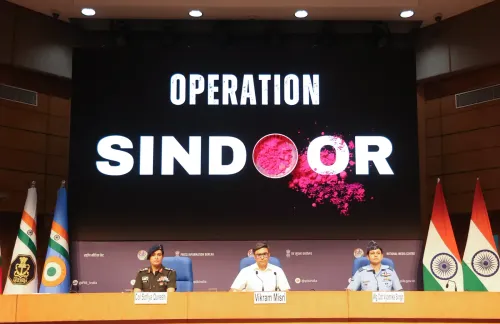
India arrested several ISI-linked influencers, including Jyoti Malhotra , following Operation Sindoor .
Post-Operation Sindoor, the ISI has shifted focus from kinetic attacks to information warfare, targeting the Union government and the Indian armed forces .
Officials warn the influencer network could expand significantly, with recruits being identified globally using a standardised ISI script.
Pakistan's Inter-Services Intelligence (ISI) is actively scaling up a global network of social media influencers to spread anti-India propaganda and recruit vulnerable Indian youth into terror networks, according to Indian intelligence officials. The expansion follows what officials describe as the partial success of the Shahzad Bhatti model — a blueprint the spy agency is now replicating across multiple countries.
The Shahzad Bhatti Blueprint
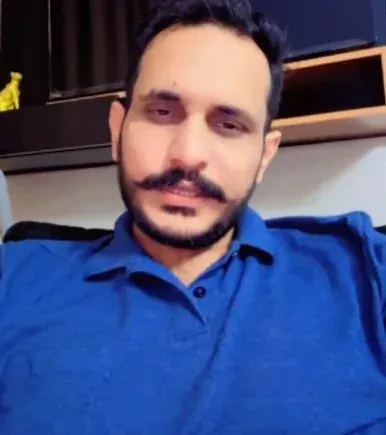
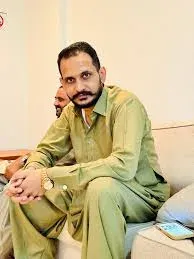
Shahzad Bhatti, a Pakistani national from Punjab province, was recruited into the ISI's influence operations through an associate identified as Farooq Khokar. To the outside world, Bhatti presented himself as a businessman, social commentator, and social worker. He ran an online channel called '333', producing content on India-Pakistan relations and religious topics to build a large following.
According to officials, Bhatti's channels served a dual purpose: spreading anti-India propaganda and facilitating large-scale recruitment for terror groups. He reportedly oversaw ISI operations linked to terror attacks in Jammu and Kashmir, Delhi, and other parts of North India, and also handled recruitment for the Khalistan movement in Punjab. Officials note that Bhatti has a criminal background — including cases of theft and rape — and fled to Dubai in 2015, where he entered the dairy business before being identified and recruited by the ISI for his social media reach.
How the ISI Operates Its Influencer Cells
Indian intelligence officials say the ISI runs a dedicated cell to manage these influencer networks, operating from three locations in Pakistan. A call centre in Jhelum is used both for honey-trapping Indians and for setting up social media influencers with financial incentives. Additional centres function out of Islamabad and Lahore, while the primary hub is located in Karachi, where the ISI operates its Unit 412.
The modus operandi, according to officials, involves scanning social media for profiles that are pro-Pakistan or anti-India in orientation. Once identified, these individuals are approached with offers of money and inflated follower counts. Private chats are used to initiate contact, after which recruitment into the network takes place.
India's Response: Operation Sindoor and the Influencer Crackdown
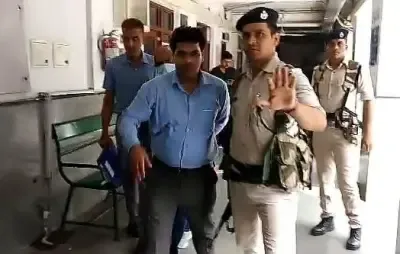
India launched a major drive to identify and neutralise ISI-funded influencers following Operation Sindoor. Among those arrested during this crackdown was Jyoti Malhotra, cited by officials as one of several influencers detained in the sweep. The ISI's India-focused influencer operation is described as having worked briefly before being disrupted.
Officials say that post-Operation Sindoor, the ISI has recalibrated its approach — moving away from high-risk kinetic operations and doubling down on information warfare. The primary targets of the propaganda campaign are reportedly the Union government, its policies, and the Indian armed forces, particularly in light of Operation Sindoor's destruction of terror infrastructure inside Pakistan.
The Global Expansion
With the India-based network partially dismantled, the ISI is now reportedly casting a wider net, recruiting influencers from multiple countries to build reach back into India. Officials warn that the network could grow significantly in the months ahead, as the ISI deploys substantial resources to establish this module at scale. The script provided to new recruits mirrors the one Bhatti followed — presenting a facade of independent commentary while pushing coordinated anti-India messaging.
Indian intelligence agencies have issued warnings about an impending large-scale propaganda offensive that Pakistan intends to mount, with social media as the primary battlefield. Officials stress that identifying vulnerable Indian youth through online platforms remains the ISI's core objective in this operation.
Point of View
Scalable impact than traditional terror logistics — especially after Operation Sindoor exposed and degraded physical infrastructure. What is striking is the industrialisation of the model: dedicated call centres, a standard script, and financial incentives that mirror commercial influencer marketing. India's crackdown post-Sindoor disrupted one node, but a globally distributed network is structurally harder to dismantle. The deeper vulnerability is domestic — as long as there is a supply of financially stressed or ideologically susceptible individuals with social media reach, the ISI's demand will find a match.
NationPress
21 Oct 2026
Frequently Asked Questions
Who is Shahzad Bhatti and what is his role in ISI operations?
Shahzad Bhatti is a Pakistani national from Punjab province who was recruited by the ISI through associate Farooq Khokar. He ran an online channel called '333', ostensibly covering India-Pakistan relations, while allegedly overseeing ISI terror recruitment in Jammu and Kashmir, Delhi, and North India, and facilitating Khalistan movement recruitment in Punjab.
What is ISI Unit 412 and where does it operate from?
ISI Unit 412 is the agency's primary hub for managing social media influencer and propaganda networks, reportedly based in Karachi. Supporting cells operate from Jhelum — which also runs a honey-trapping call centre — as well as Islamabad and Lahore.
What action did India take against ISI-linked influencers?
Following Operation Sindoor, Indian intelligence agencies launched a major drive to identify and arrest ISI-funded influencers. Jyoti Malhotra was among those detained during this crackdown, according to officials.
How does the ISI recruit social media influencers?
According to Indian intelligence officials, the ISI scans social media for pro-Pakistan or anti-India profiles, then approaches targets with offers of money and inflated follower counts. Contact is initiated via private chats, followed by formal recruitment into the network using a standardised script modelled on the Shahzad Bhatti case.
Why has the ISI shifted focus to influencer-based propaganda after Operation Sindoor?
Officials say Operation Sindoor's destruction of major terror infrastructure inside Pakistan has made the ISI unwilling to take large kinetic risks. The agency has consequently prioritised information warfare — spreading false narratives against the Indian government and armed forces — as a lower-risk, high-reach alternative.