Is Pakistan's ISI Hiring Global Voices for a Propaganda Campaign Against India?

Synopsis
New Delhi, Oct 28 (NationPress) - After significant setbacks, Pakistan's ISI is enlisting international influencers to reshape its narrative against India. This new strategy aims to tarnish India's image while diverting attention from internal issues.
Key Takeaways
Pakistan's ISI is engaging global influencers to alter perceptions.
Influencers create content misrepresenting India.
Jammu and Kashmir is frequently misidentified in these narratives.
The strategy reflects Pakistan's internal struggles and need for a positive image.
The Pakistan High Commission is reportedly involved in facilitating these operations.
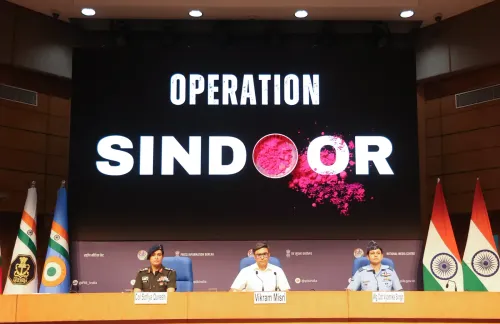
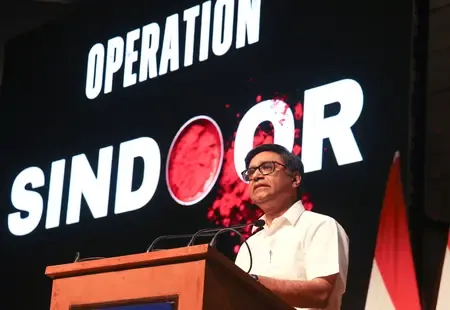
New Delhi, Oct 28 (NationPress) Following a significant defeat after Operation Sindoor, Pakistan is endeavoring to alter its image in the eyes of the world, particularly against India.
The ISI is actively recruiting global influencers to disseminate Pakistan's perspective while simultaneously tarnishing India's reputation. A specialized unit within the ISI is dedicated to these operations, working to identify and engage influencers who can produce videos aligning with Islamabad's narrative.
In the wake of the Pahalgam attack, Indian authorities apprehended several influencers, including Jyoti Malhotra. Recent revelations indicate that the ISI is now enlisting foreign individuals to negatively portray India.
These influencers, believed to be funded by the ISI, enter India on tourist visas to create content that casts the nation in a bad light. They often choose budget accommodations, suggesting that such places are representative of all that is available in the country.
Moreover, they intentionally consume food typically reserved for the underprivileged, conveying through their videos that this reflects the reality of every Indian citizen.
Additionally, there are videos that misrepresent the situation in Jammu and Kashmir. During their visits, these influencers refer to the region as Indian occupied Kashmir, mimicking Pakistan's terminology. India has consistently condemned Pakistan's stance, asserting that the Kashmir issue is an internal matter and that Jammu and Kashmir is an integral part of India.
Intelligence agencies investigating the activities of these vloggers have expressed concern over the ISI's ability to execute such tactics. Initially, the ISI employed numerous Indian influencers, inviting them to Pakistan with lucrative offers. Their role was to promote a positive image of Pakistan, which the ISI seeks to project globally.
In recent times, Pakistan has faced ridicule internationally due to its inadequate infrastructure.
The situation is exacerbated by a struggling economy and ongoing scrutiny from the Financial Action Task Force (FATF). The fallout from Operation Sindoor and the significant embarrassment faced by the military at the Afghan border, Khyber Pakhtunkhwa (KP), and Balochistan have further damaged the country’s image.
Efforts to change this narrative have included the capture of Indian influencers. The strategy of recruiting foreign influencers to produce negative content about India represents a new tactic aimed at fostering a negative perception.
Internally, many Pakistanis are beginning to question their government regarding the lack of development and the failing economy. The content generated by these foreign influencers is widely shared and consumed within Pakistan.
The intention is to inform the Pakistani populace that all is not well in neighboring countries as well. The influencer strategy employed by the ISI signifies a shift in approach. Although these influencers may not directly gather intelligence from India, their primary objective is to shape perceptions about Pakistan.
Following the arrest of Jyoti Malhotra and others, it became evident that the Pakistan High Commission is involved in this operation.
Aside from identifying these influencers, the commission facilitates their visa applications to ensure their travel to Pakistan is smooth. Authorities are investigating whether some of these foreign influencers have been in contact with the high commission or have received directives from Islamabad.
Point of View
It is crucial to present an unbiased perspective on the ongoing narratives between India and Pakistan. While the ISI's actions reflect its desperation to shift perceptions, it is essential to focus on fostering dialogue that promotes understanding rather than conflict. The situation demands a careful examination of the facts, ensuring that we remain committed to truth and transparency.
NationPress
5 Oct 2026
Frequently Asked Questions
What is the role of the ISI in this context?
The ISI is attempting to recruit global influencers to spread a narrative that favors Pakistan while undermining India's image.
How are influencers being utilized?
Influencers are being used to create content that portrays India negatively, often misrepresenting facts and situations.
What are the implications of this strategy?
This strategy aims to shift public perception in Pakistan and abroad, potentially diverting attention from internal issues.
How has India responded to these actions?
India has condemned the ISI's tactics and reiterated that the Kashmir issue is an internal matter.
What is the significance of the influencers' content?
The content generated by these influencers can shape public opinion and impact diplomatic relations.