India-US trade deal 98-99% done, says senior US official ahead of Rubio visit
Synopsis
A senior US official has declared the India-US trade deal '98-99% done', with only one or two per cent of negotiations left — even as a legal snag around the now-struck-down IEEPA added months of delay. With Secretary of State Rubio headed to Mumbai and Jamnagar, the choice of venue over New Delhi sends its own message about where this relationship is heading.
Key Takeaways
A senior US official said on 16 October 2026 that the India-US trade deal is 98-99% finalised , with only one or two per cent of negotiations remaining.
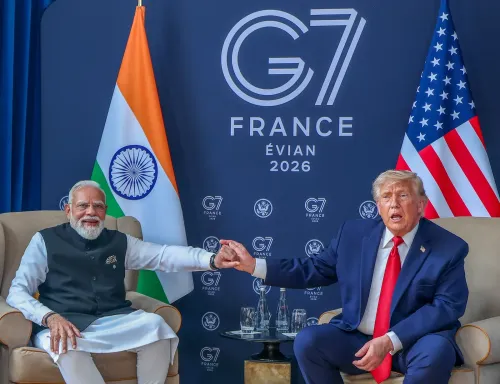
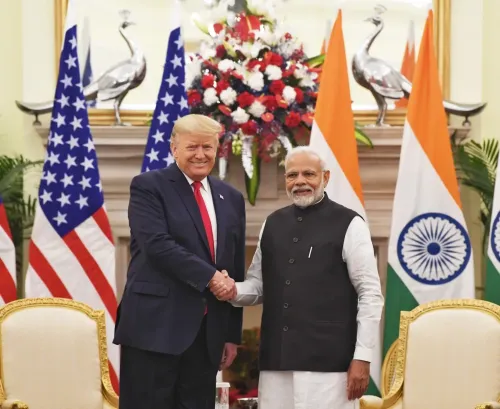
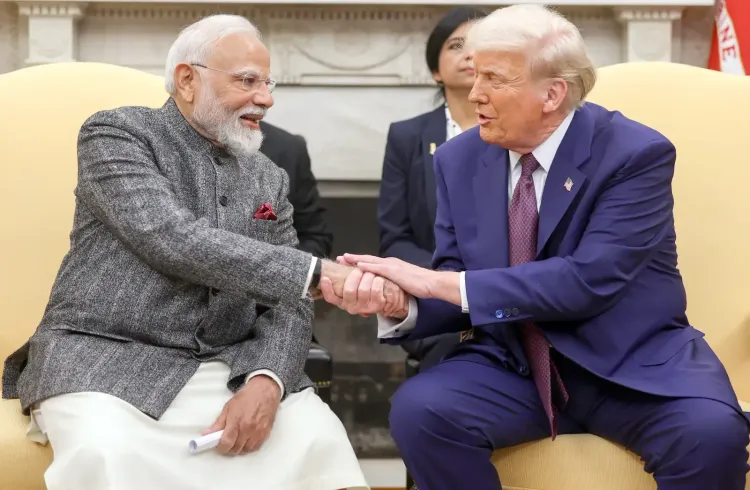
High-level discussions have involved US Trade Representative Jamieson Greer , Commerce Minister Piyush Goyal , and direct talks between President Trump and PM Modi .
An earlier framework tied to the IEEPA had to be reworked after the law was struck down, causing months of additional delay.
Secretary of State Marco Rubio will visit Mumbai and Jamnagar — not New Delhi — signalling a focus on commercial diplomacy.
Washington is seeking deeper cooperation in IT , pharmaceuticals , and defence ; further US Cabinet visits are expected in 2027 .
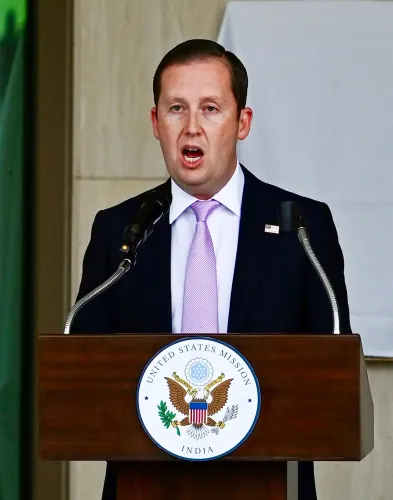
A long-awaited trade agreement between India and the United States is on the verge of finalisation, with a senior US official stating on Friday, 16 October 2026 that only one or two per cent of negotiations remain unresolved. The remarks, made at a State Department briefing in Washington, signal that months of high-level diplomatic engagement between the world's largest democracies are nearing a conclusive outcome.
What the US Official Said
'The biggest items have been settled. I mean …., it's pretty much done. We have that one, one or two per cent left,' the official told reporters during the briefing. The official confirmed that both governments remain in constant contact, noting: 'We are actively engaged every single week.'
The official cited recent high-level diplomatic touchpoints as evidence of strong momentum — including engagements involving US Trade Representative Jamieson Greer, India's Commerce Minister Piyush Goyal, and direct conversations between President Donald Trump and Prime Minister Narendra Modi.
The IEEPA Complication That Delayed the Deal
Despite the optimism, the official acknowledged a significant legal setback that had added months to the timeline. An earlier framework for the agreement had been tied to the International Emergency Economic Powers Act (IEEPA), but that legal underpinning had to be reconsidered after the law was struck down. Negotiators were forced to revisit key elements of the proposed deal, contributing to the extended talks. The official expressed confidence, however, that the remaining differences could be bridged in the near term.
Rubio's India Visit: Mumbai and Jamnagar Over New Delhi
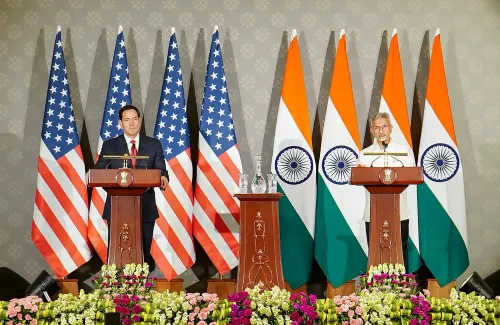
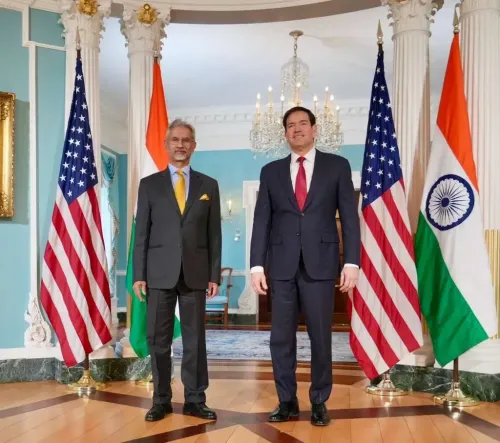
Secretary of State Marco Rubio is scheduled to visit India imminently, stopping first in Uzbekistan for meetings with Central Asian leaders before proceeding to Mumbai and Jamnagar. In Mumbai, Rubio is set to hold discussions with Indian government counterparts and senior executives from some of the country's largest companies.
Notably, the decision to hold meetings in Mumbai rather than New Delhi was described as a deliberate signal of the administration's growing emphasis on commercial diplomacy and Indian investment in the United States — a departure from the traditional diplomatic circuit that typically centres on the capital.
Sectors in Focus and What Comes Next
Washington is seeking closer bilateral engagement across information technology, pharmaceuticals, defence cooperation, and several other sectors, according to the official. Further visits by senior American Cabinet officials are also anticipated next year as both governments look to deepen bilateral ties.
This comes amid a broader recalibration of India-US relations under the Trump administration, with trade long identified as a friction point — particularly around tariffs, market access, and India's data localisation norms. Resolving the final sliver of disagreement could unlock substantial economic benefits for both sides and set the tone for the next phase of bilateral engagement.
Point of View
And the IEEPA legal unravelling shows how fragile the scaffolding can be. Rubio's deliberate detour to Mumbai over New Delhi is the more telling signal: Washington is betting on Indian business elites as the engine of bilateral relations, not just government-to-government channels. India, for its part, must weigh tariff concessions against its pharmaceutical and IT export interests — sectors where any asymmetric deal could draw domestic political fire. The real story isn't the percentage; it's whether the final framework survives parliamentary and congressional scrutiny once the text is public.
NationPress
16 Oct 2026
Frequently Asked Questions
How close is the India-US trade deal to being finalised?
A senior US official said on 16 October 2026 that the India-US trade deal is 98-99% complete, with only one or two per cent of negotiations remaining. The official described the biggest issues as already settled and said both governments are in contact every week.
What caused delays in the India-US trade deal?
An earlier framework for the agreement was tied to the International Emergency Economic Powers Act (IEEPA), but that legal basis had to be reconsidered after the law was struck down. This forced negotiators to revisit key elements of the deal, adding several months to the timeline.
Why is Secretary Rubio visiting Mumbai instead of New Delhi?
The US official said the decision reflects the Trump administration's growing emphasis on commercial diplomacy and Indian investment in the United States. Rubio is scheduled to meet both government counterparts and senior business executives in Mumbai, and will also travel to Jamnagar.
Which sectors are the focus of the India-US trade negotiations?
Washington is seeking closer engagement with India in information technology, pharmaceuticals, defence cooperation, and other sectors, according to the US official. These are areas of significant bilateral commercial interest for both countries.
Who are the key officials driving the India-US trade talks?
The negotiations have involved US Trade Representative Jamieson Greer and India's Commerce Minister Piyush Goyal at the ministerial level, with direct conversations also reported between President Donald Trump and Prime Minister Narendra Modi.