India-US ties stronger than ever: Trump team eyes Presidential visit, trade deal
Synopsis
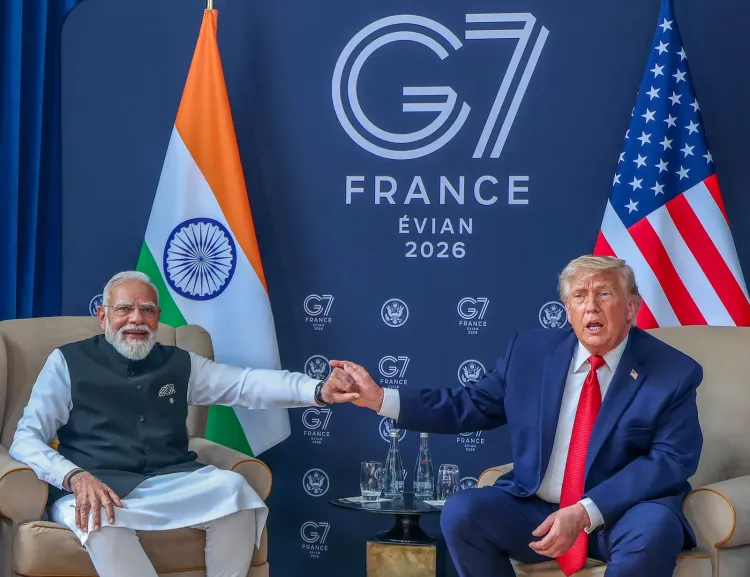
The Trump administration has offered its clearest signal yet on India: a Presidential visit to New Delhi in early 2026 is being actively planned, a bilateral trade deal is reportedly in its final language phase, and senior officials describe the Modi-Trump personal bond as a structural anchor of the relationship. If the trade deal closes in the coming weeks, it would be one of the most significant economic agreements between the two countries in decades.
Key Takeaways
US Secretary of State Marco Rubio confirmed Washington is working toward a Trump Presidential visit to India in early 2026 .
Rubio said a bilateral trade deal is in its final stage: 'We're on the last inches of getting it done.' US Ambassador Sergio Gor said negotiators expect the agreement to be concluded 'over the next few weeks, over the next few months.' The US Embassy in India reportedly facilitated more than $20 billion in new US-bound investments within a year.
Both officials described the Modi-Trump personal relationship as 'one of the big anchors' of India-US ties.
Cooperation spans trade, defence, critical minerals, energy, technology, and the Quad framework.
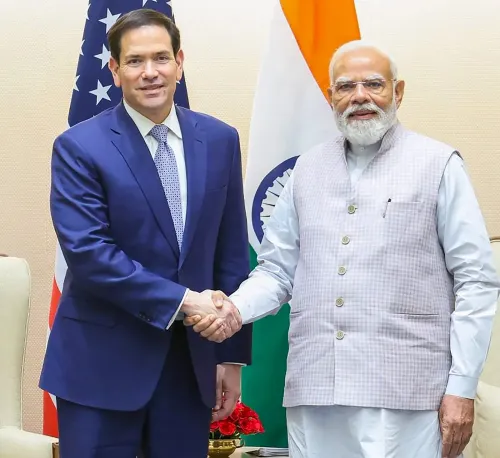
US Secretary of State Marco Rubio and US Ambassador to India Sergio Gor have outlined one of the most ambitious roadmaps for India-US relations in recent years, signalling that Washington is actively working toward a Presidential visit to India in early 2026, expects to finalise a bilateral trade agreement within weeks or months, and regards New Delhi as among its closest strategic partners. The statements, made in separate interviews at the White House on 27 June, represent the clearest public articulation yet of the Trump administration's priorities for the relationship.
Presidential Visit on the Horizon
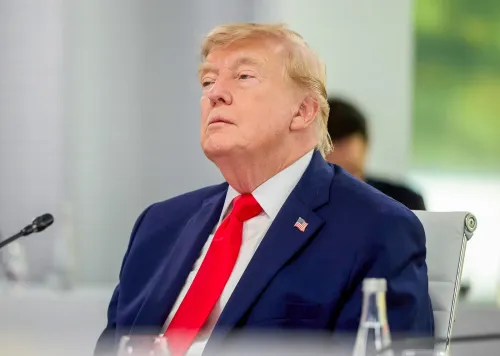
Rubio confirmed that preparations for a visit by President Donald Trump to India are underway, with early next year as the target window. 'I look forward to returning myself before the end of the year and setting up a presidential visit in the early parts of next year,' he said. Asked directly whether the visit would materialise, Rubio added: 'We're hoping. That's what we're working towards — sometime early next year to have the President come.'
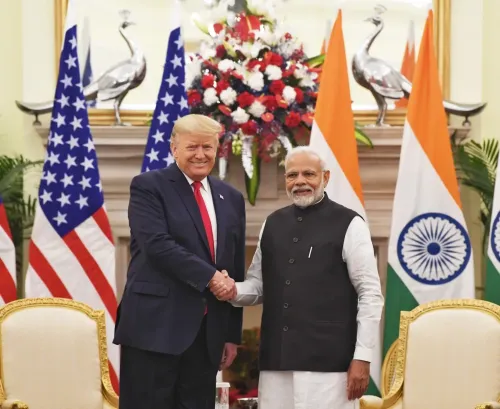
This comes amid a period of intensified diplomatic engagement between the two countries, with Prime Minister Narendra Modi and Trump having met multiple times since the latter returned to office.
Trade Deal in Final Stretch
Both officials expressed strong optimism that a bilateral trade agreement is within reach. 'We're hoping to finalise a trade deal. We're on the last inches of getting it done, and it's very positive,' Rubio said. Ambassador Gor echoed the assessment, noting that negotiators are now focused on language rather than substance. 'There's a handful of issues that remain,' he said. 'A lot of it now is on the language that ultimately both sides will sign. We're confident that over the next few weeks, over the next few months, it'll get done.'
Notably, India and the United States have been engaged in extended trade negotiations, with tariff structures, market access, and digital trade among the sticking points in earlier rounds.
The Modi-Trump Personal Bond
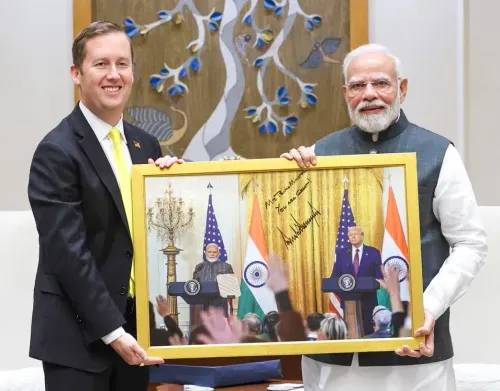
Both Rubio and Gor pointed to the personal rapport between the two leaders as a structural anchor for the relationship. 'India is such a close partner and ally of the United States, and the relationship between the Prime Minister and the President couldn't be closer, which I think is really important in diplomacy,' Rubio said. Gor described the bond as 'one of the big anchors' of India-US ties. 'The President and Prime Minister are great friends, and that's something that goes back years ago, and it's something that will continue to go years ahead,' he said. Gor also praised Modi's leadership style, saying, 'He is incredibly dynamic. He's incredibly hands-on, and he's results-driven. In a way, I see a lot of similarities between him and President Trump, because they both love being hands-on and getting things done and accomplishing things fast.'
Strategic and Economic Cooperation
Beyond the headline announcements, officials described a broadening partnership spanning trade, defence, critical minerals, energy, supply chains, and the Indo-Pacific. 'I think we have so much aligned and in common that we can build and work on together — our interests on economics, on supply chains, on critical minerals, on energy, on security, on freedom of navigation,' Rubio said. 'We're aligned on so many things.'
Gor said the partnership had 'limitless potential', citing expanding collaboration in technology, defence, pharmaceuticals, and investment. He also noted that the US Embassy in India had helped facilitate more than $20 billion in new investments into the United States within a year. The two countries also cooperate through the Quad, alongside Japan and Australia, to promote a free and open Indo-Pacific.
What Comes Next
With a Presidential visit being planned and a trade deal reportedly in its final drafting phase, the coming months will test whether the diplomatic momentum translates into concrete deliverables. Industry bodies and strategic analysts will be watching the trade agreement's terms closely, particularly on tariffs and technology transfer. A successful conclusion could mark a significant inflection point in one of the world's most consequential bilateral relationships.
Point of View
But the actual test is the trade deal — and the devil will be in the details that neither official specified. India and the US have been in trade negotiations for years, with recurring friction over tariffs on steel, aluminium, and agricultural products. 'Last inches' has been said before. A Presidential visit, meanwhile, would be a major optic win for both governments, but visits without deliverables have a history of generating headlines without structural change. The $20 billion investment facilitation figure is striking but unverified independently — worth scrutinising once the Embassy releases a breakdown. What is clear is that both sides have a political incentive to project unity, and that incentive is currently stronger than at any point in the past decade.
NationPress
25 Sept 2026
Frequently Asked Questions
Is Donald Trump planning to visit India?
US Secretary of State Marco Rubio confirmed on 27 June that the Trump administration is actively working toward a Presidential visit to India in the early part of 2026. Rubio said he himself plans to visit India before the end of the current year to help set up the Presidential trip.
How close is the India-US trade deal to being finalised?
Both Rubio and US Ambassador Sergio Gor described the trade deal as being in its final stage, with most substantive issues resolved and negotiators now focused on agreed language. Gor said he expects the deal to be concluded 'over the next few weeks, over the next few months.'
What areas does the expanded India-US partnership cover?
According to Rubio and Gor, the partnership now spans trade, defence, critical minerals, energy, supply chains, technology, pharmaceuticals, and maritime security. The two countries also cooperate through the Quad alongside Japan and Australia.
What is the significance of the Modi-Trump personal relationship?
Both Rubio and Gor described the personal bond between Prime Minister Narendra Modi and President Trump as a key structural anchor of the bilateral relationship. Gor called it 'one of the big anchors' of India-US ties and said the friendship 'goes back years' and 'will continue to go years ahead.'
How much investment has the US Embassy in India helped facilitate?
Ambassador Gor said the US Embassy in India helped facilitate more than $20 billion in new investments into the United States within a year, citing it as evidence of deepening economic engagement between the two countries.