Trump says India-US trade deal is coming, calls Modi 'a good friend'
Synopsis
Trump's White House remarks on 5 June were the clearest public signal yet that an India-US trade deal is within reach — personal diplomacy, a Harley-Davidson tariff grievance, and a direct 'we'll get to a deal' all rolled into one exchange. With Rubio's India visit already raising expectations, the question is no longer whether both sides want a deal, but how fast negotiators can close the remaining gaps.
Key Takeaways
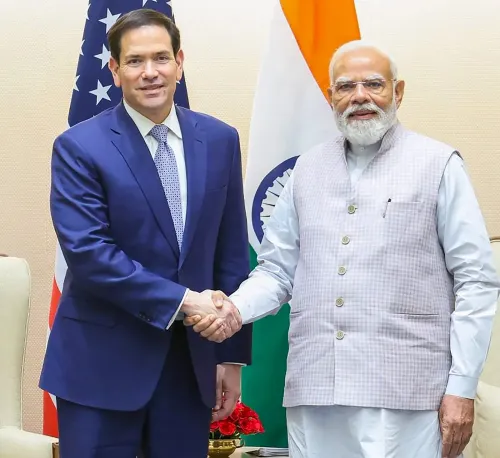
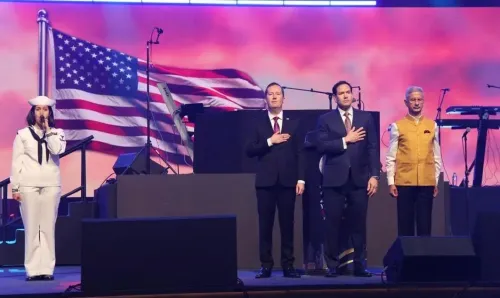
President Donald Trump said on 5 June that the US and India are moving towards a trade agreement, calling PM Narendra Modi 'a good friend.' Trump's remarks followed Secretary of State Marco Rubio 's recent visit to India, which had fuelled deal expectations.
Trump reiterated criticism of India's tariff regime, citing a historical 200 per cent duty on Harley-Davidson motorcycles as an example.
Both governments have emphasised strengthening economic ties alongside defence, technology, and energy cooperation.
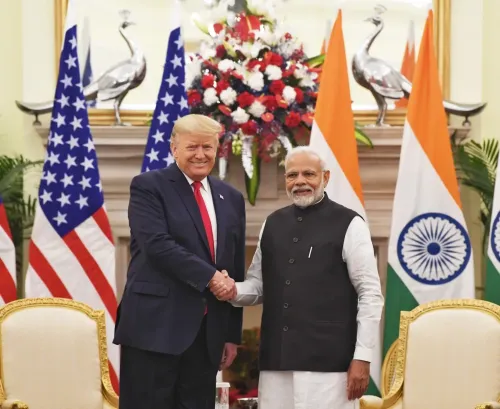
The India-US relationship has been anchored by personal diplomacy, including the 'Howdy Modi' and 'Namaste Trump' events during Trump's first term.
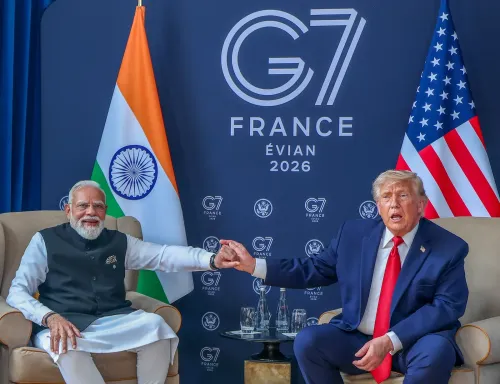
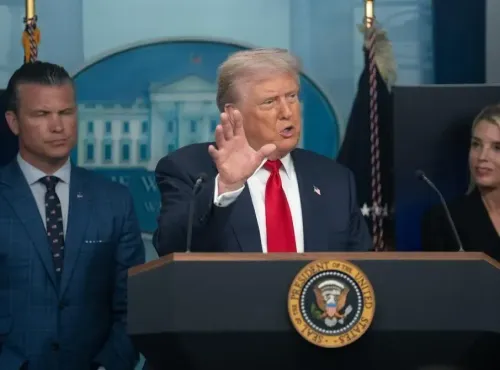
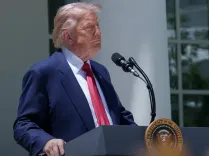
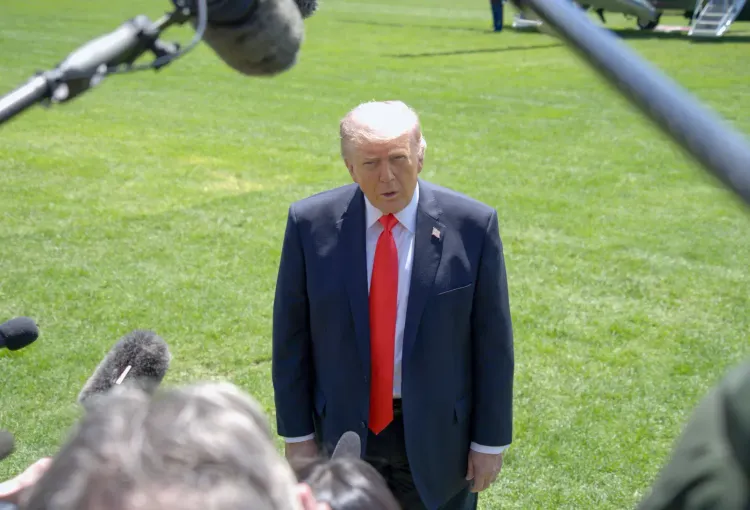
US President Donald Trump on Thursday, 5 June signalled that the United States and India are on course to finalise a bilateral trade agreement, describing Prime Minister Narendra Modi as 'a good friend' and expressing confidence that the two sides would close a deal. The remarks came during a White House event focused on coal and energy policy.
What Trump Said
When asked about reports that a trade agreement was imminent following Secretary of State Marco Rubio's recent visit to India, Trump said: 'Well, we have it.' He added: 'We'll get to a deal because I like — you know, I like your prime minister a lot. He's a good friend of mine, get along great and we're going to make a deal. We have a very good relationship.'
Trump also repeated his long-standing criticism of India's tariff regime, asserting that India had historically imposed steep duties on American goods while the US charged little in return. 'India, for years, really took advantage of the United States,' he said. 'They charged us tremendous tariffs, and they paid nothing.'
The Harley-Davidson Example
Trump cited Harley-Davidson motorcycles as a specific illustration of the tariff imbalance, claiming that a 200 per cent import duty had effectively shut American manufacturers out of the Indian market. 'They would charge a 200 per cent tariff,' he said. 'So Harley Davidson was precluded. They ended up going to India and building their own plants.'
He contrasted that arrangement with what he described as the current approach under his administration: 'They charged tremendous amounts of tariffs to our — and we didn't charge them anything. And now it's the exact reverse, and we're making a lot of money with India.'
Negotiating Context
The comments arrive amid growing expectations in both Washington and New Delhi that negotiators are narrowing differences on a bilateral trade package aimed at expanding market access and resolving long-running tariff disputes. Both governments have publicly emphasised the importance of strengthening economic ties alongside cooperation in defence, technology, energy, and critical supply chains.
Notably, Rubio's India visit had already generated speculation that the two sides were close to a framework agreement, making Trump's remarks the most direct public confirmation yet of the deal's momentum.
The Modi-Trump Personal Dynamic
Trump's comments also underscored the personal rapport he has frequently highlighted with PM Modi. During his first term, the two leaders shared high-profile public platforms — the 'Howdy Modi' gathering in Houston in 2019 and the 'Namaste Trump' event in Ahmedabad in 2020 — a dynamic that observers say continues to shape the tone of bilateral engagement.
With both sides signalling intent, the focus now shifts to whether negotiators can translate political goodwill into a concrete, signed framework in the weeks ahead.
Point of View
But confidence and a signed agreement are different things. The Harley-Davidson grievance — a fixture of his India trade rhetoric since 2018 — signals that market access for American goods remains the core US ask, and India has historically moved slowly on that front. The personal Modi-Trump chemistry is a genuine diplomatic asset, but it has not yet converted into a comprehensive trade framework across either of Trump's terms. With both sides now publicly committed, the risk is that the deal gets announced before it is fully built — a pattern that has defined India-US trade diplomacy for years.
NationPress
22 Sept 2026
Frequently Asked Questions
What did Trump say about an India-US trade deal?
Trump said on 5 June at the White House that the US and India 'will get to a deal,' citing his close personal relationship with PM Modi. He described negotiations as progressing and expressed confidence a bilateral trade agreement would be finalised.
What triggered Trump's remarks on India trade?
Trump was responding to questions about reports that a deal was close following Secretary of State Marco Rubio's recent visit to India. His comments were the most direct public confirmation yet of the negotiations' momentum.
Why has Trump criticised India's tariffs?
Trump has long argued that India imposed high tariffs on American goods while the US charged little in return. He cited Harley-Davidson motorcycles as a specific example, claiming a 200 per cent duty had historically blocked US manufacturers from the Indian market.
What is the current state of India-US trade negotiations?
According to reports, negotiators from both sides are working to close gaps on a bilateral trade package covering market access and tariff disputes. Both governments have signalled intent, but a formal agreement has not yet been announced.
How does the personal Modi-Trump relationship affect trade talks?
Trump has repeatedly highlighted his personal rapport with PM Modi, referencing joint events like 'Howdy Modi' in Houston and 'Namaste Trump' in Ahmedabad. Analysts note this personal dynamic shapes the tone of engagement, though it has not yet produced a comprehensive trade framework.