Gujarat Governor Devvrat backs natural farming at Anand visit, warns on soil damage
Synopsis
Gujarat Governor Acharya Devvrat didn't just deliver a speech — he ploughed a field, milked a cow, and spent the night in a village school to make his point. His Anand visit puts a constitutional figurehead at the frontline of India's push to wean farmers off chemicals, with a stark warning: keep using them, and future generations inherit barren land.
Key Takeaways
Gujarat Governor Acharya Devvrat visited Boriyavi village, Anand taluka on 11 August to promote natural farming.
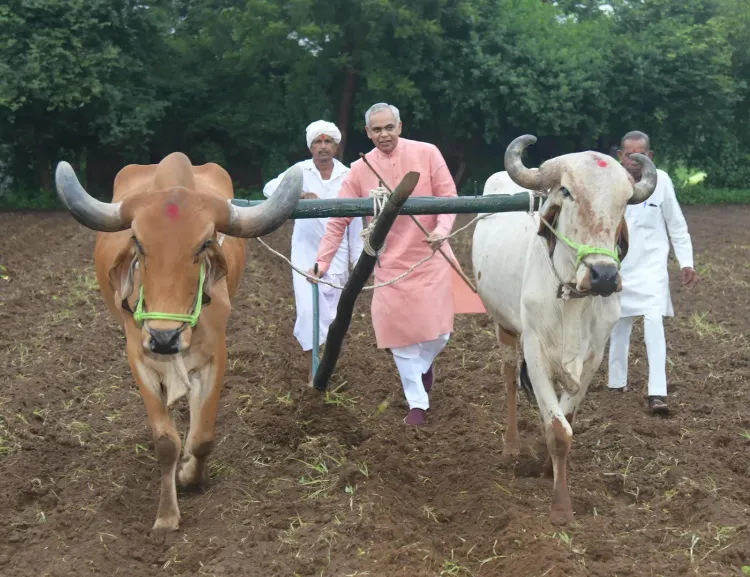
He inspected crops, milked a cow, and ploughed a field at the farm of progressive farmer Naresh Solanki .
Devvrat warned that chemical fertilisers have destroyed earthworms and microorganisms, forcing farmers to add nitrogen, potash, and phosphorus artificially.
He cited a five-tier natural farming model already in use by several Gujarat farmers, who reportedly earn lakhs annually with low input costs.
The Governor also led a yoga and pranayama session at Charvarg Primary School, Samarkha village , where he had spent the previous night.
Natural farming is backed by both the Gujarat state government and the Centre's National Mission on Natural Farming .
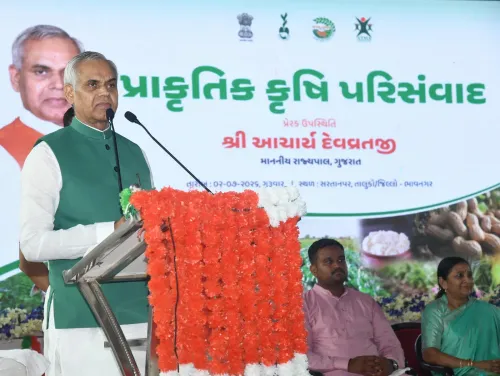
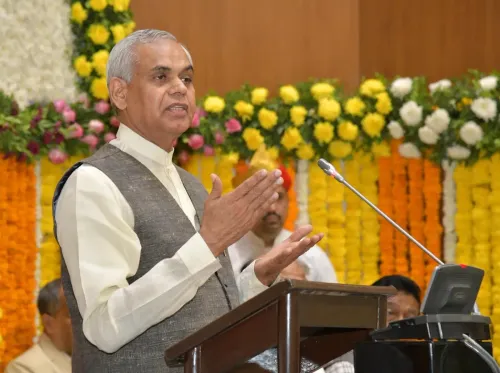
Gujarat Governor Acharya Devvrat on Tuesday, 11 August called on farmers in Anand district to abandon chemical farming and transition to natural farming, warning that continued reliance on chemical fertilisers and pesticides risks leaving future generations with neither fertile soil nor clean drinking water. The appeal came during a two-day visit to Anand taluka, where Devvrat engaged directly with local farming communities.
Governor at the Farm
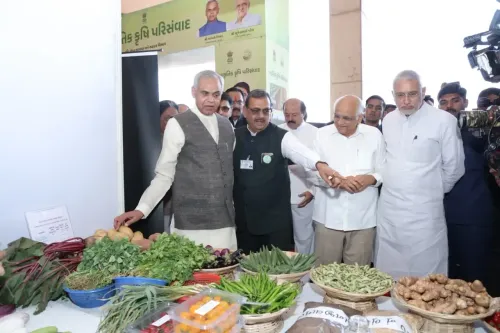
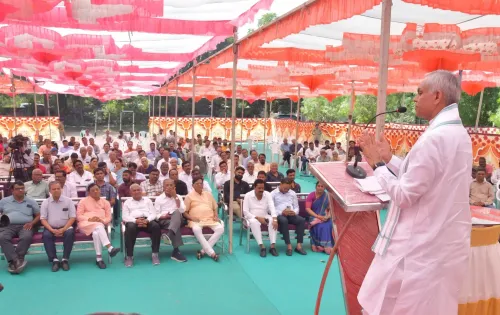
Devvrat visited the natural farm of progressive farmer Naresh Solanki in Boriyavi village, where he inspected standing crops, milked a cow, and personally ploughed the field. He also demonstrated the preparation and benefits of Jeevamrut and Ghan Jeevamrut — fermented bio-inputs central to the natural farming model — to the assembled farmers.
'Nature and God have themselves created the best system for maintaining the fertility of the soil,' Devvrat told farmers at the site.
The Case Against Chemical Farming
The Governor argued that indiscriminate use of chemical fertilisers and pesticides had destroyed earthworms and beneficial microorganisms in agricultural soil, forcing farmers to supplement externally with nutrients such as nitrogen, potash, and phosphorus. He noted that forests sustain plant life without any chemical inputs, citing this as evidence that soil has an inherent capacity for self-renewal when left undisturbed.
'Chemical farming has hardened the soil, whereas natural farming makes the soil fertile and, through natural water harvesting, allows rainwater to seep directly into the soil,' he said. He cautioned that if current practices continued, future generations would inherit barren land and depleted water sources.
Why Natural Farming Makes Economic Sense
Devvrat argued that natural farming need not mean lower yields — higher organic carbon content in the soil, he said, can improve crop output over time. He described natural farming as a cow-based system in which cattle serve a dual purpose: producing milk for income and manure for agriculture, reducing external input costs substantially.
He noted that several farmers in Gujarat were already operating on a five-tier natural farming model and earning lakhs of rupees annually with comparatively low labour and input expenditure. Drawing on personal experience, Devvrat said he had himself abandoned chemical fertilisers, after which his land regained its fertility. 'Instead of handing over barren land to the coming generation, handing over fertile and healthy land is the true form of repentance,' he said.
Yoga Session at Village School
Ahead of his farm visit, the Governor had spent the previous night in an ordinary room at Charvarg Primary School in Samarkha village of Anand taluka. Early on Tuesday morning, he led students, teachers, and villagers in a yoga and pranayama session, demonstrating Sheetali, Anulom-Vilom, Bhramari, and Bhastrika breathing techniques. He performed Surya Namaskar with the children and explained the significance of 'Om', with the session concluding in a collective chanting of the Gayatri Mantra.
Broader Policy Context
This is not the first time Devvrat has championed natural farming; he has consistently advocated the practice as a route to improved soil fertility and reduced dependence on commercial agricultural inputs. The Gujarat state government has also been promoting natural farming as a statewide initiative, aligning with the Centre's broader push under the National Mission on Natural Farming. With input costs squeezing farm margins across India, the Governor's ground-level outreach signals an intensifying effort to build farmer confidence in the transition.
Point of View
But the substantive question is whether symbolic outreach translates into measurable adoption. Gujarat has been a natural farming showcase state for years, yet the share of farmers who have fully transitioned remains small relative to the state's agricultural base. The five-tier model and Jeevamrut inputs require knowledge, patience, and a transitional income buffer that marginal farmers often lack — factors a gubernatorial visit does not resolve. Without targeted credit support and assured procurement for naturally grown produce, the movement risks remaining a story of enthusiastic early adopters rather than a structural shift in Indian agriculture.
NationPress
11 Aug 2026
Frequently Asked Questions
What is natural farming and how does it differ from chemical farming?
Natural farming relies on bio-inputs such as Jeevamrut and Ghan Jeevamrut — fermented preparations derived from cow dung and urine — instead of synthetic fertilisers and pesticides. Unlike chemical farming, which Governor Devvrat says has hardened soil and destroyed beneficial microorganisms, natural farming aims to restore organic carbon, improve water retention, and reduce external input costs.
Why did Gujarat Governor Acharya Devvrat visit Anand district?
Devvrat visited Anand district on 11 August as part of a two-day outreach to promote natural farming directly with farming communities. He visited progressive farmer Naresh Solanki's natural farm in Boriyavi village, demonstrated bio-input preparation, and interacted with local farmers to explain the agronomic and economic benefits of transitioning away from chemical inputs.
What is the five-tier natural farming model mentioned by the Governor?
The five-tier natural farming model is a multi-crop layered cultivation approach reportedly being used by several farmers in Gujarat, enabling them to earn lakhs of rupees annually with relatively low labour and input costs. The Governor cited it as evidence that natural farming can be economically viable at scale, though he did not elaborate on the specific crop combinations involved.
What health and environmental risks did Devvrat associate with chemical farming?
Devvrat argued that chemical fertilisers and pesticides destroy earthworms and soil microorganisms, harden the soil, pollute water sources, and may expose people to serious health problems. He warned that if chemical farming continues unchecked, future generations could be left without fertile agricultural land or clean drinking water.
Is natural farming an official government policy in Gujarat?
Yes. The Gujarat state government has been promoting natural farming as a statewide initiative, and it aligns with the Centre's National Mission on Natural Farming. Governor Devvrat has previously advocated the practice on multiple occasions, making it a consistent policy priority rather than a one-off intervention.