Natural farming can cut costs, boost health: Gujarat Governor Devvrat
Synopsis
Gujarat Governor Acharya Devvrat invoked a study finding pesticides, detergents and urea in breast milk samples from 105 women to make the case for natural farming as a national mission — not just an agricultural choice. His Bhavnagar seminar call for a 'poison-free India' signals a deepening state-level push to make chemical-free farming a mass movement.
Key Takeaways
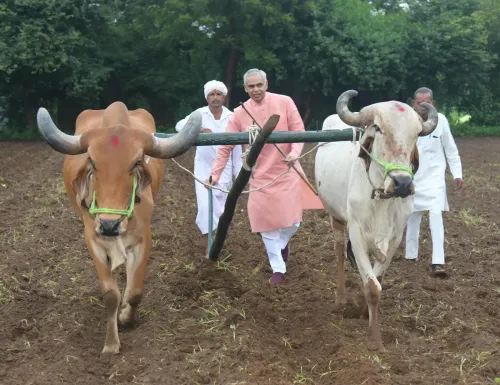
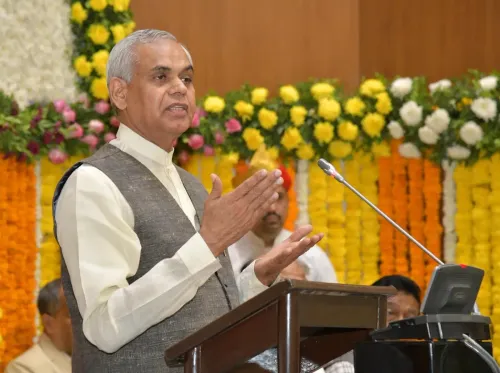
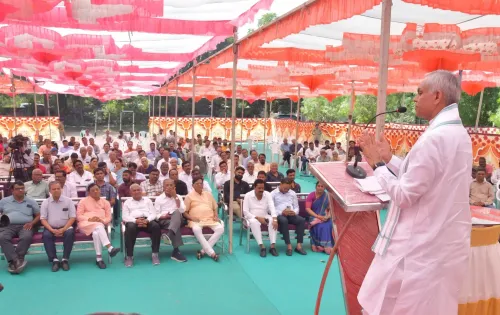
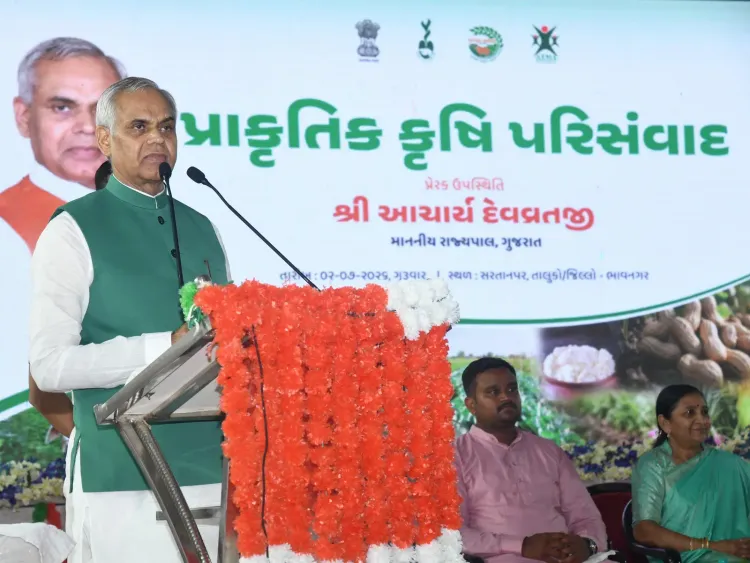
Gujarat Governor Acharya Devvrat chaired a natural farming seminar at Sartanpar village, Bhavnagar on 2 July .
A scientific study cited by the Governor found traces of pesticides, detergents and urea in breast milk samples from 105 women .
Devvrat urged every practising natural farmer to recruit at least 10 more farmers in their village.
Taluka-Level Best ATMA Farmer Awards were presented to four farmers at the event.
Minister of State Nimuben Bambhaniya highlighted Jeevamrut and Ghan Jeevamrut as economically beneficial inputs for adopting farmers.
The Governor cited his Himachal Pradesh tenure, where natural farming adoption reportedly grew from thousands to lakhs of farmers.
Gujarat Governor Acharya Devvrat on 2 July called for a mass public movement to expand natural farming across the country, arguing it would lower cultivation costs, improve public health and help build a 'poison-free India'. He made the remarks while chairing a natural farming seminar at Sartanpar village in Bhavnagar district, Gujarat.
Natural Farming as a National Mission
Governor Devvrat framed natural farming as far more than an agricultural technique. 'Natural farming is not merely an agricultural practice but a national mission connected with human health, environmental protection, soil fertility and the secure future of coming generations. Let us make natural farming a people's movement through public participation and build a poison-free India,' he said at the seminar.
He argued that nature already has its own mechanisms for maintaining soil fertility — earthworms, microorganisms, and farming based on indigenous cows all contribute to healthier soil while also promoting rainwater conservation. Chemical farming, by contrast, hardens the soil and hinders groundwater recharge, he noted.
The Cost of Chemical Farming
The Governor pointed to the heavy toll of excessive chemical fertiliser and pesticide use, saying it had polluted soil, water, air and food, fuelled the rise of serious diseases, and imposed a significant financial burden on the country through fertiliser imports and rising healthcare expenditure.
He cited a scientific study in which researchers found traces of pesticides, detergents and urea in breast milk samples collected from 105 women, calling the findings a 'serious warning' for human health and future generations.
Lessons from Himachal Pradesh
Drawing on his earlier tenure as Governor of Himachal Pradesh, Acharya Devvrat said the success of natural farming there had encouraged thousands of farmers to adopt the practice — with adoption numbers now reportedly running into lakhs. He urged every farmer already practising natural farming to bring at least ten more farmers in their village on board.
Government Push and Farmer Awards
Minister of State Nimuben Bambhaniya noted that Governor Devvrat had been travelling across Gujarat's talukas to promote natural farming and widen public participation. She described the practice as 'a powerful means of farmers' prosperity', emphasising that the use of Jeevamrut, Ghan Jeevamrut and indigenous-cow-based farming had proven economically beneficial for adopting farmers.
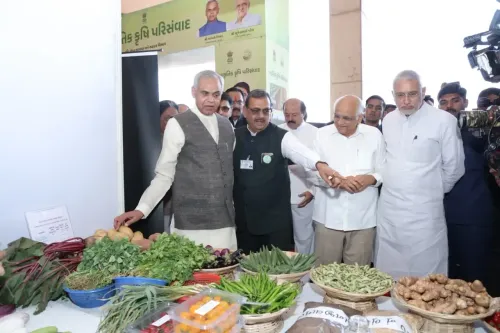
She also urged farmers to make greater use of government agricultural schemes, modern technology and market support alongside natural farming. During the event, Governor Devvrat presented Taluka-Level Best ATMA Farmer Awards to four farmers practising natural farming, and both he and MoS Bambhaniya visited stalls displaying natural farming produce and interacted with farmers directly.
What Comes Next
With the Governor continuing his taluka-level outreach across Gujarat, the push signals an intensifying state-level effort to scale natural farming through grassroots participation. Whether farmer adoption translates into measurable reductions in input costs and chemical usage will be the key test of this mission-mode drive.
Point of View
Yet chemical fertiliser consumption in the state has not shown a decisive downward trend. The real accountability test is whether the taluka-level outreach is backed by input subsidies, assured procurement for chemical-free produce, and independent soil-health monitoring — without which 'mission mode' risks remaining a phrase rather than a programme.
NationPress
1 Oct 2026
Frequently Asked Questions
What did Gujarat Governor Acharya Devvrat say about natural farming?
Governor Devvrat called natural farming a national mission linked to human health, soil fertility and environmental protection, urging farmers and citizens to make it a mass people's movement to build a 'poison-free India'. He made these remarks at a seminar in Sartanpar village, Bhavnagar district, on 2 July.
What was the scientific study cited by Governor Devvrat?
The Governor referenced a study in which researchers found traces of pesticides, detergents and urea in breast milk samples collected from 105 women. He described the findings as a 'serious warning' for human health and future generations.
What is Jeevamrut and why was it mentioned at the seminar?
Jeevamrut and Ghan Jeevamrut are natural bio-stimulant preparations used in indigenous cow-based natural farming. Minister of State Nimuben Bambhaniya noted that farmers who had adopted these inputs reported economic benefits, including lower production costs and healthier soil.
How does natural farming compare to chemical farming according to the Governor?
According to Governor Devvrat, natural farming lowers cultivation costs, improves soil health, produces nutritious poison-free food and raises farmer incomes. Chemical farming, he argued, hardens soil, hinders groundwater recharge, pollutes water and air, and drives up national expenditure on fertiliser imports and healthcare.
Who received awards at the Bhavnagar natural farming seminar?
Four farmers practising natural farming received Taluka-Level Best ATMA Farmer Awards, presented by Governor Devvrat at the Sartanpar village seminar on 2 July.