ISI honey-trap ops now use psychologists to target Indian officials
Synopsis
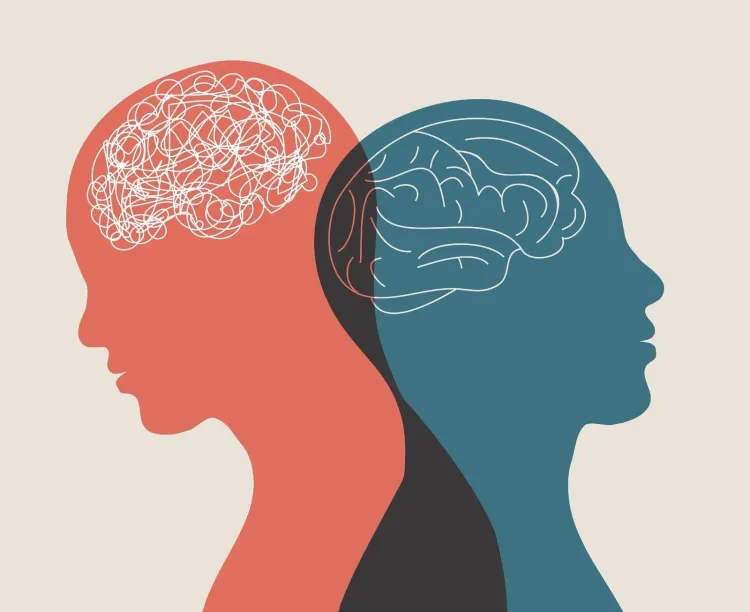
Pakistan's ISI has stopped relying on cash or coercion to run honey-trap operations — it now deploys trained psychologists who spend months studying Indian officials' social media behaviour, exploiting personal vulnerabilities, and then pushing Chinese-origin spyware onto their devices. The tactic is working, and Indian agencies are struggling to counter it.
Key Takeaways
Pakistan's ISI has deployed trained psychologists in honey-trap networks targeting Indian officials with access to sensitive information.
Operatives create fake female social media identities , study targets' online behaviour, and spend two to three months building trust before extracting data.
Targeted officials are persuaded to install spyware and malware of Chinese origin on their devices.
Money and intimidation have been replaced by emotional exploitation — intimacy, sympathy, and personal vulnerability — as the primary bait.
Indian agencies say honey-trap cases have been growing despite regular advisories, and describe the trend as increasingly worrisome.
The surge in psychologist recruitment within ISI-linked networks signals a systematic, long-term shift in espionage methodology.
Pakistan's Inter-Services Intelligence (ISI) has significantly upgraded its honey-trap operations targeting Indian government officials, deploying trained psychologists to systematically exploit personal vulnerabilities rather than relying on money or coercion, according to an Intelligence Bureau (IB) official. The shift marks a sophisticated evolution in espionage tradecraft that has continued to ensnare officials despite repeated advisories from Indian agencies.
How the Operation Works
According to the IB official, ISI-appointed psychologists are directed to create social media accounts using female identities before they begin scouting for targets. These operatives first identify officials who have access to sensitive information and then conduct an in-depth study of the messages and posts those officials share online.
Because they are trained psychologists, these operatives can gauge the mindset and emotional state of a target with relative ease, the official said. Officials who vent personal frustrations on social media are considered particularly vulnerable and are prioritised as targets.
The Trust-Building Phase
Once a target is identified, the operatives initiate contact and adopt a highly sympathetic approach. The trust-building phase reportedly takes two to three months, during which the operative remains consistently empathetic and attentive to the official's personal problems.
When sufficient trust has been established, the official is persuaded to install applications on their devices. Most of these applications are described as spyware and malware of Chinese origin, designed to silently extract data from the compromised system. Notably, the transition from conversation to data extraction often occurs before the target realises what is happening.
Why Money and Intimidation Are No Longer the Primary Bait
Intelligence officials say the ISI has determined that exploiting personal vulnerabilities is more effective than offering financial inducements or using threats. 'It is more of a mind game,' the official said, adding that intimacy, attraction, and emotional exploitation have proven far more reliable tools for extracting sensitive information from officials in high-access positions.
This shift in methodology also makes detection harder. Traditional counter-intelligence frameworks were calibrated to watch for financial transactions or signs of intimidation — signals that are largely absent in the new model.
Growing Demand for Psychologists in Pakistan's Spy Network
The success of this approach has reportedly triggered a growing demand for psychologists within ISI-linked honey-trap networks in Pakistan. Indian intelligence officials describe the trend as worrisome, particularly because a significant number of targeted officials have continued to fall into the trap and install data-leaking software on their systems, even after formal advisories were issued.
This is not an isolated phenomenon. Honey-trap cases in India have been reported across multiple states and have involved officials from defence, paramilitary, and civilian government departments over recent years. The use of Chinese-origin malware adds a further layer of concern, suggesting possible coordination or at least technical support from a third party.
What Indian Agencies Are Doing
Indian security agencies have issued repeated advisories warning officials against engaging with unknown contacts on social media and against installing unverified applications. However, officials acknowledge that the psychological sophistication of the new approach makes standard awareness campaigns insufficient on their own.
Experts in counter-intelligence argue that a more targeted psychological resilience programme — one that addresses the personal stressors that make officials susceptible — may be necessary to counter what is now, in effect, a psychologist-versus-psychologist contest. Whether Indian agencies will formally institutionalise such measures remains to be seen.
Point of View
Or is there a third-party technical architecture behind it? Indian agencies need to answer that question before they can design an effective response.
NationPress
24 Oct 2026
Frequently Asked Questions
How does the ISI's new honey-trap method work?
ISI-appointed psychologists create fake female social media profiles, identify Indian officials who share personal frustrations online, and spend two to three months building emotional trust before persuading those officials to install spyware on their devices. The entire process exploits personal vulnerabilities rather than offering money or making threats.
Why has the ISI shifted from money to psychological manipulation in honey-trap operations?
According to Intelligence Bureau officials, the ISI has found that tapping into officials' personal problems is more effective and harder to detect than financial inducements or coercion. The use of intimacy and emotional exploitation has proven more reliable for extracting sensitive information from high-access officials.
What kind of malware is being used in these honey-trap cases?
Officials say most of the applications that targets are persuaded to install are spyware and malware of Chinese origin, designed to silently extract data from compromised devices. The use of Chinese-origin tools has added a further layer of concern for Indian intelligence agencies.
Who is being targeted in these ISI honey-trap operations?
The operations primarily target Indian government officials who have access to sensitive or classified information. Officials who are active on social media and publicly express personal frustrations are considered especially vulnerable and are reportedly prioritised by ISI-linked operatives.
What are Indian agencies doing to counter ISI honey-trap networks?
Indian security agencies have issued repeated advisories warning officials against engaging with unknown social media contacts and installing unverified applications. However, officials acknowledge that the psychological sophistication of the new approach makes standard awareness campaigns insufficient, and a more targeted resilience programme may be required.