ISI recruits Indian youth with luxury lifestyle traps, targets juveniles
Synopsis
Pakistan's ISI isn't just recruiting with ideology — it's recruiting with Instagram aesthetics. Luxury cars, lavish homes, and promises of social validation are now the entry points into terror networks targeting India's unemployed youth, with juveniles deliberately chosen to exploit a legal blind spot. The Shehzad Bhatti module's 250-arrest bust is just one data point in a widening pattern.
Key Takeaways
The ISI is directing recruiters to project lavish lifestyles on social media to lure unemployed Indian youth into terror-linked activities.
Recruits are blackmailed after being paid far less than promised, trapping them through fear of exposure to authorities.
ISI handlers reportedly include trained psychologists who profile and exploit emotionally frustrated youth seeking money, power, and social validation.
Influencer-turned-recruiter Shehzad Bhatti's module was busted by Indian agencies, resulting in over 250 arrests .
The ISI is deliberately targeting juveniles to exploit the Juvenile Justice Act, 2000 , which exempts those under 18 from IPC and BNS punishment.
Agencies are adopting a reformative approach for juvenile cases, deploying psychologists to prevent re-radicalisation.
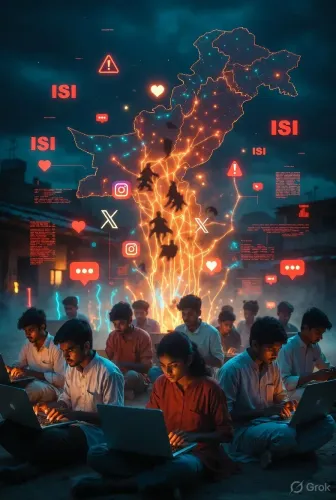
Pakistan's Inter-Services Intelligence (ISI) is systematically luring unemployed Indian youth into terror networks by projecting images of wealth and social status, according to Intelligence Bureau (IB) officials. Recruiters operating on behalf of the ISI have been instructed to flood social media with photographs of luxury cars, high-end residences, and designer clothing — a calculated psychological trap aimed at economically frustrated young Indians.
How the Lifestyle Trap Works
IB officials, who scanned the profiles of several targeted youth, found that the primary targets are unemployed individuals seeking shortcuts to financial success. Recruiters deliberately curate an aspirational image online, projecting a lifestyle that appeals to those who feel left behind economically.
Once a recruit is drawn in, the reality diverges sharply from the promise. According to officials, recruits are paid far less than what was pledged, and when they confront their handlers, they are blackmailed. Handlers reportedly threaten to expose the recruits' activities to law enforcement, trapping them in a cycle of coercion. 'Most of these youth who end up earning paltry amounts continue doing the job as they fear being outed,' an official said.
Psychological Profiling by ISI Handlers
The ISI's recruitment apparatus reportedly includes individuals trained in behavioural psychology. These operatives identify youth who are unemployed, socially frustrated, and seeking validation. They then persuade targets that entering criminal networks is the only viable path to power, money, and societal respect — exploiting a genuine sense of alienation among India's youth.
This is not a blunt financial pitch alone; it is a structured psychological operation that combines aspiration, identity, and belonging to lower a recruit's resistance.
The Shehzad Bhatti Module
Shehzad Bhatti, described as an influencer-turned-terror recruiter, ran one such module that was recently dismantled by Indian security agencies, resulting in over 250 arrests. Bhatti specifically targeted youth with prior criminal backgrounds, promising them entry into large criminal syndicates with significantly higher earnings. Like other ISI-linked recruiters, Bhatti publicly flaunted a lavish lifestyle to establish credibility and aspiration among potential recruits.
Juveniles: A Legal Loophole Exploited
Officials flagged a particularly concerning dimension: the ISI is deliberately targeting juveniles, partly to exploit a gap in Indian law. Under Section 2(12) of the Juvenile Justice (Care and Protection of Children) Act, 2000, any person below 18 years of age is classified as a juvenile and is not subject to punishment under the Indian Penal Code (IPC) or the Bharatiya Nyaya Sanhita (BNS).
Agencies are therefore adopting a reformative rather than punitive approach for juvenile cases, working alongside psychologists to counsel affected individuals. 'Taking the usual approach can well make them turn into bigger criminals in the future,' an official cautioned.
What Agencies Are Doing
Intelligence and law enforcement agencies are increasingly deploying psychological counsellors alongside investigators when dealing with juvenile recruits. The goal is rehabilitation — ensuring that young people who have been manipulated do not re-enter ISI-linked networks. Officials indicated that newer ISI recruitment modules are doubling down on lifestyle projection and youth frustration as primary vectors, signalling that the threat is evolving rather than diminishing.
Point of View
Targeting economic anxiety instead. The deliberate use of juveniles is not incidental; it is a calculated legal arbitrage. India's reformative juvenile justice framework, designed to protect children, is being reverse-engineered as a shield for terror networks. Agencies counselling juvenile recruits is a necessary response, but it addresses symptoms. The structural fix — reducing the pool of economically desperate, socially alienated youth — lies well outside the security establishment's remit.
NationPress
7 Oct 2026
Frequently Asked Questions
How is the ISI recruiting Indian youth?
The ISI is using a 'lifestyle trap' — directing recruiters to post images of luxury cars, expensive homes, and designer clothing on social media to attract unemployed youth seeking financial shortcuts. Once recruited, targets are underpaid and then blackmailed into continuing their activities.
Who is Shehzad Bhatti and what was his role?
Shehzad Bhatti was an influencer-turned-terror recruiter who ran an ISI-linked module targeting youth with criminal backgrounds. He promised recruits entry into large criminal syndicates and flaunted a lavish lifestyle to establish credibility. His network was dismantled by Indian security agencies, leading to over 250 arrests.
Why is the ISI targeting juveniles specifically?
The ISI is reportedly exploiting a provision in the Juvenile Justice (Care and Protection of Children) Act, 2000, which defines anyone under 18 as a juvenile and exempts them from punishment under the IPC and BNS. This makes juveniles legally lower-risk assets for recruitment.
How are Indian agencies responding to juvenile recruitment?
Agencies are taking a reformative rather than punitive approach for juvenile cases, working with psychologists to counsel affected individuals. Officials have warned that conventional criminal prosecution of juveniles could push them deeper into criminal networks rather than rehabilitating them.
What psychological tactics does the ISI use in recruitment?
ISI recruitment cells reportedly include individuals trained in behavioural psychology who profile unemployed, frustrated youth. These operatives convince targets that joining criminal or terror networks is the only path to money, power, and social validation — exploiting feelings of economic exclusion and a desire for respect.