ISI recruits Punjab youth for ₹20,000 per terror attack, agencies flag pattern
Synopsis
Pakistan's ISI is reportedly paying Punjab youth as little as ₹20,000 per attack, using gangster networks to bypass ideological recruitment — a chilling operational shift. With three incidents in 10 days, attacks on BJP leaders, Hindu temples, and sensitive military installations, agencies warn the ISI is deliberately opening a new front in Punjab as its Kashmir operations slow down.
Key Takeaways
ISI is allegedly recruiting Punjab youth for ₹20,000 per attack , targeting financially vulnerable individuals and drug addicts.
Pakistan-based gangster Shezad Bhatti is reportedly coordinating operations on behalf of the ISI through local criminal networks.
Punjab Police busted two Babbar Khalsa International (BKI) modules in Amritsar and Gurdaspur on 9 April and 16 April 2025 , recovering grenades and IEDs.
Two IED blasts occurred within hours on 5 May 2025 — near the BSF headquarters in Jalandhar and the Khalsa Military Camp in Amritsar .
Agencies say the ISI is targeting BJP leaders and Hindu religious sites to incite communal tensions between Sikh and Hindu communities.
Officials link the Punjab escalation to a slowdown in ISI-backed operations in Jammu and Kashmir .
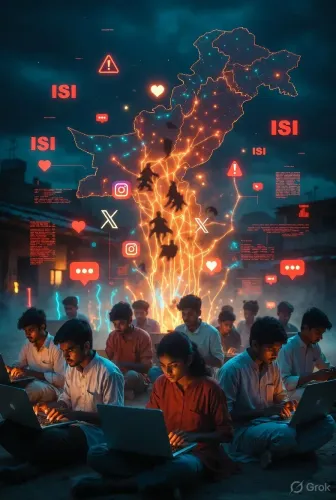
Pakistan's Inter-Services Intelligence (ISI) is orchestrating a calculated escalation of violence in Punjab, recruiting local youth — some of them drug addicts — for as little as ₹20,000 per attack, according to intelligence officials. A wave of incidents since February 2025 has alarmed central and state agencies, who say a distinct operational pattern is now clearly visible.
The Recruitment Network
At the centre of the alleged network is Shezad Bhatti, a Pakistan-based gangster who, according to officials, has been coordinating with local criminal networks to recruit ground-level operatives in Punjab. While attacks are being claimed by the Khalistan Liberation Army (KLA), investigators say Bhatti is the operational link between the ISI and local gangsters.
Preliminary investigations suggest that not all the youth involved are radicalised. According to an official, a significant number are being paid ₹20,000 per attack, with handlers deliberately targeting financially vulnerable individuals. "Some are drug addicts, and they are ready to carry out attacks for a sum of ₹20,000," the official stated. This transactional model marks a departure from ideologically driven recruitment and makes detection significantly harder for law enforcement.
Modules Busted, Weapons Recovered
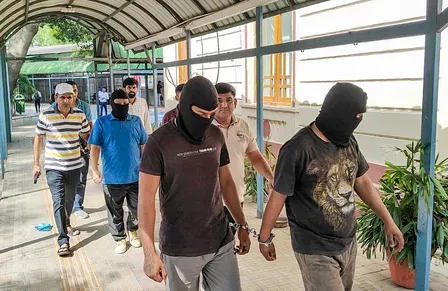
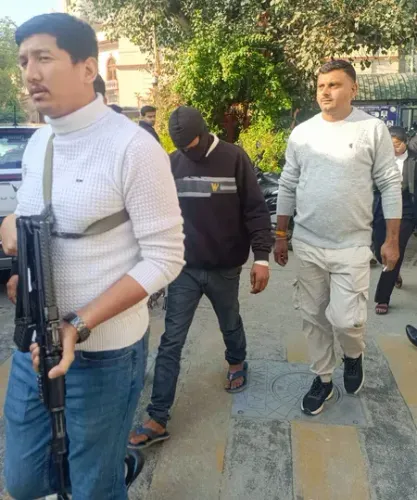
The Punjab Police and central agencies have been working to dismantle these networks. On 9 April and 16 April 2025, police busted two Babbar Khalsa International (BKI) modules operating out of Amritsar and Gurdaspur. Recoveries included grenades, improvised explosive devices (IEDs), and bomb-making material.
An Intelligence Bureau (IB) official confirmed that the threat of a Khalistan revival cannot be dismissed, noting that while agencies have largely kept it under check, the nature of the threat is evolving. "It is not just low-intensity blasts that have been taking place in Punjab," the official said.
Recent Incidents and the Emerging Pattern
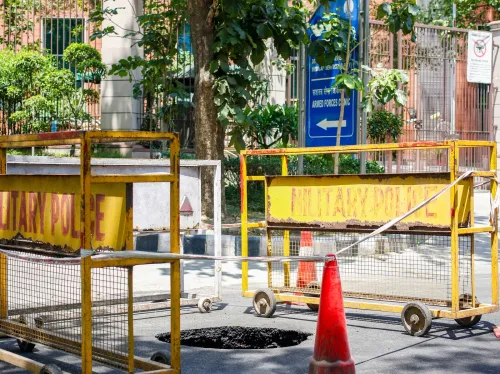
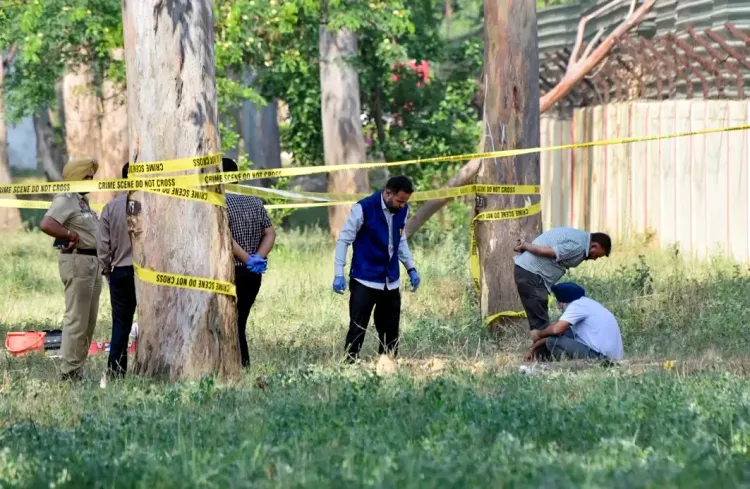
The past weeks have seen a sharp spike in incidents. On 5 May 2025, two IED explosions took place within hours of each other — one near the BSF headquarters in Jalandhar and another near the Khalsa Military Camp in Amritsar, both near sensitive installations. On 27 April, an attempt to trigger an IED blast on a railway track in Patiala was foiled by security forces.
Agencies also point to a pattern of targeted killings. Last year, sarpanches in Amritsar and Tarn Taran were killed in attacks that perpetrators claimed were personal disputes. Officials, however, say the larger aim is to create fear and panic across the state.
BJP Leaders and Religious Sites Targeted
According to officials, Khalistan-backed elements have also been targeting Bharatiya Janata Party (BJP) leaders — a move seen as a direct message to the Narendra Modi government. On 7 April 2024, a grenade was hurled at the residence of BJP leader Manoranjan Kalia in what officials describe as a deliberate escalation; Kalia escaped unhurt. On 1 April 2025, a low-intensity blast was reported outside the Punjab BJP headquarters in Chandigarh, with no casualties but clear intent to intimidate.
Attacks on religious sites have added a communal dimension to the threat. In March 2024, two motorcycle-borne assailants hurled a hand grenade at the Thakurdwara Sanatan Mandir in Amritsar. There were no casualties, but the blast damaged walls and shattered windows. An official said the targeting of a Hindu religious site points directly to an ISI strategy to drive a wedge between Sikh and Hindu communities and incite communal tensions — a pattern, the official noted, that was also witnessed at the peak of the original Khalistan movement.
Why Punjab, Why Now
Officials believe the ISI's renewed Punjab focus is directly linked to a slowdown in its operations in Jammu and Kashmir. "With operations slowing down in Jammu and Kashmir, it desperately needs another front to play. This is why the ISI has been making such a major push in Punjab," an official said. Intelligence agencies have warned that Khalistani elements will continue to escalate, and the challenge in the coming days is expected to be immense.
Point of View
000 per attack, no ideology required — is arguably more dangerous than radicalisation-driven terror, because it is scalable, deniable, and harder to profile. Security agencies have historically tracked ideological networks; criminal-mercenary hybrids are a different threat architecture. The ISI's simultaneous targeting of BJP offices, Hindu temples, and military installations suggests a multi-vector strategy designed to overwhelm Punjab's intelligence bandwidth. That three incidents occurred within 10 days, and that two IED blasts near sensitive installations happened on the same day, points to a coordinated tempo shift — not a random uptick. The question agencies must now answer is not just who is planting the devices, but who is financing the ₹20,000 payments at scale.
NationPress
24 Sept 2026
Frequently Asked Questions
How is the ISI recruiting youth for terror attacks in Punjab?
According to officials, the ISI is using Pakistan-based gangster Shezad Bhatti's criminal network to recruit financially vulnerable youth, including drug addicts, paying them ₹20,000 per attack. The recruitment is largely transactional rather than ideologically driven, making it harder for agencies to detect.
What is the Khalistan Liberation Army (KLA)?
The Khalistan Liberation Army is a militant outfit that has been claiming responsibility for several recent attacks in Punjab. Officials say that while the KLA claims the attacks, the operations are being coordinated by Pakistan-based handlers with alleged ISI backing.
What incidents have taken place in Punjab recently?
Two IED explosions occurred near sensitive installations — the BSF headquarters in Jalandhar and the Khalsa Military Camp in Amritsar — within hours of each other on 5 May 2025. An IED attempt on a railway track in Patiala was foiled on 27 April 2025, and a blast outside the Punjab BJP headquarters in Chandigarh was reported on 1 April 2025.
Why are agencies concerned about attacks on BJP leaders and Hindu temples?
Officials say the targeting of BJP leaders and Hindu religious sites reflects an ISI strategy to send a political message to the Modi government and simultaneously inflame communal tensions between Sikh and Hindu communities in Punjab — a tactic also observed during the original Khalistan movement.
Why is the ISI escalating activity in Punjab now?
Intelligence officials say the ISI is intensifying its Punjab operations because its activities in Jammu and Kashmir have slowed down significantly. Punjab is being used as an alternative front to keep pressure on Indian security forces and create internal instability.