ISI pushes Khalistan modules to shift tactics as Punjab crackdown busts 8 networks
Synopsis
Despite 117 arrests and eight module busts, ISI-backed Khalistan networks are not standing still — they are pivoting from extortion to drugs to arms to counterfeiting in rapid succession, keeping security agencies in a constant game of catch-up. The bigger worry, officials say, is not the modules already dismantled but the overseas handlers quietly recruiting Punjab's youth from bases in the Gulf and Europe.
Key Takeaways
Punjab counter-terror operations have led to 117 arrests and the busting of 8 Khalistan-backed modules .
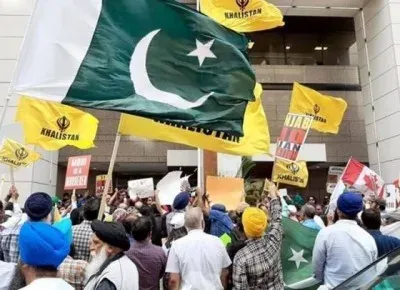
ISI-directed groups have cycled through targeted killings, extortion, narcotics, arms smuggling, and counterfeiting to evade detection.
Outfits including Babbar Khalsa International and the Khalistan Liberation Army have so far failed to execute anticipated large-scale attacks.
ISI-recruited handlers operating from the Gulf , Europe , and Pakistan are actively targeting radicalisation of Punjab youth.
Funding channels mix modern digital transfers with traditional hawala routes to obscure financial trails.
Officials describe the domestic Khalistan situation as 'largely under control' but flag overseas handler networks as the primary ongoing threat.
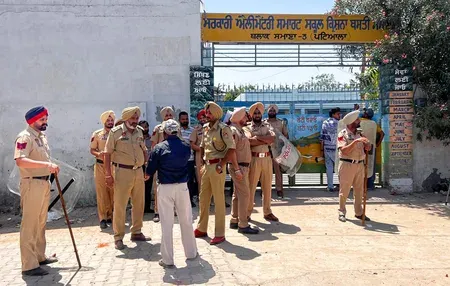
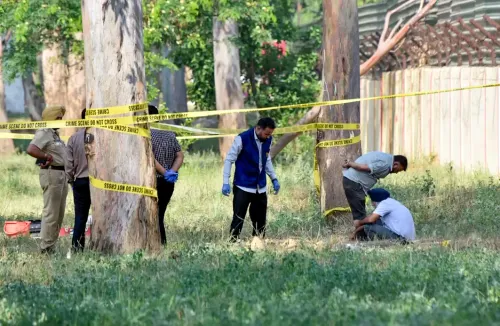
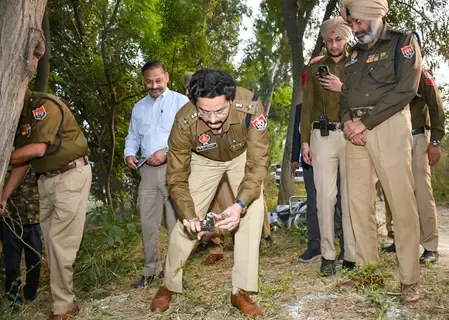
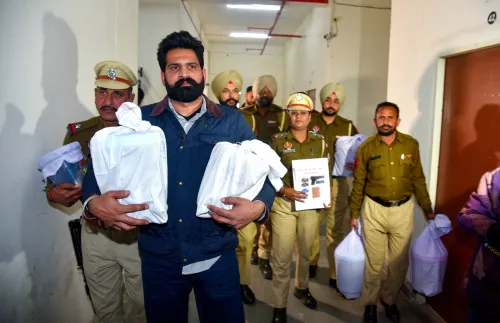
Pakistan's Inter-Services Intelligence (ISI) is reportedly directing Khalistan-backed modules in Punjab to continuously rotate their operational methods in a bid to evade detection, according to senior intelligence officials. The shift in strategy comes after sustained counter-terror operations led to the arrest of nearly 117 individuals and the dismantling of eight Khalistan-linked modules through close coordination between the Punjab Police, the Intelligence Bureau (IB), and central security agencies.
A Pattern of Shifting Tactics
According to an Intelligence Bureau official, pro-Khalistan groups allegedly backed by the ISI no longer follow a single operational template. 'There is no single fixed pattern that they are following anymore,' the official said. Over the past several months, these modules cycled through targeted killings, extortion, narcotics smuggling, arms trafficking, and even counterfeiting — each pivot timed to coincide with a tightening of the security net around the previous activity.
Officials note that while these operations differ in nature, a common thread runs through all of them. 'All these operations were carried out by the same people and modules that are backed by the ISI. The idea is to keep the pot boiling and not get bogged down by the security agencies,' the official said.
Why the ISI Cannot Afford a Lull
A second official explained the strategic logic behind the constant churn: a prolonged period of inactivity would be counterproductive for the movement, potentially drying up funding, undermining recruitment, and eroding whatever momentum the Khalistan cause retains. The ISI, according to officials, has been 'desperately' attempting to revive the movement and cannot allow it to stagnate following successive busts by Indian agencies.
Security agencies had earlier anticipated that outfits such as the Babbar Khalsa International and the Khalistan Liberation Army might attempt large-scale attacks, including suicide bombings or major blasts. Those attempts have either not materialised or have been neutralised due to heightened vigilance, officials said.
Overseas Handlers: The Persistent Threat
While the situation within India is described as 'largely under control' by officials, the deployment of ISI-recruited handlers abroad remains a significant concern. These handlers have reportedly established bases in the Gulf, Europe, and Pakistan, and are actively seeking to recruit radicalised youth from Punjab.
'If the youth start romanticising the Khalistan cause, then one would be staring at a larger problem,' an official warned. The concern is not merely operational but generational — sustained external outreach targeting impressionable youth could rebuild a movement that has so far failed to gain meaningful traction domestically.
Financing in the Shadows
Investigators have also observed a deliberate diversification of funding channels. These groups do not rely solely on modern digital payment tools; they intermittently fall back on the traditional hawala system. By maintaining multiple channels for both recruitment and fund transfers simultaneously, the modules aim to confuse investigators and obscure financial trails.
Agencies Staying Ahead
Officials say the Punjab Police and central agencies have kept pace with the ISI's evolving playbook, rapidly identifying new trends and neutralising attempts before they escalate. The overall assessment, as of 7 July, is that the Khalistan movement has not gained the ground its backers had anticipated — but the threat of radicalisation, particularly through overseas handlers, continues to demand sustained vigilance.
Point of View
One that Indian agencies are structurally less equipped to fight than they are to make arrests. The overseas handler network — operating freely in Gulf states and European cities — is the real vulnerability, and it sits largely outside India's enforcement reach. Until bilateral pressure produces tangible action from those host countries, the recruitment pipeline will remain open regardless of how many modules are dismantled domestically.
NationPress
6 Oct 2026
Frequently Asked Questions
Why are ISI-backed Khalistan modules constantly changing their tactics?
According to intelligence officials, the ISI directs these modules to rotate methods — from extortion to drug smuggling to arms trafficking — to avoid detection and prevent a prolonged lull that would dry up funding and recruitment. A sustained period of inactivity would erode the movement's momentum and credibility.
How many Khalistan operatives have been arrested in the recent crackdown?
Close coordination between the Punjab Police, the Intelligence Bureau, and central agencies has resulted in the arrest of nearly 117 individuals and the dismantling of eight Khalistan-backed modules, according to officials.
Which Khalistan outfits pose the biggest threat to India?
Security agencies had flagged the Babbar Khalsa International and the Khalistan Liberation Army as groups potentially capable of large-scale attacks, including suicide bombings. However, those attacks have so far not materialised, reportedly due to heightened security vigilance.
Where are the ISI's Khalistan handlers based?
ISI-recruited handlers have reportedly established operational bases in the Gulf, Europe, and Pakistan. Officials say these handlers are actively attempting to recruit and radicalise youth from Punjab, which they describe as the most significant long-term concern.
How do Khalistan modules transfer funds to evade investigators?
These groups use a combination of modern digital payment methods and the traditional hawala system, deliberately maintaining multiple channels simultaneously to confuse investigators and obscure financial trails.