Is the ISI Driving Global Drug Cartels to Fund Khalistan's Resurrection?
Synopsis
Recent drug busts in Punjab reveal alarming ties between global drug cartels and the Khalistan movement, raising security concerns. As intelligence agencies uncover the extent of this network, the implications for India and its fight against terror funding become clearer. What does this mean for the future of the Khalistan movement and India's security?
Key Takeaways
Rising drug busts in Punjab signal growing narcotics operations.
Global drug cartels are funding the Khalistan movement.
The ISI's influence is pivotal in expanding these networks.
Political clout of Punjabi-Canadians complicates the situation.
Indian agencies are ramping up efforts to combat drug-related terror funding.
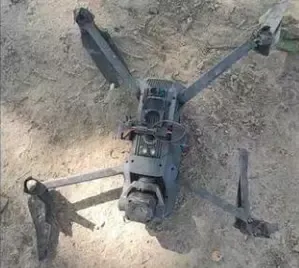
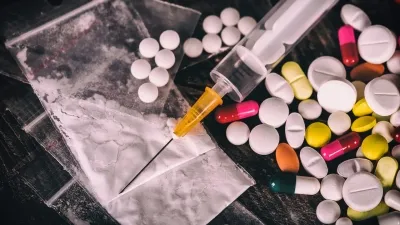
New Delhi, Dec 4 (NationPress) Recent months have seen a surge in drug seizures across Punjab by local law enforcement and central agencies, triggered by intelligence alerts regarding the escalation of narcotics operations aimed at financing terror activities, particularly the Khalistan movement.
Officials indicate that global drug cartels are specifically designed to fund the Khalistan initiative.
According to an Intelligence Bureau representative, while the narcotics entering India are intended to support the Khalistan movement in Punjab, there are parallel operations run primarily by Punjabi-Canadians.
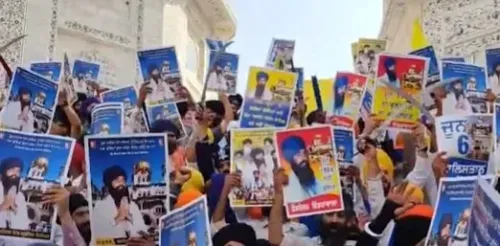
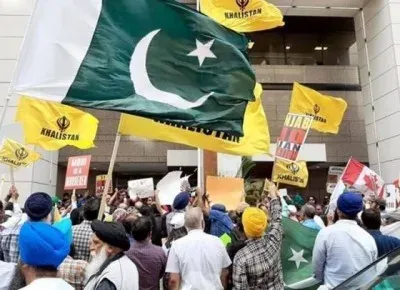
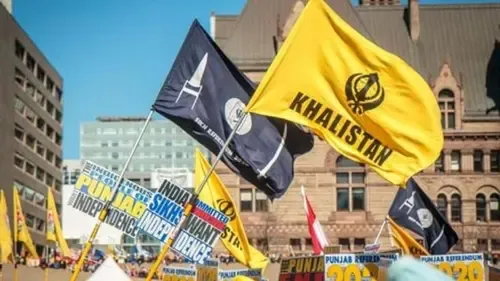
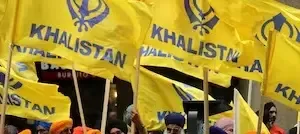
In the wake of a crackdown in India that diminished the Khalistan movement, many individuals relocated abroad, largely settling in Canada, where they have gained significant political clout and protection due to their substantial voter base.
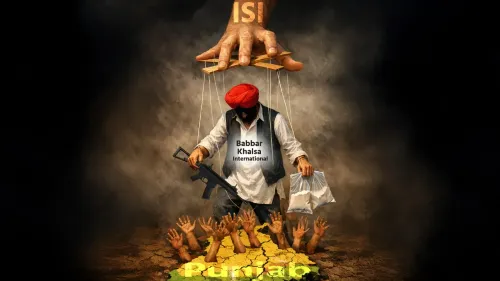
The ISI has been instrumental in establishing this expansive network over time, recognizing that drug money is essential for the Khalistanis to operate effectively.
In Canada, illicit trucking companies serve as a facade for drug transportation.
This past February, Peel regional police confiscated 479 kilograms of cocaine concealed in truck trailers entering from the United States, resulting in the arrest of nine individuals, including six Indo-Canadian men.
With approximately 800,000 Sikhs residing in Canada, only a small minority supports the Khalistan movement, implying that the majority do not contribute to its financing.
However, Khalistani terror organizations require substantial funds to sustain their operations, making drug trafficking a lucrative avenue.
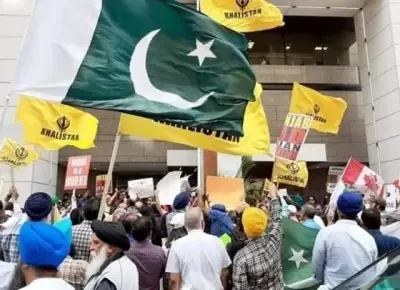
Banned groups like Sikhs for Justice (SFJ) conduct referendums in various countries, which incur significant costs for staging, transportation, ballot printing, venue rentals, and advertising, according to officials.
Investigations suggest that a large portion of the financing for these referendums stems from drug-related revenue.
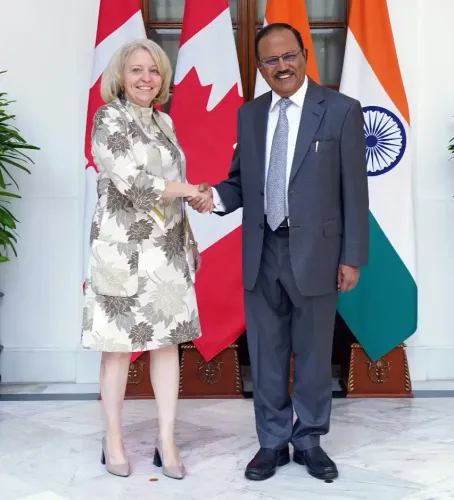
India has repeatedly highlighted the issue, asserting that the inadequate suppression of these narcotic networks poses a security threat. While funds are funneled to terror groups for referendums, a significant amount is also designated to revive the Khalistan movement within India.
The assassination of Hardeep Singh Nijjar of the Khalistan Tiger Force (KTF) in Canada turned into a significant diplomatic controversy, with the Trudeau administration accusing Indian agents of involvement.
However, Indian agencies discovered that the conflict arose from a drug deal dispute, with Nijjar entangled in a rivalry over drug routes. Two of those arrested were linked to criminal networks involved in drug and arms trafficking.
Officials in India caution that the situation is deteriorating. In the 1980s, the Babbar Khalsa International raised funds through extortion and arms smuggling, whereas today, there is a complete dependence on drugs.
One official stated, "The drug crisis is escalating, and the ISI is urging these factions to broaden their operations. The revenue being generated is substantial. We have observed an increase in activities, with a significant push to rejuvenate the Khalistan movement on a grander scale. This will necessitate more propaganda, enhanced social media engagement, radicalization, and referendums, all of which require funding. The ISI's influence in expanding drug trade operations indicates a more significant agenda ahead," the official remarked.
Recently, the US Drug Enforcement Agency (DEA) uncovered an international drug syndicate linked to the ISI and Canada. An Indo-Canadian gangster, Opinder Singh Sian, was apprehended for operating a global fentanyl and methamphetamine trafficking network. The Brothers' Keepers gang, to which he belongs, actively supports the Khalistan movement.
India is vigilantly monitoring these developments and taking measures to prevent cartel funds from reaching its territory. While India has successfully curtailed the movement domestically, officials suggest that the problem is poised to escalate significantly beyond India, as the drive for Khalistan funding has surged tremendously.
Point of View
The resurgence of the Khalistan movement through drug funding is a concerning development for India. It not only highlights the challenges posed by international narcotics networks but also underscores the importance of vigilant counter-terrorism measures. The connection between organized crime and political movements is a reminder that security must remain a top priority for our nation.
NationPress
23 Sept 2026
Frequently Asked Questions
What is the Khalistan movement?
The Khalistan movement advocates for a separate Sikh state in India, primarily in Punjab, and has historical roots linked to various political and social issues.
How are drug cartels connected to the Khalistan movement?
Intelligence reports suggest that drug cartels are being used to fund the Khalistan movement, with operations run mainly by Punjabi-Canadians and supported by the ISI.
What actions are Indian agencies taking against drug trafficking?
Indian agencies are actively conducting drug busts and monitoring international networks to prevent funds from reaching terror organizations associated with the Khalistan movement.
Why is this issue significant for India?
The connection between drug funding and terrorism poses a serious security threat, potentially reviving past conflicts and creating instability within the region.
What has been the international response?
The international community is increasingly aware of the links between drug trafficking, organized crime, and political movements, leading to heightened scrutiny and cooperation in combating these issues.