Did Tourism Increase Fivefold After the Cheetah Project's Success?
Synopsis
Discover how the successful implementation of the cheetah reintroduction project at Kuno National Park has led to a remarkable fivefold increase in tourism in Madhya Pradesh. Chief Minister Mohan Yadav highlights the project's international significance and its positive impact on local communities.
Key Takeaways
Fivefold increase in tourism in Madhya Pradesh due to cheetah project.
Kuno National Park is now an international wildlife destination .
Successful birth of cheetah cubs signifies a healthy population .
Community engagement is vital for coexistence with wildlife .
Government support is crucial for conservation efforts .
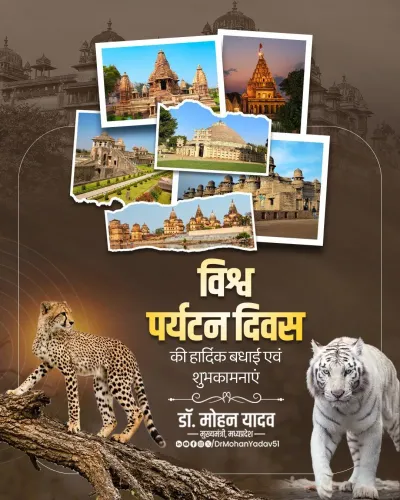
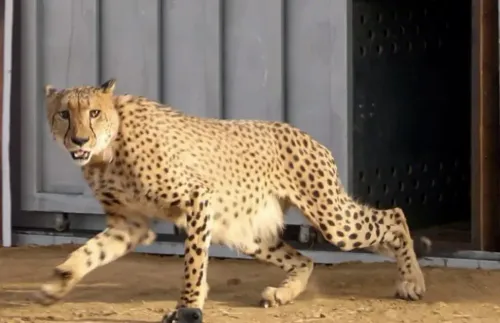
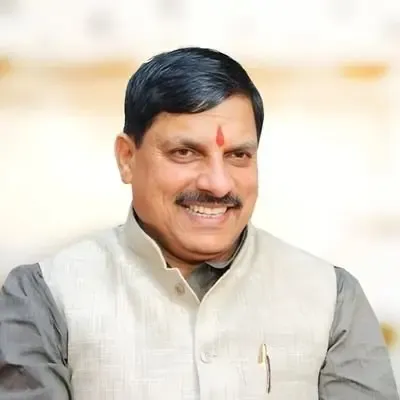
Sheopur, Dec 4 (NationPress) Madhya Pradesh Chief Minister Mohan Yadav announced on Thursday that tourism within the state has experienced a remarkable fivefold increase due to the successful cheetah reintroduction initiative at Kuno National Park and Gandhi Sagar Wildlife Sanctuary.
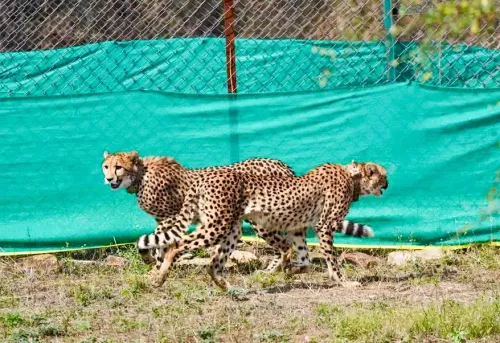
During a ceremonial gathering in celebration of International Cheetah Day, Yadav released an African female cheetah named Veera along with her two 10-month-old cubs into the wild at Kuno.
He also introduced the Kuno National Park Calendar–2026, published a book titled Field Manual for Clinical Management of Free-Ranging Cheetahs in Kuno National Park, and inaugurated a souvenir shop.
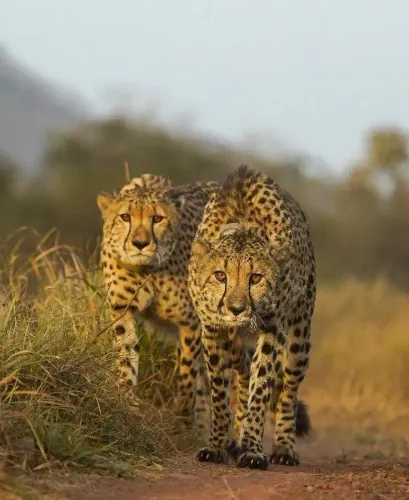
“Thanks to the successful rehabilitation of cheetahs, Kuno National Park has become a site of international significance. The third-generation cheetahs born on Indian soil are now thriving in the wild,” Yadav stated, mentioning that these magnificent animals have extended their territory from Sheopur to Morena and into Rajasthan.
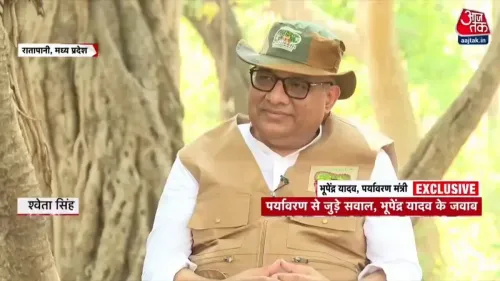
The Chief Minister expressed gratitude towards Prime Minister Narendra Modi and Union Environment Minister Bhupender Yadav for their pivotal roles in launching this project.
On September 17, 2022, PM Modi had released eight Namibian cheetahs at Kuno, followed by an additional twelve from South Africa on February 18, 2023.
Despite early challenges, including the unfortunate loss of several cheetahs, the program now proudly supports 32 cheetahs in Madhya Pradesh.
A significant milestone occurred on November 20 when an Indian-born female cheetah, Mukhi, gave birth to five cubs, all of whom have survived.
Yadav pointed out that the increasing cheetah population has generated job opportunities for resettled communities around Kuno, who have successfully adapted to coexist with these majestic big cats.
Point of View
I observe that the successful reintroduction of cheetahs in Madhya Pradesh has become a noteworthy example of wildlife conservation efforts. The significant increase in tourism underscores the economic potential of such initiatives, while also highlighting the importance of community involvement in coexisting with wildlife. This project showcases a balanced approach to conservation and development.
NationPress
3 Oct 2026
Frequently Asked Questions
What is the significance of the cheetah reintroduction project?
The cheetah reintroduction project aims to restore the population of cheetahs in India, enhancing biodiversity and promoting wildlife tourism in the region.
How has tourism been affected by the project?
Tourism in Madhya Pradesh has surged fivefold due to the increased interest in wildlife experiences at Kuno National Park and surrounding areas.
Who is responsible for launching the project?
The project was initiated by Prime Minister Narendra Modi and Union Environment Minister Bhupender Yadav, highlighting the government's commitment to wildlife conservation.
What recent milestones have been achieved in the project?
A significant milestone was reached when an Indian-born female cheetah named Mukhi gave birth to five healthy cubs, contributing to the growing cheetah population.
How has the local community benefited from the project?
The growing cheetah population has created employment opportunities for resettled communities around Kuno, promoting coexistence with wildlife.