India-Bhutan healthcare cooperation: FICCI delegation meets PM Tobgay in Thimphu
Synopsis
A FICCI-led Indian medical value travel delegation secured direct guidance from Bhutan's Prime Minister and Health Minister in Thimphu, signalling a push to institutionalise referral pathways and capacity-building frameworks between the two countries — a move that blends diplomatic intent with private-sector healthcare ambition.
Key Takeaways
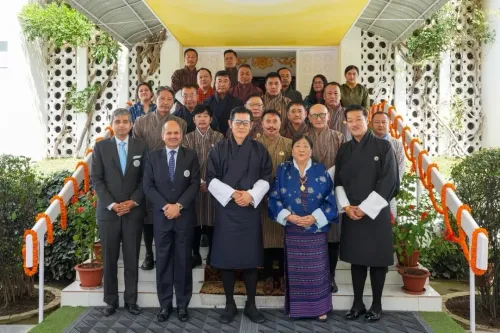
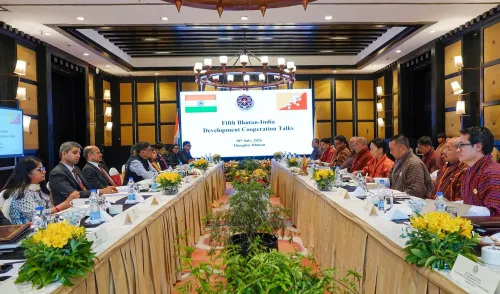
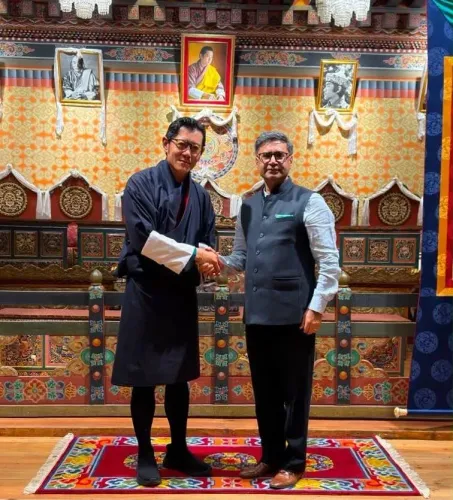
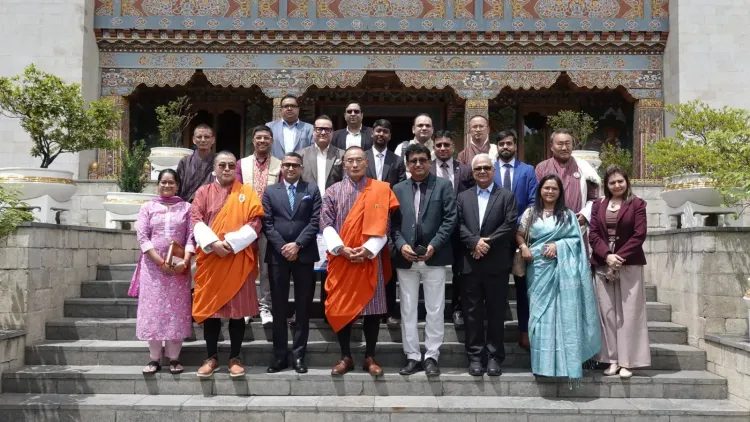
A FICCI -led Indian medical value travel delegation met Bhutan PM Dasho Tshering Tobgay and Health Minister Tandin Wangchuk in Thimphu on 21 August 2026 .
Discussions covered specialised healthcare services , medical value addition , and capacity building between India and Bhutan.
The delegation also met Dasho Pemba Wangchuk (Secretary, Ministry of Health), the Indian Ambassador , and Pem Namgyal of JDWNRH on 19–20 August 2026 .
Three India-supported HICDP infrastructure projects in Panbang, Zhemgang were inaugurated, totalling over Nu 30.7 million .
The visit was facilitated by the Embassy of India in Bhutan and represents a shift toward industry-led bilateral healthcare engagement.
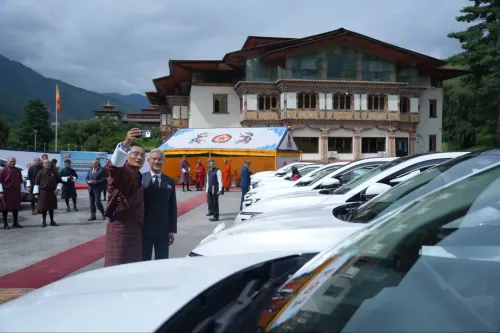
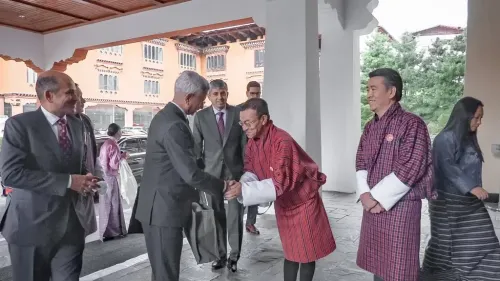
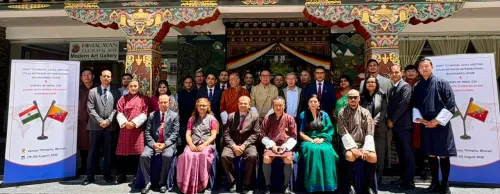
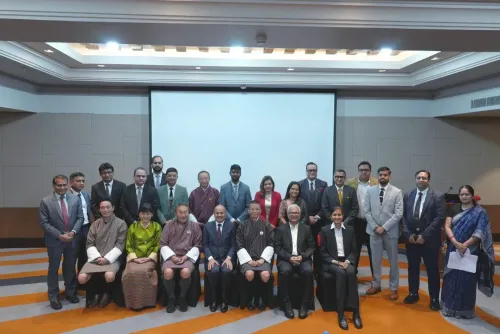
A high-level Indian medical value travel delegation, coordinated by the Federation of Indian Chambers of Commerce and Industry (FICCI), met Bhutan Prime Minister Dasho Tshering Tobgay and Health Minister Tandin Wangchuk in Thimphu on 21 August 2026, receiving guidance to deepen bilateral cooperation in specialised healthcare services, medical value addition, and capacity building. The visit, facilitated by the Embassy of India in Bhutan, marks a structured push to formalise India-Bhutan medical travel ties.
Key Meetings and Discussions
The delegation held wide-ranging consultations with senior Bhutanese officials, healthcare institutions, and representatives from the travel sector on 19 and 20 August 2026. The sessions were attended by Dasho Pemba Wangchuk, Secretary of the Ministry of Health, Bhutan; the Indian Ambassador to Bhutan; and Pem Namgyal, President of the Jigme Dorji Wangchuck National Referral Hospital (JDWNRH) and the Khesar Gyalpo University of Medical Sciences of Bhutan.
According to the Embassy of India in Bhutan, participants discussed opportunities spanning quality and specialised healthcare services as well as capacity-building collaboration — areas where Indian hospitals have historically served Bhutanese patients seeking tertiary care.
What the Delegation Sought
Medical value travel — whereby patients travel internationally for cost-effective, high-quality treatment — is a growing segment for Indian hospitals, particularly in oncology, cardiology, and orthopaedics. Bhutan has traditionally referred complex cases to Indian medical centres, and this delegation aimed to institutionalise those referral pathways while exploring new capacity-building frameworks.
The FICCI-led grouping represents a cross-section of Indian healthcare providers and travel facilitators, signalling that the push is industry-led as much as it is diplomatic.
India-Supported Development Projects in Bhutan
Separately, on Monday, three High Impact Community Development Projects (HICDP) in Panbang, Zhemgang were inaugurated. The projects — all supported by India — are designed to improve market access for agricultural produce, enhance livelihoods, and raise the quality of life for residents of Panbang.
The three projects are: Blacktopping of Gewog Centre–Lichibi Farm Road (valued at Nu 20 million), Road Construction/GSB of Lamthang Chiwog Road (Nu 5.7 million), and Road Improvement of Budhashi Chiwog Road (Nu 5 million).
Broader Context
This comes amid a sustained phase of India-Bhutan engagement that spans health, infrastructure, and people-to-people connectivity. Bhutan has long been one of India's closest strategic partners in South Asia, and healthcare cooperation has emerged as a tangible, citizen-facing dimension of that relationship. Notably, the Embassy's active facilitation of a private-sector delegation underscores New Delhi's intent to move beyond government-to-government frameworks and bring industry into the bilateral fold.
With formal guidance now received from Bhutan's Prime Minister and Health Minister, the next step will likely involve structured agreements or memoranda of understanding between Indian healthcare institutions and their Bhutanese counterparts.
Point of View
But the absence of structured agreements has left patients navigating ad hoc arrangements. The real test of this visit is whether it produces binding frameworks — memoranda of understanding, accreditation linkages, or dedicated referral protocols — or remains at the level of 'guidance received.' India's simultaneous push on infrastructure projects in Zhemgang reinforces a pattern of bundling people-centric development with diplomatic engagement, a model New Delhi has refined across its neighbourhood.
NationPress
5 Oct 2026
Frequently Asked Questions
What was the purpose of the FICCI medical delegation's visit to Bhutan?
The FICCI-led Indian medical value travel delegation visited Bhutan on 19–20 August 2026 to explore cooperation in specialised healthcare services, medical value addition, and capacity building. The delegation met Bhutan's Prime Minister and Health Minister to receive guidance on strengthening bilateral healthcare ties.
Who did the Indian delegation meet in Bhutan?
The delegation met Bhutan Prime Minister Dasho Tshering Tobgay, Health Minister Tandin Wangchuk, Health Secretary Dasho Pemba Wangchuk, the Indian Ambassador to Bhutan, and Pem Namgyal, President of the Jigme Dorji Wangchuck National Referral Hospital and the Khesar Gyalpo University of Medical Sciences of Bhutan.
What are the India-supported development projects inaugurated in Bhutan?
Three High Impact Community Development Projects (HICDP) were inaugurated in Panbang, Zhemgang: the Blacktopping of Gewog Centre–Lichibi Farm Road (Nu 20 million), Road Construction/GSB of Lamthang Chiwog Road (Nu 5.7 million), and Road Improvement of Budhashi Chiwog Road (Nu 5 million). The projects aim to improve agricultural market access and livelihoods.
Why does India-Bhutan healthcare cooperation matter?
Bhutan has historically referred complex medical cases to Indian hospitals for tertiary care. Formalising these referral pathways and adding capacity-building frameworks could benefit Bhutanese patients with faster, more structured access to specialised treatment while expanding India's medical value travel sector.
What is medical value travel and why is India promoting it with Bhutan?
Medical value travel refers to patients travelling internationally for cost-effective, high-quality medical treatment. India is promoting it with Bhutan to institutionalise existing informal referral flows — particularly in oncology, cardiology, and orthopaedics — and to bring Indian private healthcare providers into a structured bilateral framework.