India-Bhutan boundary talks: Joint work programme finalised in Thimphu
Synopsis
India and Bhutan have quietly but deliberately deepened their boundary management framework — finalising a joint work programme in Thimphu just weeks after Foreign Secretary Vikram Misri's visit. With King Jigme Khesar also engaging the Bhutan India Friendship Association at India House, the signals point to a sustained, multi-track effort to lock in bilateral ties at both the technical and people-to-people level.
Key Takeaways
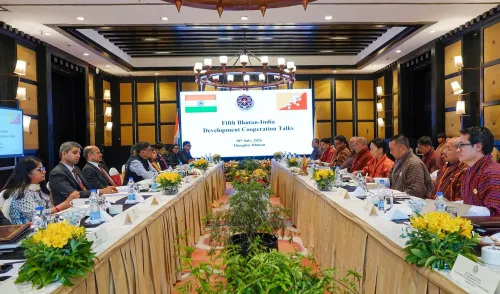
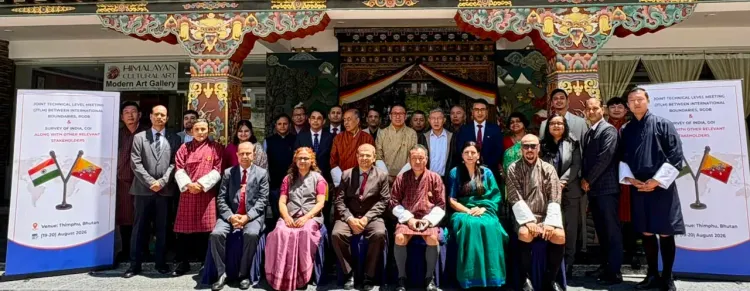
A Joint Technical Meeting between the Survey of India and Bhutan's National Land Commission was held in Thimphu on 19–20 August 2026 .
The meeting reviewed bilateral boundary coordination and the use of emerging technology , and finalised a joint work programme for the upcoming period.
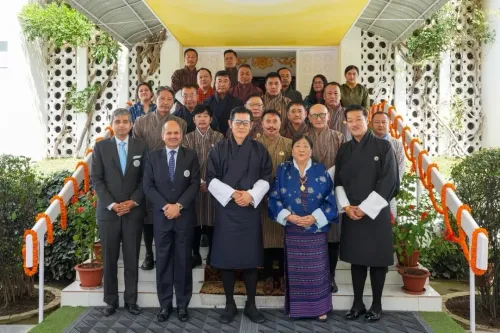
King Jigme Khesar Namgyel Wangchuck and Ashi Deki Yangzom met Bhutan India Friendship Association office-bearers from six chapters at India House .
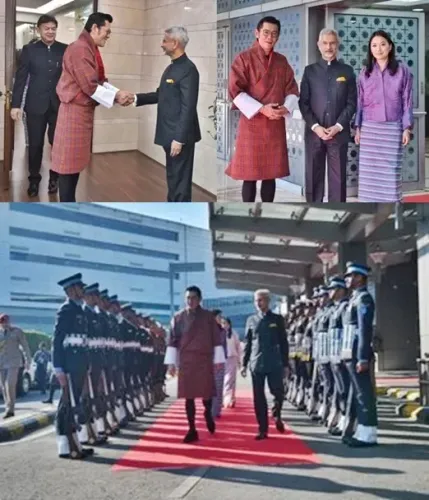
The engagement follows Foreign Secretary Vikram Misri 's visit to Bhutan last month, where he met PM Dasho Tshering Tobgay and the King.
Bilateral discussions covered development partnership, energy, trade, connectivity, and regional issues, according to the MEA .
A Joint Technical Meeting between the Survey of India and the International Boundaries unit of the National Land Commission of Bhutan convened in Thimphu on 19–20 August 2026, reviewing ongoing efforts to maintain and coordinate the bilateral boundary between the two nations. The Indian Embassy in Bhutan announced the outcome on 21 August 2026, confirming that the two sides had finalised a joint work programme for the upcoming period.
Key Developments from the Technical Meeting
According to the Embassy, the two-day meeting examined the use of emerging technology in boundary management and coordination. Beyond reviewing progress, both delegations agreed on a structured joint work programme to guide activities in the months ahead. The meeting reflects the technical depth that underpins the India-Bhutan bilateral relationship — one that extends well beyond diplomatic exchanges.
King of Bhutan Meets India House Representatives
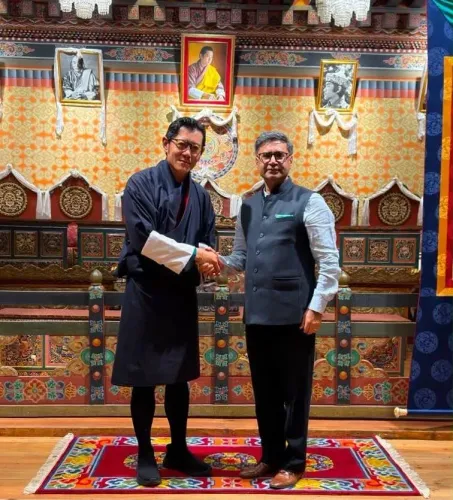
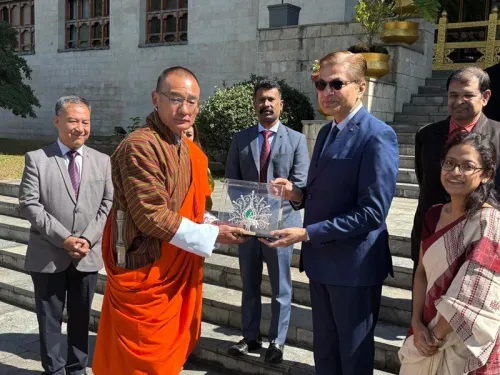
Separately, King Jigme Khesar Namgyel Wangchuck and his wife Ashi Deki Yangzom met office-bearers of the Bhutan India Friendship Association at India House in Thimphu. Representatives from chapters across Thimphu, Phuentsholing, Samtse, Gelephu, Nganglam, and Samdrup Jongkhar attended the gathering. The Embassy expressed its commitment to strengthening people-to-people and community-level connections as part of what it described as the 'unique friendship' between the two countries.
Context: Foreign Secretary Misri's Bhutan Visit
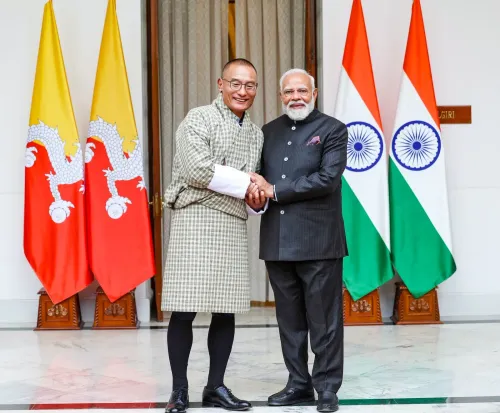
The boundary talks and royal engagement follow Foreign Secretary Vikram Misri's visit to Bhutan last month, during which he met Bhutanese Prime Minister Dasho Tshering Tobgay in Thimphu. The Ministry of External Affairs (MEA) noted that both sides discussed all aspects of bilateral cooperation, including development partnership, energy, trade and investment, connectivity, people-to-people ties, and regional issues of mutual importance.
Misri also called on King Jigme Khesar Namgyel Wangchuck during that visit. The King reiterated Bhutan's support for strengthening ties with India, while Prime Minister Tobgay conveyed appreciation for the progress in bilateral relations and India's continued support for Bhutan's development.
Why This Matters
India and Bhutan share a 699-kilometre border, and the technical coordination of that boundary has strategic significance — particularly given the broader regional context involving China's boundary claims in the area. The finalisation of a joint work programme signals institutional continuity in a relationship that both governments regard as a cornerstone of their respective foreign policies. Notably, this is one of the few bilateral boundaries in the region managed through active, structured technical cooperation rather than periodic diplomatic negotiation alone.
Point of View
But the timing is deliberate. Coming weeks after Foreign Secretary Misri's Thimphu visit and alongside a royal-level engagement with the Bhutan India Friendship Association, New Delhi is clearly working to reinforce the relationship on multiple tracks simultaneously. The subtext is regional: China has pressed Bhutan on boundary claims for years, and India's investment in technical boundary cooperation is as much about strategic reassurance as it is about cartography. The question is whether this institutional momentum translates into visible deliverables — on energy, connectivity, and the Gelephu Mindfulness City project — before Bhutan's own political calendar creates new variables.
NationPress
5 Oct 2026
Frequently Asked Questions
What was decided at the India-Bhutan Joint Technical Meeting in Thimphu?
The Joint Technical Meeting, held on 19–20 August 2026, reviewed ongoing bilateral boundary coordination and the application of emerging technology in boundary management. The two sides finalised a joint work programme to govern activities in the coming period.
Who participated in the Joint Technical Meeting?
The meeting brought together representatives from the Survey of India and the International Boundaries unit of the National Land Commission of Bhutan. It was held in Thimphu over two days.
What was the significance of King Jigme Khesar's meeting at India House?
King Jigme Khesar Namgyel Wangchuck and Ashi Deki Yangzom met Bhutan India Friendship Association office-bearers from six chapters — Thimphu, Phuentsholing, Samtse, Gelephu, Nganglam, and Samdrup Jongkhar — at India House, signalling a focus on community-level ties alongside official diplomacy.
How does this relate to Foreign Secretary Vikram Misri's recent Bhutan visit?
Foreign Secretary Vikram Misri visited Bhutan last month and met both Prime Minister Dasho Tshering Tobgay and King Jigme Khesar. Both sides discussed development partnership, energy, trade, connectivity, and regional issues, laying the groundwork for the technical and people-to-people engagements that followed.
Why is India-Bhutan boundary coordination strategically important?
India and Bhutan share a roughly 699-kilometre border. Active technical coordination of this boundary holds strategic significance given China's longstanding boundary claims in the region. The joint work programme reflects both countries' interest in maintaining institutional stability along their shared frontier.