KPCC files unconditional apology in SC over post targeting Chief Justice
Synopsis
The KPCC has filed an unconditional apology in the Supreme Court over a post targeting the Chief Justice of India, introducing a two-tier approval system to prevent recurrence. Simultaneously, a new petition has dragged Rahul Gandhi and the KPCC as respondents, seeking a formal code of conduct for political parties on judicial commentary — a move that could redefine the boundary between political speech and contempt.
Key Takeaways
The KPCC filed an affidavit in the Supreme Court on 20 November 2026 tendering an unconditional apology over a social media post targeting the Chief Justice of India .
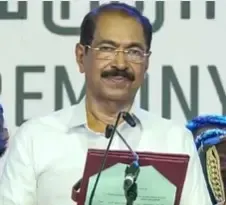
KPCC president Sunny Joseph , also State Electricity Minister , personally signed the affidavit expressing deep regret.
The party has introduced a two-tier approval system for all social media posts and restricted the number of account administrators.
A separate petition has been filed in the Supreme Court making Rahul Gandhi and the KPCC respondents, seeking a formal code of conduct for political parties on judiciary-related statements.
The petitioner has also sought Election Commission of India enforcement of the proposed code and an interim order for removal of controversial judicial posts.
The Kerala Pradesh Congress Committee (KPCC) has filed an affidavit in the Supreme Court tendering an unconditional apology over a controversial social media post that targeted the Chief Justice of India, and has urged the court to close the contempt proceedings initiated against it. The affidavit was filed on 20 November 2026 on behalf of the KPCC by its counsel.
What the Apology Affidavit Says
KPCC president Sunny Joseph, who also serves as the State Electricity Minister, stated in the affidavit that the party deeply regretted the post and tendered an unconditional apology. He assured the court that adequate caution would be exercised in all future social media communications.
The affidavit further detailed corrective steps introduced by the party to prevent a recurrence. The KPCC said it has made a two-tier approval system mandatory for all future social media posts and has restricted the number of administrators managing its social media accounts.
The Party's Plea to the Court
The KPCC urged the Supreme Court to accept its apology and bring the contempt proceedings to a close, stating that it had taken concrete steps to ensure greater responsibility in its online communications. The party argued that the institutional safeguards now in place represent a credible commitment to preventing similar incidents.
Fresh Petition Seeks Code of Conduct for Political Parties
The controversy has since triggered a parallel legal move. A new petition has been filed in the Supreme Court making Congress leader Rahul Gandhi and the KPCC respondents. The petition, filed by an advocate, seeks the formulation of a formal code of conduct governing statements by political parties on the judiciary and its enforcement through the Election Commission of India (ECI).
The petitioner argued that political parties should be restrained from making statements that could undermine the independence of the judiciary or exert pressure on judges in the discharge of their duties. It has also sought an interim direction for the removal of controversial social media posts related to the judiciary.
Broader Implications for Judicial Independence
This comes amid growing concern over the intersection of social media and judicial accountability in India. Critics argue that targeted online posts against sitting judges — particularly the Chief Justice — risk creating a chilling effect on judicial decision-making. Notably, this is not the first time a political party's digital communications have drawn contempt scrutiny from the Supreme Court.
The dual proceedings — the KPCC's apology on one track and the fresh petition seeking systemic reform on the other — signal that the fallout from the original post is far from settled. How the Supreme Court responds to both the apology and the new petition could set a significant precedent for regulating political speech about the judiciary.
Point of View
But it raises an uncomfortable question: who approved the original post? The affidavit focuses on future safeguards while remaining silent on internal accountability for the act that triggered contempt. The parallel petition seeking a judiciary code of conduct for political parties is the more consequential development — if the Supreme Court entertains it, the Election Commission could gain a new and largely untested mandate over political speech. That is a significant expansion of regulatory reach, and one that could cut across party lines in ways its petitioner may not have fully anticipated.
NationPress
20 Nov 2026
Frequently Asked Questions
Why did the KPCC file an apology in the Supreme Court?
The KPCC filed an unconditional apology in the Supreme Court after being drawn into contempt proceedings over a social media post that targeted the Chief Justice of India. The party sought closure of those proceedings, expressing deep regret and outlining corrective measures.
What corrective steps has the KPCC announced?
The KPCC has introduced a two-tier approval system for all future social media posts and restricted the number of administrators handling its accounts. These measures were detailed in the affidavit filed before the Supreme Court on 20 November 2026.
What is the new petition filed in the Supreme Court?
A fresh petition filed by an advocate has made Congress leader Rahul Gandhi and the KPCC respondents, seeking a formal code of conduct for political parties governing their statements on the judiciary. It also asks the Election Commission of India to enforce the code and seeks an interim direction for removal of controversial judicial posts.
Who signed the KPCC apology affidavit?
KPCC president Sunny Joseph, who also holds the position of State Electricity Minister in Kerala, signed the affidavit on behalf of the party.
What could the new petition mean for political parties in India?
If accepted by the Supreme Court, the petition could lead to enforceable restrictions on how political parties comment on the judiciary, with the Election Commission as the regulatory body. This would mark a significant shift in the boundary between political speech and contempt of court in India.