CM Dhami Greets Uttarakhand on Igasa (Budi Diwali)
Synopsis
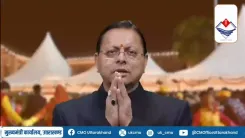
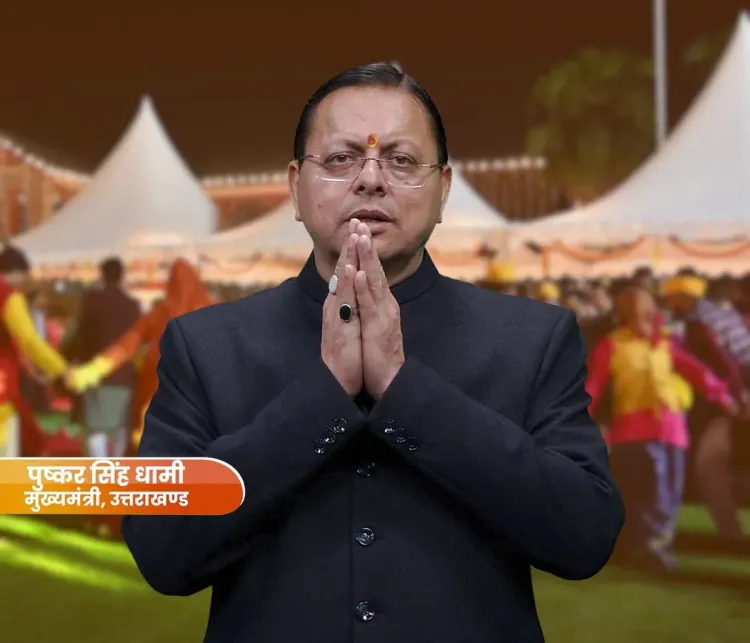
Uttarakhand CM Pushkar Singh Dhami greeted state residents on Igasa (Budi Diwali) on 20 November 2026, calling the Pahari folk festival a celebration of mountain heritage, community bonds, and living tradition — and urging its passage to future generations.
Key Takeaways
CM Pushkar Singh Dhami extended Igasa (Budi Diwali) greetings to all Uttarakhand residents on 20 November 2026 .
Igasa , also called Budi Diwali , is a post-Diwali folk festival unique to Uttarakhand's Pahari communities.
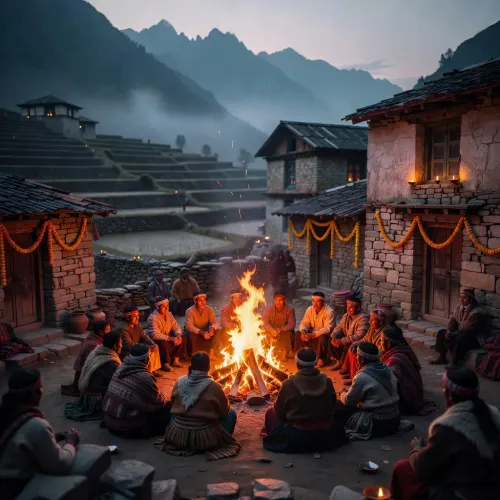
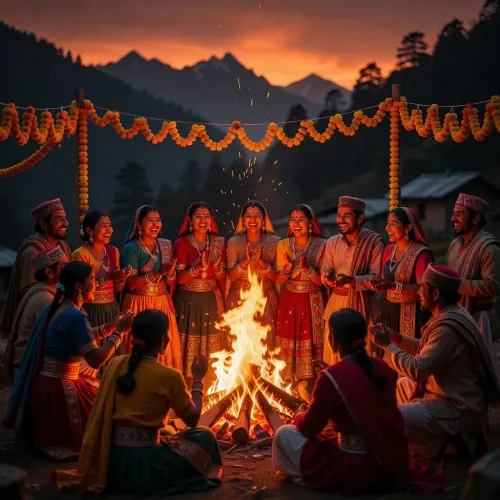
The festival is marked by community bonfires ( bhelo ), circle dances, and traditional folk songs.
Dhami described Igasa as a symbol of connection to the land, loved ones, and the 'rich cultural heritage of the mountains.' He called on residents to pledge to carry Pahari folk traditions forward to the next generation.
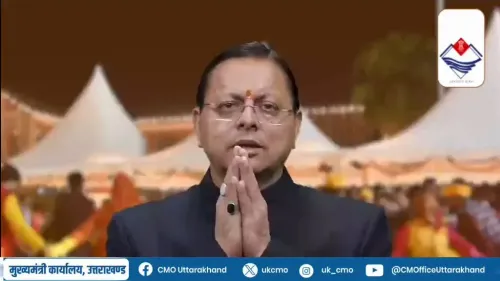
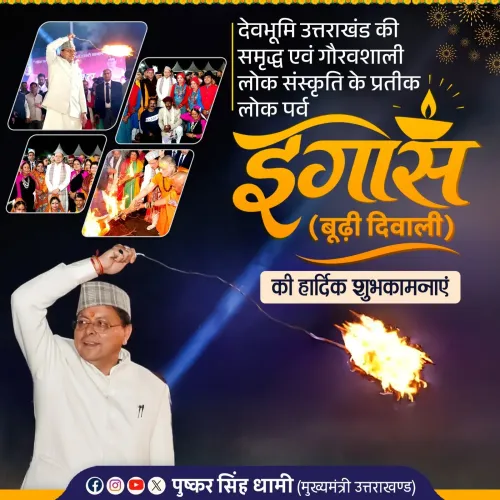
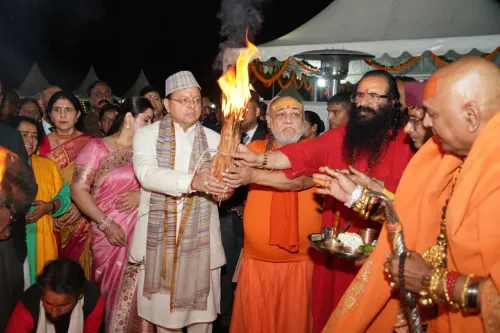
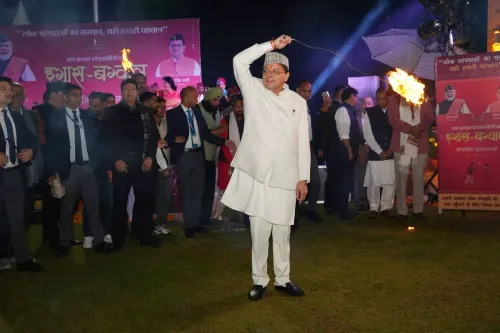
High in the Himalayas, long after the plains have put away their Diwali diyas, Uttarakhand's hills light up all over again — and Uttarakhand Chief Minister Pushkar Singh Dhami marked that moment on Friday, 20 November 2026, extending warm wishes to every resident of the state on the occasion of Igasa, the beloved folk festival also known as Budi Diwali.
Posting in Hindi, CM Dhami described Igasa as far more than a festival. 'इगास केवल एक पर्व नहीं' — 'Igasa is not merely a festival,' he wrote, calling it a celebration of the land itself, of bonds with loved ones, and of the 'rich cultural heritage of the mountains.' He urged people to embrace the festivities — the glow of lamps, the exuberance of bhelo (the traditional bonfire ritual), and the sweet resonance of folk songs — and to pledge to carry these traditions forward to the next generation.What Makes Igasa Distinct from Diwali
Uttarakhand's Pahari communities have long observed a cultural calendar that follows its own rhythm. Igasa falls after the main Diwali celebrations, rooted in a folk legend that soldiers and farmers in remote mountain villages received the news of Lord Ram's return to Ayodhya only days after the plains had already celebrated. Rather than let the moment pass, they lit their own fires and sang their own songs — and that defiant, joyful tradition endures to this day. The festival is marked by community bonfires called bhelo, circle dances, and the singing of traditional Pahari geets, making it as much a collective social ritual as a religious one.Dhami's Consistent Push for Mountain Cultural Identity
For CM Dhami, the greeting is part of a broader political and cultural posture. Uttarakhand leaders across administrations have used regional festivals as anchors for asserting the state's distinct Pahari identity — separate and proudly different from the plains traditions of the larger Hindi heartland. Dhami has been a consistent voice in this space, regularly amplifying folk customs, local dialects, and mountain heritage on public platforms. The gesture resonates especially with rural and hill communities who see in Igasa a living link to ancestors and a landscape that shapes every aspect of daily life.Point of View
Plains-dominated Hindi heartland. For the BJP in Uttarakhand, amplifying Pahari folk culture serves both a sentimental and an electoral purpose, deepening roots in hill constituencies. The repeated official celebration of festivals like Igasa also feeds into the broader national political project of foregrounding local cultural traditions as sources of pride and continuity. Whether these greetings translate into substantive cultural policy — funding for folk arts, documentation of Pahari traditions — remains the more consequential question.
NationPress
20 Nov 2026
Frequently Asked Questions
What is Igasa or Budi Diwali?
Igasa, also called Budi Diwali or 'Old Diwali,' is a folk festival celebrated in Uttarakhand's Pahari communities after the main Diwali. It is rooted in a tradition that remote mountain villages received news of Lord Ram's return days late and so lit their own fires and held celebrations, a custom that continues through community bonfires (bhelo), folk dances, and traditional songs.
When is Igasa (Budi Diwali) celebrated?
Igasa is celebrated after the main Diwali festival, typically about 11 days later, in the month of Kartik according to the Hindu calendar. In 2026, CM Dhami extended greetings on 20 November.
What did CM Pushkar Singh Dhami say about Igasa?
CM Dhami called Igasa 'not merely a festival' but a celebration of connection to the land, bonds with loved ones, and the rich cultural heritage of the mountains. He urged people to celebrate with the glow of lamps, the bhelo bonfire ritual, and folk songs, and to pledge to carry these traditions to future generations.
What is bhelo in the Igasa festival?
Bhelo refers to the traditional community bonfire ritual that is central to Igasa celebrations in Uttarakhand. Communities gather around large fires, sing Pahari folk songs, and perform circle dances, making it a deeply communal and joyful occasion.
Why do Uttarakhand leaders celebrate Pahari festivals publicly?
Uttarakhand leaders across political parties have consistently highlighted Pahari customs and folk festivals to affirm the state's distinct cultural identity, separate from plains traditions. For CM Dhami and the BJP, these occasions reinforce community ties and cultural pride among hill constituencies.