CM Bhupendra Patel's Day 2 in Dahod: Forests to Farmyards
Synopsis
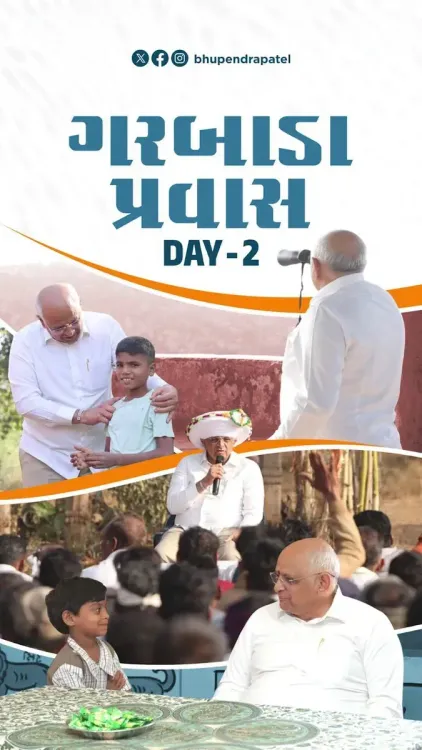
Gujarat CM Bhupendra Patel concluded the second day of a grassroots tour of Dahod, visiting Ratanmahal forests, a Babadeo temple, an Anganwadi centre, and a public grievance hearing, before sharing an evening meal with the Rathod family in a show of unscripted tribal outreach.
Key Takeaways
Gujarat Chief Minister Bhupendra Patel completed Day 2 of a multi-day tour of Dahod district on 20 November 2026 .
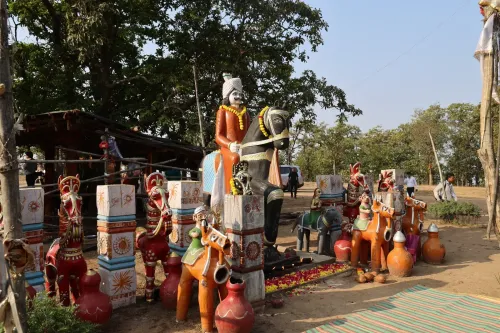
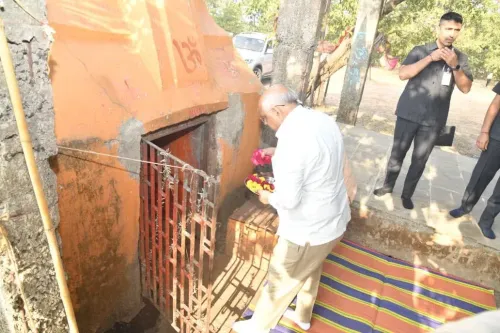
The day's itinerary spanned the Ratanmahal forests , a morning darshan at Babadeo temple , and an unannounced visit to a farmer family's home in Pipargota .
CM Patel interacted with children at a local Anganwadi centre under the Integrated Child Development Services programme.
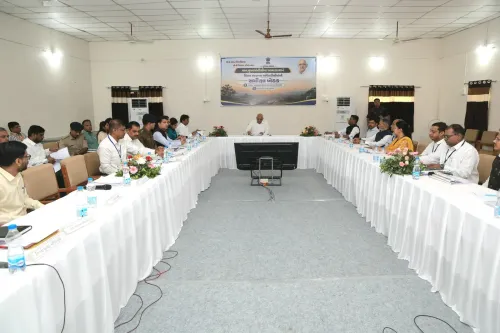
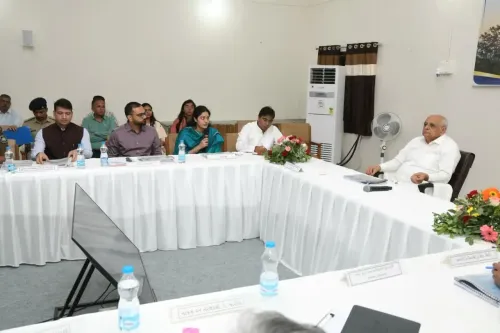
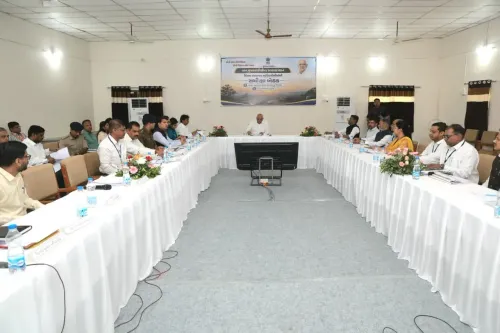
A jan sunvai (public grievance hearing) was held, with residents presenting concerns directly to the Chief Minister.
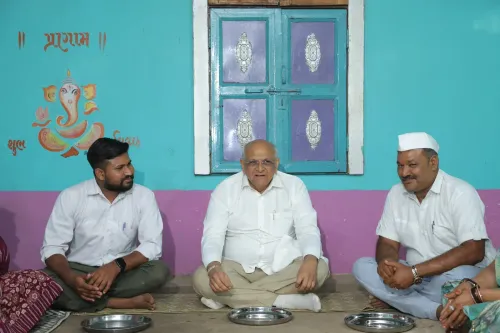
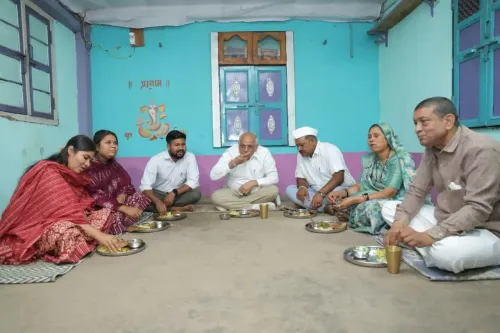
The evening concluded with traditional desi bhojan and bhajan-kirtan at the Rathod family 's home in Garbada.
Dahod is one of Gujarat's most prominent Adivasi districts ; Gujarat governments have regularly used informal multi-day tours here to gather direct public feedback.
Unannounced at a farmer's door in Pipargota one moment, seated cross-legged for desi bhojan and bhajan-kirtan at the Rathod family's courtyard the next — Gujarat Chief Minister Bhupendra Patel wrapped up the second day of his tribal-belt tour of Dahod district on Friday, 20 November 2026, trading the formality of a circuit house for the warmth of living rooms and the shade of ancient forests.
Posting a Gujarati account of the day on X, CM Patel described the journey as a genuine 'jan-man' — a connection of people and soul — that stretched from the wildlife-rich Ratanmahal forests to the village lanes of Garbada taluka. The day began with a morning darshan at the Babadeo temple, one of the region's most revered tribal shrines, before the Chief Minister walked into a farmer family's home at Pipargota without prior notice.
Anganwadi children, a surprise farm visit, and a public hearing
The unscripted stops defined the day. At a local Anganwadi centre — part of the national Integrated Child Development Services programme — the Chief Minister spent time with toddlers whose, as he put it, 'innocent laughter' punctuated the visit. These government-run early-childhood centres are a frontline welfare node in Dahod's tribal villages, and a direct look-in by the state's top executive carries real signal value for local workers.
A jan sunvai — a public grievance hearing — followed, where residents lined up to place concerns directly before the Chief Minister. Patel described the turnout as a reflection of citizens' 'unbreakable trust.' Gujarat governments have conducted such district-level hearings in tribal belts for years, using them as a pressure valve for local infrastructure and agriculture complaints that do not always travel up through formal bureaucratic channels.
Dinner at the Rathod home — no protocol, no podium
The evening's centrepiece was deliberately low-key: desi bhojan — traditional home-cooked food — and devotional singing at the Rathod family's courtyard. The Chief Minister framed the moment in his post as the joy of being 'a family member among the people, without any formality.' The imagery is deliberate: a sitting Chief Minister eating at a tribal household's threshold communicates proximity and accessibility in ways that ribbon-cutting cannot.
Dahod is one of Gujarat's most predominantly tribal districts, home to Adivasi communities who make up the backbone of the region's agricultural and forest economy. Gujarat Chief Ministers have periodically undertaken informal multi-day tours here — combining temple visits, school interactions, and grievance hearings — as part of a long-standing state emphasis on visible outreach in the eastern tribal belt alongside welfare and infrastructure delivery.
Whether this week's tour translates into concrete follow-ups — fresh support for local agriculture, upgrades to Anganwadi infrastructure, or village connectivity projects flagged at the jan sunvai — will be the real measure of a visit that, for now, the Chief Minister is calling simply 'indescribable.'
Point of View
Unannounced home visits and jan sunvais serve a dual purpose: they generate authentic grassroots imagery and they short-circuit the perception that welfare delivery stops at the district collector's desk. The real test will come in weeks, not days — if the public hearing inputs feed into measurable Anganwadi upgrades or farm-support decisions, the tour graduates from optics to governance.
NationPress
20 Nov 2026
Frequently Asked Questions
Why did CM Bhupendra Patel visit Dahod?
CM Bhupendra Patel undertook a multi-day grassroots tour of Dahod, one of Gujarat's largest tribal districts, to interact directly with Adivasi villagers, attend a public grievance hearing, and visit welfare centres without formal protocols.
What is Ratanmahal in Gujarat?
Ratanmahal is a forested region in Dahod district of eastern Gujarat, known for its wildlife sanctuary and natural habitat. CM Patel visited the area during Day 2 of his Dahod tour on 20 November 2026.
What is a jan sunvai?
A jan sunvai is a public grievance hearing where citizens can place complaints or requests directly before government officials or elected representatives. Gujarat governments have regularly held such sessions in tribal districts like Dahod.
What are Anganwadi centres and why did CM Patel visit one?
Anganwadi centres are government-run early childhood care and nutrition hubs under the Integrated Child Development Services programme. CM Patel visited one in Dahod to interact with young children and assess frontline welfare delivery in the tribal belt.
Which areas does Dahod district cover in Gujarat?
Dahod is an eastern Gujarat district bordering Madhya Pradesh and Rajasthan, comprising talukas including Garbada. It has a predominantly Adivasi population and is a focus area for state tribal welfare and rural development programmes.