KPCC Cracks Down on CM Race Debate Amid Kerala Cyber War
Synopsis
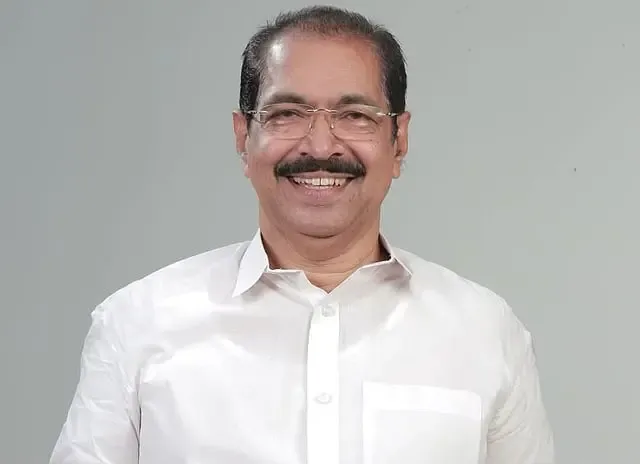
The KPCC has cracked down on public CM debate as Kerala Congress factions wage a bitter cyber war. Digital Cell head Hibi Eden has offered to resign, while coordinator Vimala Binu filed a police complaint over fake screenshots. Supporters of Venugopal, Satheesan, and Chennithala remain locked in an escalating online battle.
Key Takeaways
KPCC President Sunny Joseph on April 25, 2025 warned leaders that public statements on the Chief Ministerial candidacy would be treated as indiscipline.
Hibi Eden , head of the KPCC Digital Media Cell , has submitted a letter offering to resign, citing the end of the election cycle; the KPCC has not yet responded.
Vimala Binu , KPCC Digital Media Cell coordinator, filed a complaint with the State Police Chief over fake screenshots circulated in her name alleging she called for cyber attacks on K.C.
Venugopal 's supporters.
Satheesan , and Ramesh Chennithala are engaged in a bitter online war over the Kerala CM post.
The AICC had previously urged leaders to avoid public CM discussions, but the directive was widely ignored, forcing the KPCC to issue a formal warning.
All three factional camps are also engaged in quiet MLA lobbying efforts, making legislative support a critical factor in the leadership contest.
The Kerala Pradesh Congress Committee (KPCC) has issued a strict directive to its leaders and workers, prohibiting any public statements regarding the Chief Ministerial candidacy following the Assembly elections, as factional tensions within the party erupt into a full-blown digital conflict. KPCC President Sunny Joseph issued the warning on Saturday, April 25, signalling that the party's internal war — long simmering beneath the surface — has now become impossible to contain.
KPCC Issues Stern Warning Against Public CM Statements
Sunny Joseph made clear that remarks made in print, visual, and social media that damage the party's public image would be treated as acts of indiscipline. The statement was a direct response to a wave of public posturing by leaders aligned with competing factions within the United Democratic Front (UDF).
The All India Congress Committee (AICC) had previously urged senior leaders to avoid such discussions. However, sections of the party continued to defy this guidance, forcing the KPCC to publicly reiterate its position with a sharper tone. The escalation suggests that central leadership's earlier, softer appeals carried little weight on the ground.
Hibi Eden Offers to Quit as KPCC Digital Media Cell Head
Hibi Eden, who heads the KPCC Digital Media Cell, has submitted a letter offering to step down from the role, citing the conclusion of the Assembly election cycle as his stated reason. His offer to resign comes at a particularly volatile moment, as the very team he leads is reportedly fractured along factional lines.
Eden has publicly maintained that his decision is unconnected to the ongoing leadership controversy. However, the timing — amid an unprecedented escalation of online battles over the Chief Minister's post — has drawn widespread scrutiny. The KPCC has not yet formally responded to his resignation letter.
Fake Screenshots and Police Complaints Deepen the Crisis
Vimala Binu, coordinator of the KPCC Digital Media Cell, has filed a formal complaint with the State Police Chief, alleging that fabricated screenshots were being circulated under her name as part of a coordinated campaign tied to the leadership battle. She has demanded legal action against those responsible for the disinformation.
The controversy erupted after purported screenshots — which she has denied — suggested she had called for cyber attacks targeting supporters of K.C. Venugopal. The incident highlights how the leadership contest has weaponised digital spaces, turning party communication infrastructure into a battleground.
Three-Way Factional War: Venugopal, Satheesan, Chennithala
Supporters of K.C. Venugopal, V.D. Satheesan, and Ramesh Chennithala are engaged in a bitter and highly visible online war over the Chief Ministerial position. While senior leaders themselves have largely avoided direct public confrontation, their loyalists have shown no such restraint on social media platforms.
Beyond the digital battle, all three camps are also engaged in quiet, behind-the-scenes efforts to consolidate support among potential MLAs, underscoring the high-stakes nature of the contest. MLA backing will be decisive in determining who ultimately stakes a claim to the top post, making the ground-level lobbying as important as the public narrative war.
Deeper Context: A Pattern of Congress Indiscipline Before Power
This is not the first time the Kerala Congress has struggled to contain internal ambitions ahead of a potential return to power. Historically, the party's factional culture — deeply entrenched across the K-PCC, DCC, and block-level committees — has repeatedly undermined its electoral messaging. Critics argue that the very digital infrastructure built to fight political opponents is now being turned inward, reflecting a broader organisational failure.
Notably, the AICC's inability to enforce discipline from the top signals either a lack of political will or a deliberate strategy of allowing factions to exhaust themselves before imposing a central verdict on the CM pick. Either way, the optics are damaging for a party seeking to project unity ahead of a crucial governance transition.
As the KPCC deliberates on Hibi Eden's resignation and the police investigation into fake screenshots unfolds, all eyes will be on whether senior Congress leadership can impose a credible ceasefire — or whether the factional war will further erode the party's post-election momentum.
Point of View
Built to project party unity, has become the primary arena for internal warfare — a profound irony. The fake-screenshot episode and the Digital Cell chief's resignation are not isolated incidents; they are symptoms of a deeper structural failure where loyalty to faction consistently overrides loyalty to party. Unless central leadership imposes a firm, credible verdict on the CM question, this infighting risks handing the Opposition a ready-made narrative ahead of what should be a triumphant political moment for the UDF.
NationPress
18 Sept 2026
Frequently Asked Questions
Why has KPCC warned its leaders about the Chief Minister debate?
The KPCC issued the warning because public statements by leaders on the CM candidacy were damaging the party's image and deepening factional divisions. KPCC President Sunny Joseph stated that such remarks — across print, visual, and social media — would be treated as indiscipline.
Why did Hibi Eden offer to resign from the KPCC Digital Media Cell?
Hibi Eden cited the conclusion of the Assembly elections as his reason for offering to step down as head of the KPCC Digital Media Cell. However, his resignation comes amid a sharp escalation in online factional clashes, and the KPCC has not yet formally accepted or rejected his letter.
What is the Vimala Binu fake screenshot controversy?
Vimala Binu, the KPCC Digital Media Cell coordinator, filed a complaint with the State Police Chief alleging that fabricated screenshots were being circulated in her name, suggesting she had called for cyber attacks on K.C. Venugopal's supporters. She has denied the claims and demanded legal action against those responsible.
Who are the main contenders in the Kerala Congress Chief Minister race?
The primary contenders for the Kerala Congress Chief Minister position are K.C. Venugopal, V.D. Satheesan, and Ramesh Chennithala. Their respective supporters are engaged in an intense online battle, while all three camps are also quietly lobbying potential MLAs for support.
Has the AICC intervened in Kerala Congress's internal CM dispute?
Yes, the All India Congress Committee (AICC) had earlier advised Kerala Congress leaders to refrain from public discussions on the CM candidacy. However, sections of the party continued to defy this guidance, prompting the KPCC to issue a stricter, more formal warning.