PM Modi celebrates Diwali with Bastar jawans, hails end of Naxal terror
Synopsis
PM Modi chose Bastar — once the heartland of India's Maoist insurgency — to celebrate Diwali with jawans, declaring every district in the country free from Naxalism. With a former Maoist vouching for rehabilitation and the Deputy CM calling the region terror-free, this visit is as much a political milestone as a ceremonial one.
Key Takeaways
PM Narendra Modi celebrated Diwali 2026 with security personnel in Bastar, Chhattisgarh .
Modi declared that for the first time, every district in India is free from Naxalism .
Chhattisgarh Deputy CM Vijay Sharma said no Maoist cadre remains active and the Constitution is upheld across the region.
Former Maoist Sodhi Manjula , who surrendered in 2024 after 15 years with the insurgent group, cited employment and welfare benefits under the rehabilitation programme.
Local residents said the PM's visit boosted the morale of security forces deployed in the region.
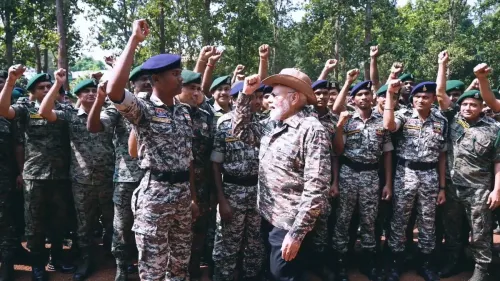
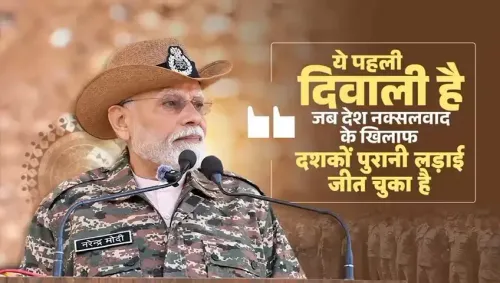
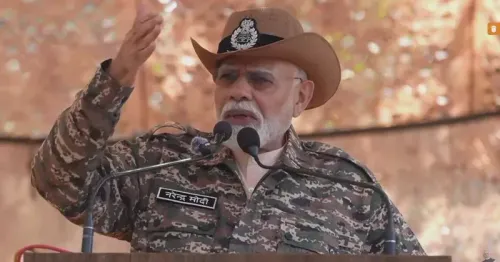
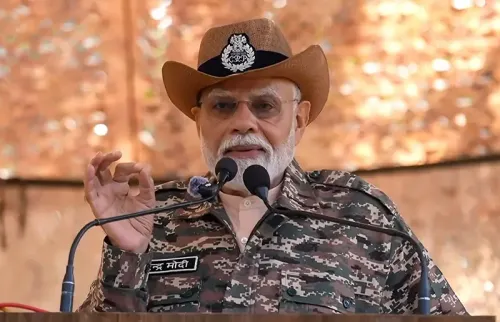
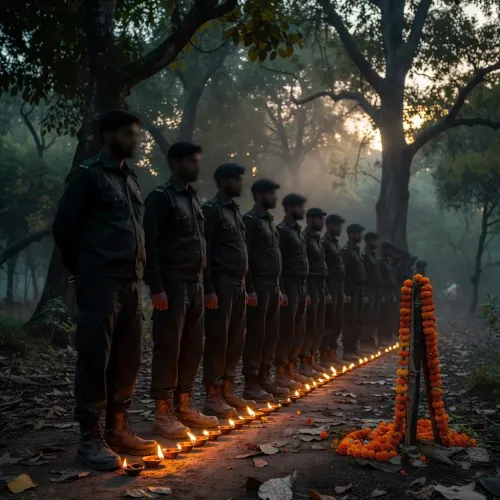
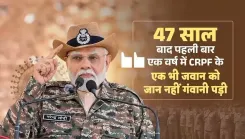
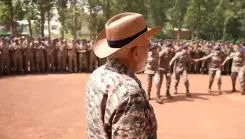
Prime Minister Narendra Modi marked Diwali 2026 alongside security personnel in Bastar, Chhattisgarh, in a visit widely hailed by local residents, former Maoists, and state officials as a powerful symbol of the region's transformation from a Naxal stronghold to a zone of peace and development. Addressing the jawans, Modi declared that for the first time in decades, every district in the country is free from Naxalism.
A Historic Moment for Bastar
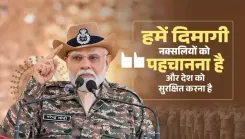
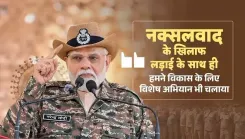
Speaking to security personnel during the Diwali celebrations, the Prime Minister said the occasion was 'special' because India had won its decades-long battle against Red terror. He credited millions of security personnel for their contribution in eradicating Left-Wing Extremism (LWE), while also noting that the elimination of Naxalism is not the ultimate goal — the nation, he said, still has a long journey ahead toward full development.
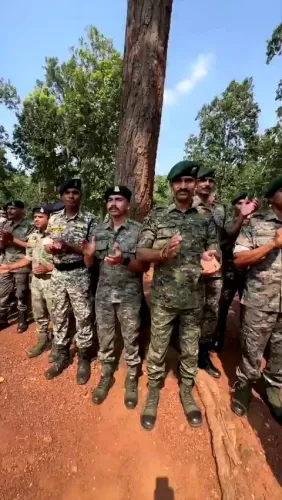
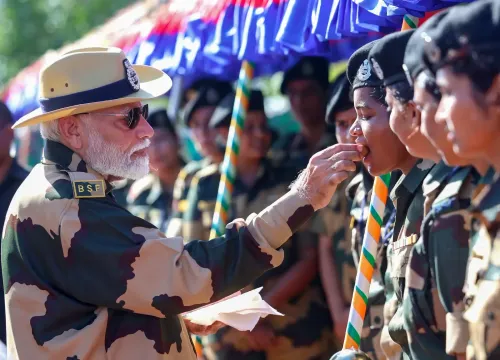
Locals welcomed the visit warmly. One Bastar resident described the Prime Minister's gesture — meeting soldiers, offering them sweets, and engaging in conversation — as a significant morale booster for armed forces deployed in the region.
Chhattisgarh Deputy CM: 'Region Is Now Free from Naxalism'
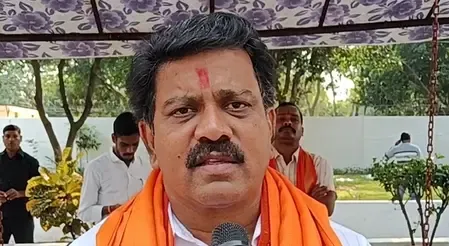
Chhattisgarh Deputy Chief Minister Vijay Sharma characterised the Prime Minister's visit as a symbol of the government's success against the Maoist insurgency. Speaking to the media, Sharma said the region had been decisively transformed. 'No Maoist cadre remains active. There was a time when a Jantana Sarkar (parallel government) operated here, which refused to accept the Constitution and defied every regulation. Today, the Constitution is upheld in every corner of the region, once infamous for red terror. The Maoist cadre has been eliminated — it has been made possible by the security forces,' he said.
Sharma added that Modi's Diwali visit would 'send a message to the entire world that Bastar is now completely free from terror.'
Former Maoist Voices: A New Chapter After Surrender
Former Maoist Sodhi Manjula, who surrendered in 2024 after spending 15 years with the insurgent group, spoke about her experience under the government's rehabilitation programme. She noted that she had secured employment and accessed various welfare schemes under the Modi-led government, adding that she had faced no difficulties since surrendering. Her account reflects a broader rehabilitation push in Chhattisgarh aimed at reintegrating surrendered cadres into mainstream society.
Bastar's Long Road from Red Terror to Recovery
Bastar was for decades one of the most conflict-affected regions in India, with Maoist groups controlling large swathes of territory and operating a parallel administration. Security operations, combined with welfare and development outreach, have significantly reduced active insurgency over the past several years. The Centre's declaration that all districts are now LWE-free marks a significant milestone in a campaign that has lasted well over two decades and claimed thousands of lives on both sides.
The Prime Minister's choice to celebrate Diwali with jawans in Bastar — rather than at a ceremonial venue — is being read as a deliberate political and symbolic statement about the gains made. Whether the development dividends follow the security gains in equal measure will determine how lasting this transformation proves to be.
Point of View
And the rehabilitation of surrendered cadres remains a work in progress. The declaration that all districts are LWE-free is a significant milestone, but the real test will be whether economic opportunity and institutional trust follow the security gains — without which the conditions that fuelled the insurgency in the first place may quietly resurface.
NationPress
8 Nov 2026
Frequently Asked Questions
Why did PM Modi celebrate Diwali in Bastar, Chhattisgarh?
PM Modi chose Bastar to celebrate Diwali with security personnel as a symbolic acknowledgement of the region's transformation from a Naxal stronghold to a terror-free zone. He declared that for the first time, every district in India is free from Left-Wing Extremism.
What did PM Modi say about the fight against Naxalism?
Modi said this Diwali was special because India had won its decades-long battle against Red terror, and that crores of citizens had overcome the fear of Left-Wing Extremism. He credited the country's security forces for making this possible, while adding that eradicating Naxalism is not the final goal — development must follow.
What did Chhattisgarh Deputy CM Vijay Sharma say about Bastar?
Deputy CM Vijay Sharma said the region is now completely free from Naxalism, with no active Maoist cadres remaining. He said the PM's visit would send a message to the world that Bastar had shed its legacy of red terror.
Who is Sodhi Manjula and why is her story significant?
Sodhi Manjula is a former Maoist who surrendered in 2024 after spending 15 years with the insurgent group. Her account of accessing employment and government welfare schemes illustrates the state's rehabilitation push for surrendered cadres in Chhattisgarh.
What is the significance of Bastar being declared free from Naxalism?
Bastar was for decades one of India's most conflict-affected regions, with Maoist groups operating a parallel administration. The government's declaration that all districts are now LWE-free marks the culmination of a counter-insurgency campaign spanning over two decades, though questions remain about whether development gains will match the security progress.