CM Sai Hails PM Modi's Diwali Visit to Bastar COBRA Base
Synopsis
Chhattisgarh CM Vishnu Deo Sai celebrated PM Modi's Diwali 2026 visit to the COBRA Operations Base in Bastar, framing it as proof of the region's transformation from a Naxalite stronghold into a zone of peace, security, and development.
Key Takeaways
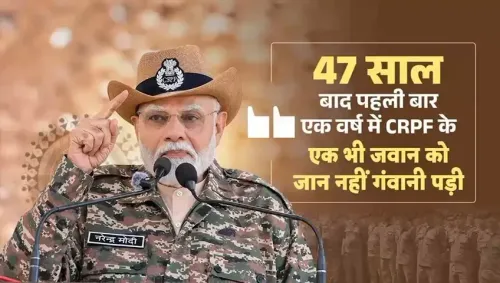
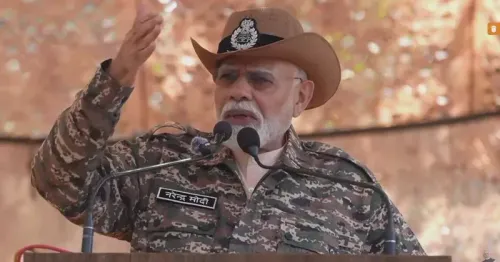
PM Narendra Modi visited the COBRA Operations Base in Bastar on Diwali 2026 , spending the festival with deployed security personnel.
CM Vishnu Deo Sai posted on 8 November 2026 hailing the visit as filling the festival with 'patriotism, pride, and affection.' COBRA (Commando Battalion for Resolute Action) is an elite CRPF unit raised in 2008-09 specifically for counter-insurgency operations in forested, LWE-affected zones.
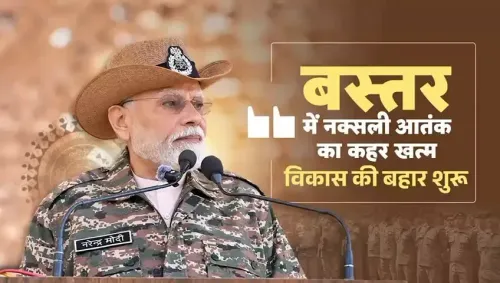
Bastar was long considered one of India's most dangerous Naxalite belts; the government's dual strategy of security operations and development schemes, including the Aspirational Districts initiative (2018) , is cited for its transformation.
Senior leaders visiting forward security posts on major festivals is a recurring practice aimed at recognising personnel serving in internal security roles far from their families.
CM Sai, in office since December 2023 , has made Bastar's security-development narrative a centrepiece of his administration's identity.
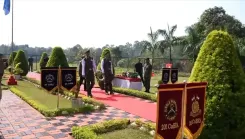
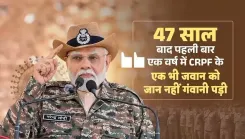
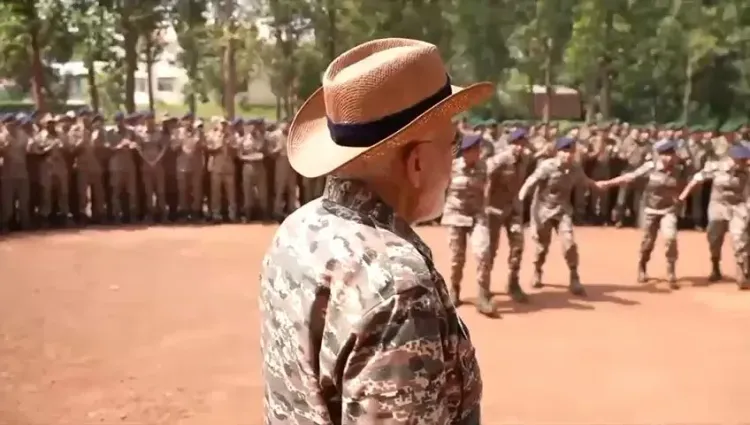
On a festival that once felt distant in the conflict-scarred forests of southern Chhattisgarh, Prime Minister Narendra Modi spent Diwali 2026 not in Delhi, but among jawans at the COBRA Operations Base in Bastar — and Chhattisgarh Chief Minister Vishnu Deo Sai marked the moment as a turning point in the region's long journey from insurgency to stability.
CM Sai posted on X on 8 November 2026, writing: 'Bastar ki dharti par shaurya ka samman, Diwali par veer jawanon ka badha maan!' — 'On the soil of Bastar, valour is honoured; on Diwali, the pride of brave soldiers is raised higher!' He described PM Modi's presence at the COBRA base as filling the festival with 'colours of patriotism, pride, and affection,' and pointedly noted that Bastar — once gripped by Naxalite violence — now carries 'a new light of peace, security, and development.'
COBRA: The Elite Unit Holding Bastar's Front Line
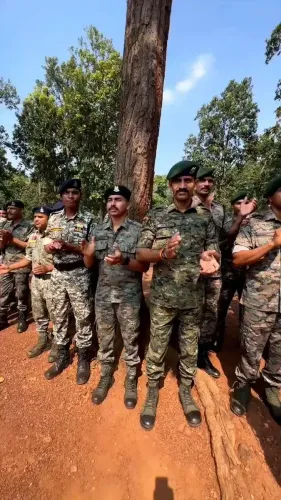
The Commando Battalion for Resolute Action (COBRA), raised by the CRPF in 2008-09, was purpose-built for exactly this terrain: deep forest, guerrilla contact, and the unrelenting pressure of Left-Wing Extremism. Its personnel operate in conditions that rarely make headlines — far from urban India, often for months at a stretch. A serving Prime Minister walking into their operations base on Diwali is not a routine courtesy call. It is a deliberate signal.
Visits by senior national leaders to forward security posts on major festivals have become a recurring feature of India's internal-security politics — a way of elevating the political and emotional visibility of forces engaged in what the government calls anti-LWE operations. For the jawans stationed in Bastar, far from family during one of the year's biggest celebrations, the gesture carries weight beyond the optics.
Bastar's Shift: From Red Corridor to Development Corridor
Bastar, a sprawling region of tribal forests and river valleys in southern Chhattisgarh, spent decades at the epicentre of India's Naxalite insurgency — what successive governments labelled the country's gravest internal security threat. The central government's strategy since the late 2000s has combined intensified CRPF and state police operations with development injections, including the Aspirational Districts initiative launched in 2018, which targeted lagging districts — many of them LWE-affected — with focused welfare and infrastructure spending.
CM Sai's framing of Bastar as a land now defined by 'peace, security, and development' reflects the official narrative that this dual approach is bearing fruit. Whether measured by reduced incident counts, expanded road connectivity, or mobile-network coverage in previously inaccessible villages, the government has consistently pointed to Bastar as a proof-of-concept for its counter-LWE model.
The Politics of Diwali at the Front
CM Vishnu Deo Sai, who took office in December 2023, has staked much of his administration's identity on the security and development transformation of Chhattisgarh's Naxal belt. His post is not merely celebratory — it is a claim of credit and continuity, linking PM Modi's visible solidarity with the troops to a broader BJP governance story in a state the party reclaimed after a gap.
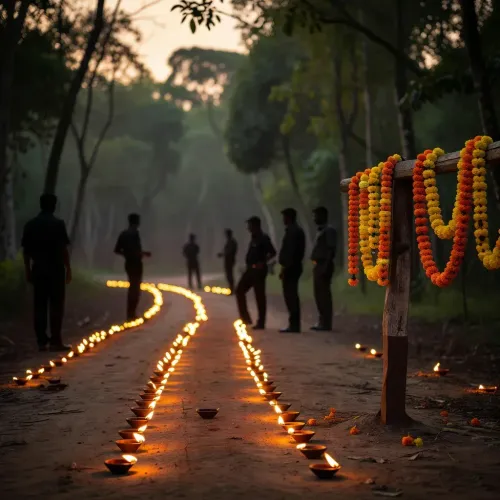
The timing matters too. Diwali falls at the symbolic centre of the Hindu calendar — a festival of light triumphing over darkness. The imagery of a Prime Minister lighting up Diwali at a counter-insurgency base in Bastar, a region once synonymous with ambushes and displacement, is carefully constructed and impossible to miss.
When India's most powerful elected leader marks the festival of lights at a jungle outpost rather than a ceremonial capital, the message to both the forces and the insurgency is unambiguous: this ground has changed hands — and it intends to stay that way.
Point of View
With the visit serving as an endorsement of that claim at the symbolic peak of the festival calendar. The gesture also reinforces a pattern where festival visits to forward posts function as soft-power tools: they simultaneously boost troop morale and project government confidence about security gains in areas once considered no-go zones. Analysts watching the LWE corridor will note that the political optics of this visit are inseparable from the ongoing question of whether security gains in Bastar are durable and deep-rooted.
NationPress
8 Nov 2026
Frequently Asked Questions
Why did PM Modi visit Bastar on Diwali 2026?
PM Modi visited the COBRA Operations Base in Bastar on Diwali 2026 to celebrate the festival with security personnel deployed in the region, a gesture CM Vishnu Deo Sai described as filling the occasion with patriotism and pride.
What is the COBRA unit of the CRPF?
COBRA — Commando Battalion for Resolute Action — is an elite CRPF unit raised in 2008-09 specifically for counter-insurgency and anti-Naxal operations in forested and difficult terrain across India's Left-Wing Extremism-affected districts.
Is Bastar still Naxal-affected in 2026?
While Bastar in southern Chhattisgarh was long one of India's most active Naxalite belts, the central and state governments have pointed to significant security improvements through combined military operations and development initiatives such as the Aspirational Districts programme.
Who is Vishnu Deo Sai and what is his role in Chhattisgarh?
Vishnu Deo Sai is the Chief Minister of Chhattisgarh, in office since December 2023. He is a senior BJP leader from the state and has made the security and development transformation of Bastar a central theme of his administration.
What is the Aspirational Districts initiative and how does it relate to Bastar?
The Aspirational Districts initiative, launched in 2018, targets India's most underdeveloped districts — many of them LWE-affected, including in Bastar — with focused welfare and infrastructure investment as part of the government's dual security-and-development strategy against Naxalism.