PM Modi visits Bastar to celebrate Diwali with security forces, CM Sai extends welcome
Synopsis
PM Modi chose Bastar—once India’s most volatile Naxal heartland—as his Diwali destination for 2026, spending the festival with security forces deployed there. The visit, greeted warmly by CM Vishnu Deo Sai on X, underscores a decade-long prime ministerial tradition and sends a pointed signal about the government’s narrative of restored peace and development in Chhattisgarh.
Key Takeaways
PM Narendra Modi visited Bastar, Chhattisgarh on 8 November 2026 to celebrate Diwali with security forces.
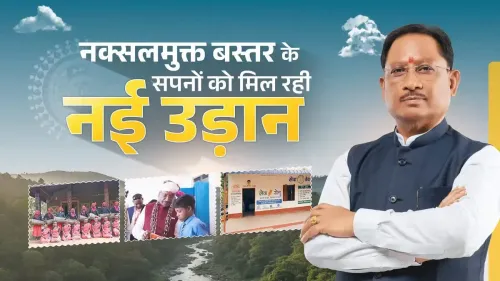
Bastar was once severely affected by Maoist violence; the government now cites significant reductions in Left Wing Extremism activity.
CM Vishnu Deo Sai posted a welcome message on X , crediting Modi’s leadership for the region’s shift towards peace and development.
PM Modi announced the visit on X , saying ‘Naxalism once held sway’ in the area but ‘development is now flourishing.’ Modi has maintained a tradition of celebrating Diwali with armed forces at challenging postings for over a decade .
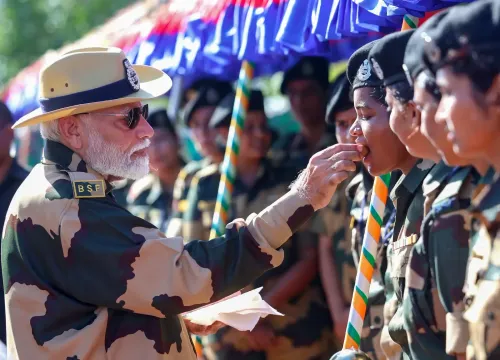
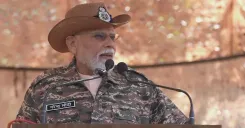
Prime Minister Narendra Modi travelled to Bastar, Chhattisgarh, on 8 November 2026 to celebrate Diwali with security personnel deployed in a region once considered the heartland of Maoist insurgency. The visit drew a warm public welcome from Chhattisgarh Chief Minister Vishnu Deo Sai, who credited Modi's leadership for the district's gradual transformation from conflict to development.
CM Sai's Welcome
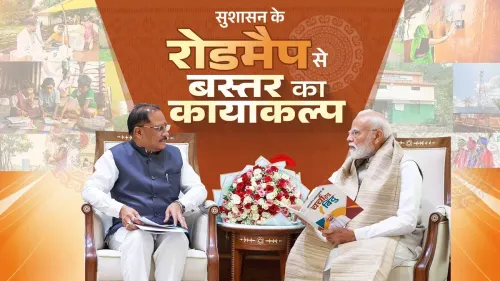
Chief Minister Vishnu Deo Sai took to X to greet the Prime Minister ahead of his arrival, saying, “Respected Prime Minister Shri Narendra Modi ji, a warm welcome and heartfelt greetings to you on the sacred soil of Bastar. Your special affection and heartfelt bond with the people of all of Chhattisgarh, including Bastar, have always been a source of inspiration for us all.” He further noted that under Modi’s leadership, Bastar was “emerging from the darkness of fear and violence and moving towards a new dawn of peace, trust and development.”
PM Modi's Announcement
Earlier, Prime Minister Modi posted on X, saying, “Heading to Bastar to celebrate Diwali with our brave security forces. This is an area where Naxalism once held sway, and now, development is flourishing.” He added, “I am going to salute our brave security personnel for their sacrifices, selfless service and unwavering devotion to the nation.”
A Decade-Long Tradition
For over a decade, Prime Minister Modi has consistently chosen to spend Diwali with the armed forces at the country’s most demanding postings—whether on border plains, high-altitude posts, or insurgency-affected zones. The annual gesture is widely seen as a signal of solidarity with personnel who cannot return home during the festival season. This year’s choice of Bastar is particularly symbolic, given the region’s ongoing security transition.
Bastar's Transformation
Bastar was for decades among the most severely affected districts in India’s Left Wing Extremism belt, with Maoist groups routinely targeting security forces and stalling infrastructure projects. In recent years, security operations and development outreach have reportedly reduced violence in the region, though analysts caution that pockets of Naxal influence persist. CM Sai described the Prime Minister’s presence as a boost to troop morale: “Your presence among our brave soldiers on the auspicious occasion of Diwali honours their indomitable courage, sacrifice and dedication.”
What It Signals
The visit arrives as the central and state governments seek to consolidate security gains in Chhattisgarh and attract investment to Bastar’s mineral-rich hinterland. Notably, the symbolic weight of a sitting Prime Minister celebrating Diwali in a former Naxal stronghold carries a clear political message about the administration’s narrative of restored normalcy. How quickly that narrative translates into measurable development indicators for local communities will be watched closely in the months ahead.
Point of View
But Bastar’s story is more complex than a single festive visit can convey: displacement, land rights disputes, and residual extremist influence in interior pockets remain undercovered. The visit will generate goodwill and genuine troop morale, but it also risks reducing a multi-decade security and governance challenge to a photo opportunity.
NationPress
8 Nov 2026
Frequently Asked Questions
Why did PM Modi visit Bastar for Diwali in 2026?
PM Modi travelled to Bastar on 8 November 2026 to celebrate Diwali with security personnel deployed in the region, as part of his long-standing tradition of spending the festival with armed forces at challenging postings. Bastar was chosen to signal the government’s narrative of reduced Naxal violence and improving development conditions.
What did Chhattisgarh CM Vishnu Deo Sai say about the visit?
CM Vishnu Deo Sai posted a welcome message on X, expressing gratitude for Modi’s affection towards Chhattisgarh and crediting his leadership for steering Bastar ‘from the darkness of fear and violence towards a new dawn of peace, trust and development.’ He also conveyed Diwali greetings on behalf of the people of Chhattisgarh.
What did PM Modi say ahead of his Bastar visit?
PM Modi posted on X that he was heading to Bastar to celebrate Diwali with security forces, noting that ‘Naxalism once held sway’ in the area but that ‘development is now flourishing.’ He said he would salute personnel for their sacrifices and unwavering devotion.
How long has PM Modi been celebrating Diwali with the armed forces?
For over a decade, PM Modi has chosen to spend Diwali with the nation’s armed forces at its most demanding postings, transforming the gesture into an annual national tradition. Each year the location changes, reflecting different strategic or symbolic priorities.
What is the significance of Bastar in India’s internal security context?
Bastar was for decades the epicentre of India’s Left Wing Extremism problem, with Maoist groups known locally as Naxalites targeting security forces and obstructing development. In recent years, government operations have reportedly reduced violence, though security analysts note that some pockets of influence remain.