Shekhawat marks Diwali with Ram Mandir as faith's fulfilment
Synopsis
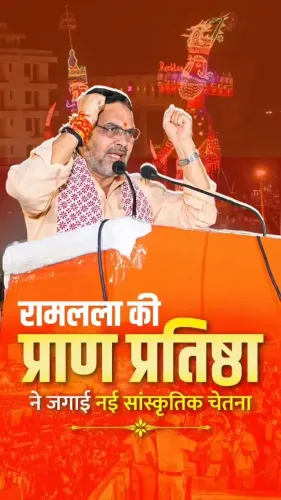
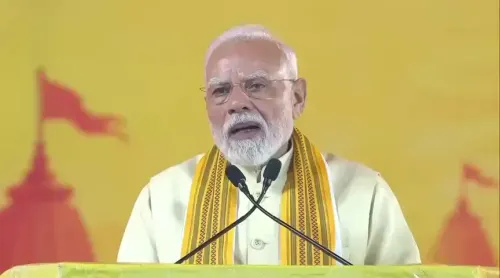
Union Culture and Tourism Minister Gajendra Singh Shekhawat greeted the nation on Diwali 2026, casting the festival as the living celebration of a centuries-old aspiration made real by the Shri Ram Mandir in Ayodhya — built after the Supreme Court's 2019 verdict and consecrated in January 2024.
Key Takeaways
Gajendra Singh Shekhawat , Union Culture and Tourism Minister, posted a Diwali greeting on 8 November 2026 linking the festival to the Ram Mandir in Ayodhya.
His post described the temple as the fulfilment of 'centuries of waiting' through faith, patience, and 'unbreakable resolve.' The Shri Ram Mandir was built following the Supreme Court's November 2019 Ayodhya title verdict and consecrated in January 2024 .
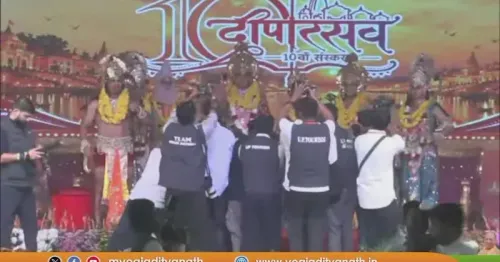
Ayodhya 's annual Deepotsav has grown into a large-scale public event, drawing lakhs of pilgrims and tourists every Diwali.
The post aligns with the Ministry of Culture and Tourism's broader drive to develop Ayodhya as a flagship heritage and pilgrimage destination.
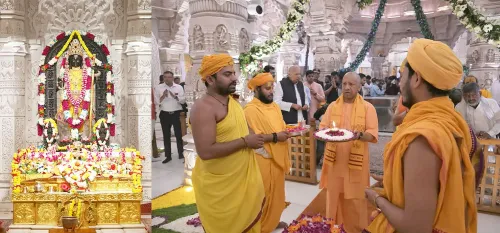
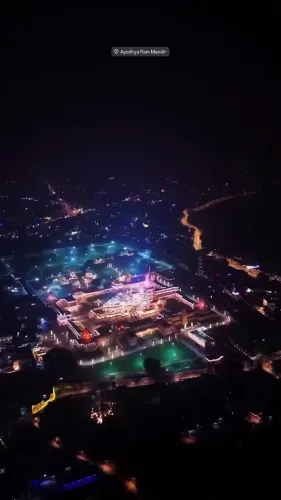
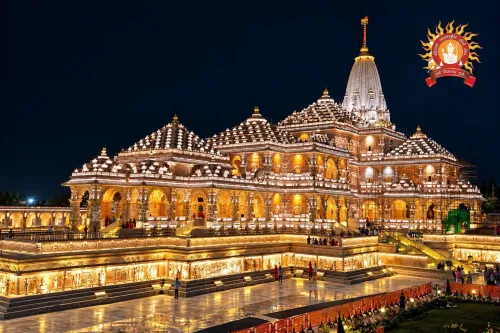
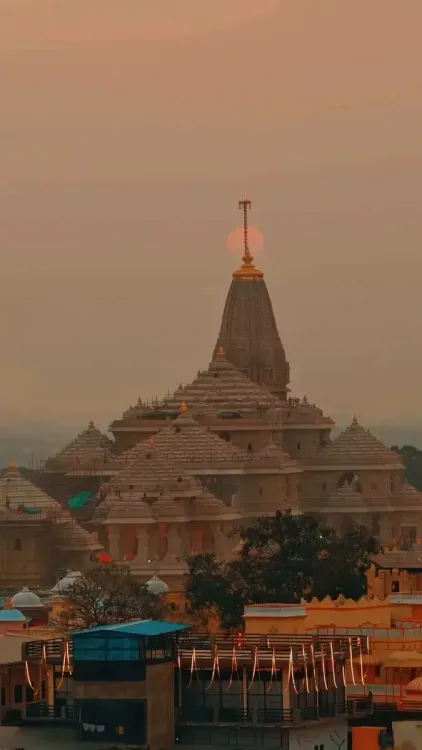
When centuries of longing become a living celebration, even a festival of lights carries extra weight. On Sunday, 8 November 2026, Union Culture and Tourism Minister Gajendra Singh Shekhawat marked Diwali with a heartfelt post on X, framing the festival as inseparable from the towering presence of the Shri Ram Mandir in Ayodhya — a dream, he wrote, realised through faith, patience, and 'unbreakable resolve.'
Posting in Hindi, Shekhawat wrote: 'Jab sadiyon ka intezaar aastha ke utsav mein badal jaye' ('When centuries of waiting transform into a celebration of faith') — evoking the Ram Mandir not merely as a structure but as the living answer to a generational yearning. He invoked the golden glow of countless lamps in Ayodhya and the image of Ramlala — the presiding deity — filling every heart with devotion, pride, and joy, before closing with 'Jai Shri Ram!' and warm Diwali greetings to all.From Supreme Court verdict to lit skyline
The post draws its emotional charge from a compressed but momentous timeline. In November 2019, the Supreme Court of India delivered its unanimous verdict on the decades-long Ayodhya title dispute, clearing the legal path for temple construction. Less than five years later, in January 2024, the pran pratishtha (consecration) ceremony brought the Shri Ram Mandir to life in a nationally televised event. For millions of devotees, that ceremony marked the close of a chapter stretching back generations. Shekhawat's Diwali message is rooted squarely in that arc.
Ayodhya's rising place on India's cultural map
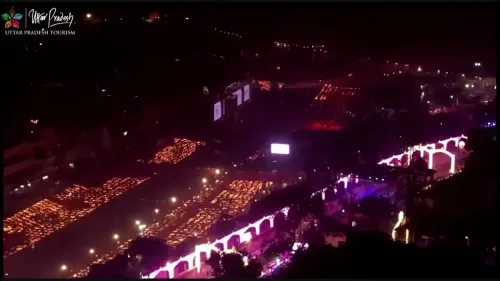
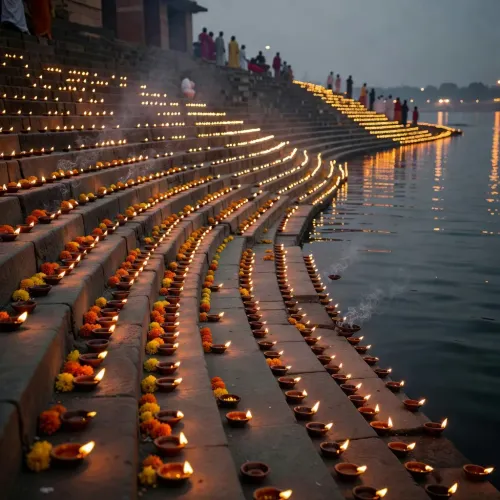
Shekhawat's post is also consistent with his ministry's broader push to position Ayodhya as a premier pilgrimage and heritage tourism destination. The central government has invested significantly in infrastructure around the temple town — from upgraded rail connectivity to riverfront development along the Sarayu — with the goal of absorbing a sharply rising volume of domestic and international pilgrims. Diwali, traditionally observed with great fervour in Ayodhya through its annual Deepotsav celebrations, has in recent years drawn lakhs of visitors to witness the lamp-lighting spectacle along the ghats.
For the Culture and Tourism Ministry, every major festival at Ayodhya doubles as a soft showcase of India's living heritage — a narrative Shekhawat has consistently amplified since taking charge of the portfolio.
India's oldest festival burns brightest, it seems, when history itself is part of the decor.
Point of View
' the minister reinforces a civilisational narrative that his party has made central to its political identity. For the Culture and Tourism portfolio specifically, Ayodhya is not just a pilgrimage site but a policy flagship: every high-profile occasion at the temple town generates both soft-power dividends and tangible tourism metrics. The regularity of such messaging from a sitting cabinet minister signals that Ayodhya's symbolic and economic elevation will remain a headline priority well beyond the 2024 consecration.
NationPress
8 Nov 2026
Frequently Asked Questions
What did Gajendra Singh Shekhawat say about Diwali 2026?
Shekhawat posted on X on 8 November 2026 describing Diwali as the celebration of a centuries-old dream made real through the construction of the Shri Ram Mandir in Ayodhya, invoking the glow of countless lamps and the image of Ramlala before wishing the nation a happy Diwali.
When was the Ram Mandir in Ayodhya consecrated?
The Ram Mandir's pran pratishtha (consecration) ceremony was held in January 2024 , following the Supreme Court's unanimous verdict on the Ayodhya title dispute in November 2019 .
What is Ayodhya's Deepotsav?
Deepotsav is Ayodhya's annual Diwali lamp-lighting event held along the ghats of the Sarayu river, which has in recent years grown into a large-scale public celebration drawing lakhs of pilgrims and tourists.
What is Gajendra Singh Shekhawat's role in the government?
Gajendra Singh Shekhawat is India's Union Minister of Culture and Tourism, a senior BJP leader and Lok Sabha MP representing Jodhpur in Rajasthan.
How is the Culture Ministry developing Ayodhya as a tourism destination?
The Ministry of Culture and Tourism, alongside state authorities, has backed infrastructure upgrades around the Ram Mandir complex including rail connectivity improvements and riverfront development to accommodate a rising flow of domestic and international pilgrims.