CM Sai Welcomes President Murmu to Bastar
Synopsis
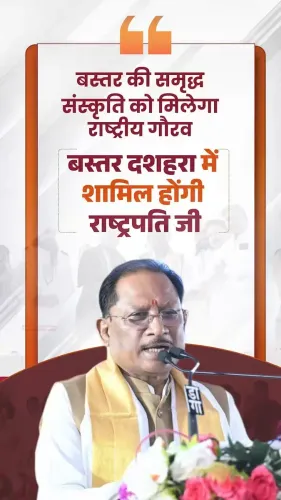
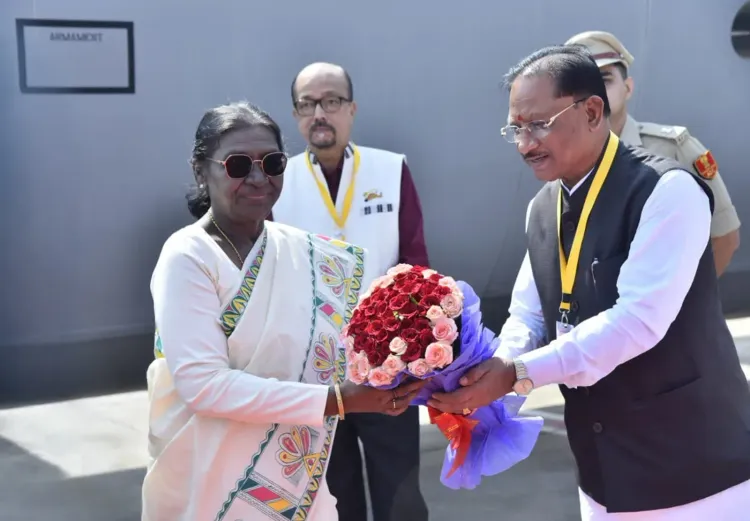
Chhattisgarh Chief Minister Vishnu Deo Sai welcomed President Draupadi Murmu — India's first tribal head of state — to Bastar on October 23, 2026, framing the visit as a boost to the region's cultural pride and development ambitions.
Key Takeaways
President Draupadi Murmu visited Bastar , Chhattisgarh on October 23, 2026 .
CM Vishnu Deo Sai welcomed her on behalf of all Bastar residents, citing the region's tribal culture and natural heritage.
President Murmu is India's first President from a tribal community, lending rare symbolic weight to a visit in a tribal-majority region.
Bastar is known for the Danteshwari temple, rich Gondi tribal traditions, and its history as a former Left Wing Extremism–affected zone.
CM Sai linked the visit to a state resolve for a 'peaceful, prosperous and developed Bastar.'
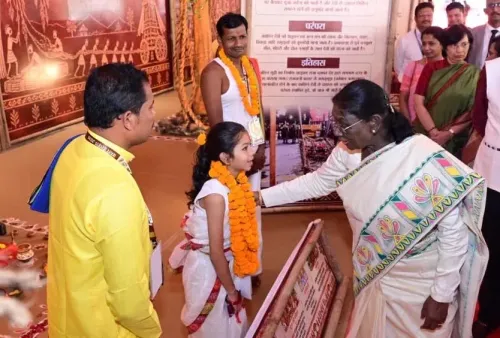
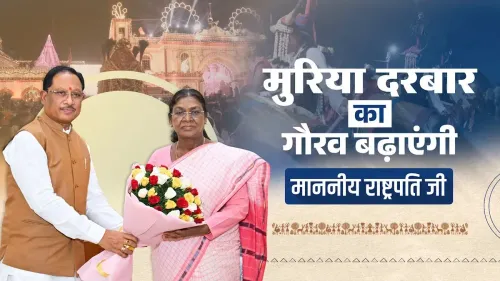
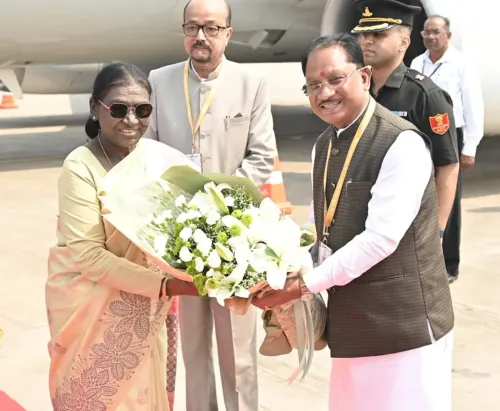
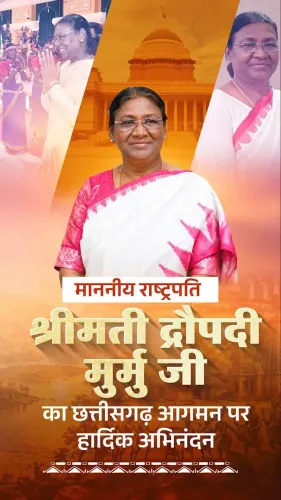
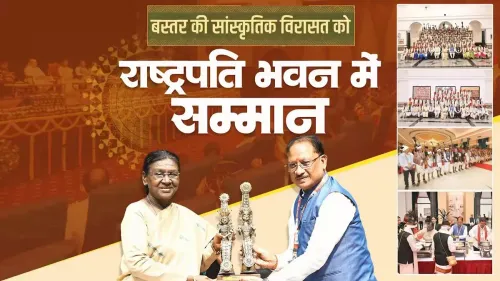
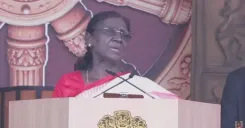
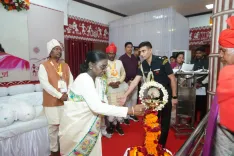
The sacred soil of Bastar received a rare presidential touch on Friday, October 23, 2026, as Chhattisgarh Chief Minister Vishnu Deo Sai extended a heartfelt welcome to President Draupadi Murmu on behalf of all Bastar residents — a moment that carries weight well beyond ceremony.
A Welcome on the Land of Maa Danteshwari
In his post, CM Sai described Bastar as 'Maa Danteshwari ki pawan dhara' — the sacred land of Goddess Danteshwari — calling the region an enricher of India's cultural diversity through its 'unparalleled natural beauty, rich tribal culture, and centuries-old glorious traditions.' He stated that President Murmu's visit would 'further enhance the pride of Bastar's rich heritage' and give 'new strength to our resolve for a peaceful, prosperous and developed Bastar.'
The symbolism is deliberate and layered. President Murmu is the first person from a tribal community to hold India's highest constitutional office — making her presence in a tribal heartland like Bastar something residents feel, not just witness.
Why Bastar, and Why It Matters Now
Bastar, spread across southern Chhattisgarh, is home to one of the country's densest concentrations of Adivasi communities and has long been entangled in a decades-long Left Wing Extremism conflict that reshaped daily life across its forests and villages. State governments have increasingly framed security gains in the region as an opening — a chance to pivot from conflict narrative to development narrative.
A presidential visit to such a region is never routine. It signals institutional attention, validates the 'normalisation' story the state administration has been building, and puts Bastar's cultural identity — the Danteshwari temple, its rich Gondi traditions, its festivals and art — before the national gaze.
Tribal Heritage Meets Constitutional Symbolism
Presidential visits to tribal-majority regions have historically served a dual purpose: honouring indigenous heritage and reinforcing the constitutional promise of inclusion. With President Murmu — herself from the Santali tribal community of Odisha — at the centre of this particular visit, that symbolism lands with rare authenticity. For Bastar's tribal communities, this is not just a head-of-state passing through; it is one of their own, at the apex of the Republic, standing on their land.
CM Sai's framing — 'shant, samridh aur viksit Bastar' (peaceful, prosperous and developed Bastar) — telegraphs the political ambition riding alongside the cultural celebration: a Bastar remade, not just remembered.
Whether the visit translates into concrete announcements on development projects or security consolidation, Bastar is, for this moment, squarely at the centre of India's national story.
Point of View
A visit by India's first tribal President provides a powerful endorsement that no policy document can replicate. For CM Sai — himself a member of the Janjati community — the optics of welcoming Murmu to one of India's most iconic tribal landscapes reinforces his government's claims of tribal empowerment as both a governance priority and a BJP electoral narrative. The broader pattern of presidential engagement with marginalised regions suggests this visit will be cited as a milestone in Chhattisgarh's development pitch for years to come.
NationPress
23 Oct 2026
Frequently Asked Questions
Why did President Draupadi Murmu visit Bastar?
President Draupadi Murmu visited Bastar, Chhattisgarh to engage with the region's tribal communities and heritage. CM Vishnu Deo Sai welcomed her on behalf of all Bastar residents, describing the visit as a boost to the region's cultural pride and development goals.
What is special about Bastar in Chhattisgarh?
Bastar is a region in southern Chhattisgarh renowned for its tribal population, dense forests, the sacred Danteshwari temple, and rich Gondi cultural traditions. It is one of India's most significant tribal heartlands.
Is Draupadi Murmu from a tribal community?
Yes. President Draupadi Murmu is from the Santali tribal community of Odisha and is India's first President from a tribal background, making her visits to tribal regions carry special constitutional and cultural significance.
What did CM Vishnu Deo Sai say about the President's visit?
CM Sai said President Murmu's visit would enhance the pride of Bastar's rich heritage and give new strength to the state's resolve for a 'peaceful, prosperous and developed Bastar,' welcoming her on behalf of all residents.
What is the significance of the Danteshwari temple in Bastar?
The Maa Danteshwari temple in Dantewada is one of the most revered Shakti shrines in central India and a central pillar of Bastar's cultural and spiritual identity, deeply connected to the region's tribal traditions.