CM Sai leads 209-member Bastar delegation to meet President Murmu
Synopsis
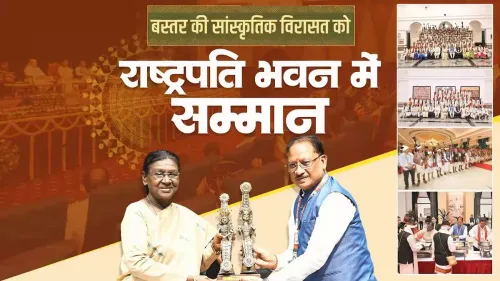
Chhattisgarh Chief Minister Vishnu Deo Sai escorted a 209-member delegation from Bastar to meet President Draupadi Murmu at Rashtrapati Bhavan on 30 July 2026, in a significant tribal-region outreach to India's highest constitutional office.
Key Takeaways
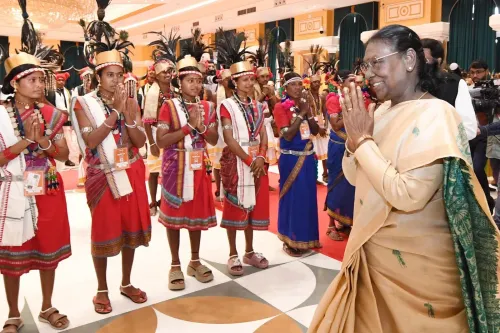
209 members from the Bastar division of Chhattisgarh formed the delegation — one of the largest from the region to visit Rashtrapati Bhavan.
Chief Minister Vishnu Deo Sai , a tribal leader sworn in December 2023, personally led the delegation.
President Draupadi Murmu is the first person from a tribal community to serve as President of India, lending added significance to the meeting.
Bastar comprises seven districts in southern Chhattisgarh and is home to major tribal communities including the Gond and Maria peoples.
The specific agenda presented to the President has not yet been officially disclosed; an official readout from Rashtrapati Bhavan or the state government is awaited.
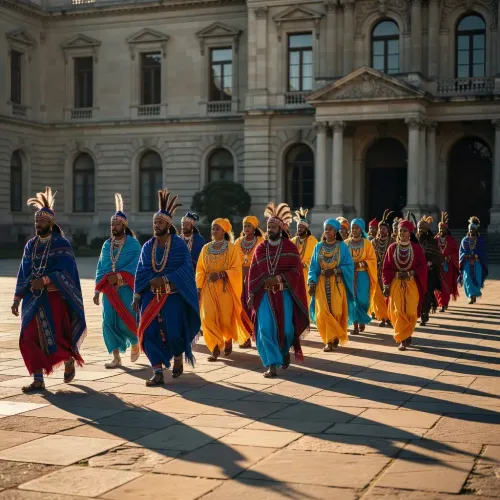
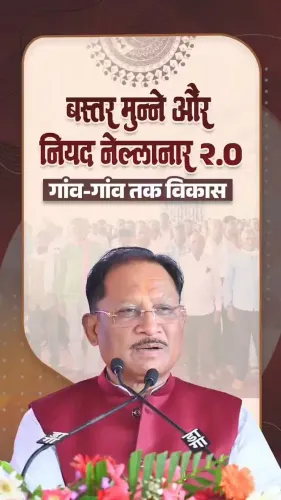
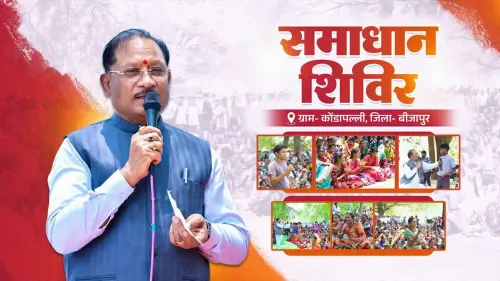
A 209-member delegation from Bastar walked into Rashtrapati Bhavan on 30 July 2026 — one of the largest tribal-region delegations to call on a sitting President in recent memory. Chhattisgarh Chief Minister Vishnu Deo Sai led the group for a formal meeting with President Draupadi Murmu, a moment that carries particular resonance given that Murmu is herself the first person from a tribal community to occupy India's highest constitutional office.
A tribal heartland reaches the highest office
Bastar, a sprawling division of seven districts in southern Chhattisgarh, is home to some of India's most significant tribal populations — the Gond, Maria, and related communities whose cultural and political concerns have long sat at the margins of national policy conversations. A 209-strong delegation is not a courtesy call; it signals an organised effort to place Bastar's voice directly before the President.
President Murmu, who assumed office in July 2022 as the first tribal person and the second woman to serve as President of India, has made outreach to tribal communities a consistent thread of her tenure. The symbolic weight of Bastar's representatives meeting a President who shares their constitutional identity is not lost on observers of Chhattisgarh politics.
CM Sai's role as the delegation's anchor
Chief Minister Vishnu Deo Sai, sworn in December 2023 as a senior BJP leader and himself a tribal representative from Chhattisgarh, has positioned tribal welfare and Bastar's development as central planks of his administration. Leading a delegation of this scale to Rashtrapati Bhavan fits a pattern Chief Ministers use to elevate regional concerns within the federal framework — bypassing bureaucratic layers to reach the constitutional apex.
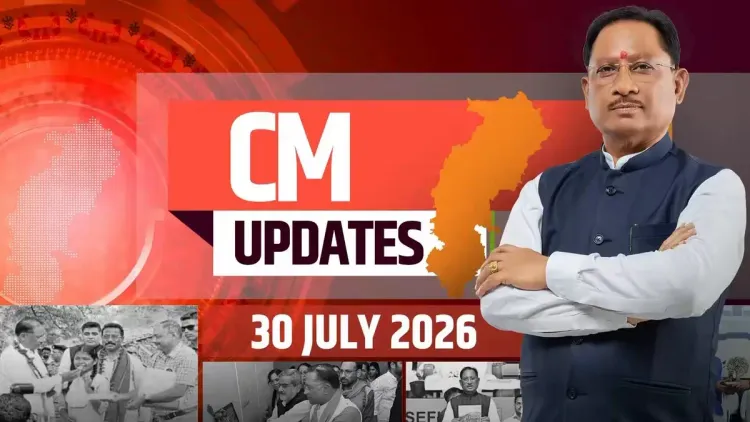
The CM's post noted the meeting as part of a broader set of significant updates for the day, suggesting an active schedule of engagements around the visit. The specific agenda the delegation placed before the President has not been officially detailed yet.
What an official readout could reveal
The next signal to watch is any formal communiqué from either Rashtrapati Bhavan or the Chhattisgarh government on the substance of the discussions — whether the delegation raised issues of land rights, forest governance, infrastructure, or security in the Bastar region. Until that readout emerges, the scale of the delegation itself speaks loudest.
When 209 people travel from one of India's most remote and historically underserved regions to the President's house, they are not just making a visit — they are making a statement.
Point of View
The meeting carries symbolic legitimacy that a routine bureaucratic petition could never achieve. For the BJP, which has invested heavily in tribal outreach since 2022, this kind of visible, high-profile engagement reinforces its claim to be the natural political home for India's Scheduled Tribe communities. The substance of what was discussed will determine whether this was governance or optics — and that answer lies in the readout still to come.
NationPress
14 Sept 2026
Frequently Asked Questions
Why did CM Vishnu Deo Sai take a Bastar delegation to meet President Murmu?
Chief Minister Vishnu Deo Sai led a 209-member delegation from Bastar to Rashtrapati Bhavan on 30 July 2026 to meet President Draupadi Murmu, likely to present regional concerns from one of Chhattisgarh's most significant tribal areas directly to the President.
Who is President Draupadi Murmu and why is her meeting with Bastar significant?
Draupadi Murmu has served as President of India since July 2022 and is the first person from a tribal community to hold the office. Her meeting with a tribal delegation from Bastar carries particular resonance given this shared identity.
What is Bastar and which tribal communities live there?
Bastar is a division in southern Chhattisgarh comprising seven districts. It is home to major tribal communities including the Gond and Maria peoples, and is one of India's most significant tribal regions.
What was the agenda of the 209-member Bastar delegation's meeting with the President?
The specific agenda has not been officially disclosed. An official readout from Rashtrapati Bhavan or the Chhattisgarh government is awaited to clarify the issues raised.
Who is Vishnu Deo Sai and what is his background?
Vishnu Deo Sai is the Chief Minister of Chhattisgarh and a senior BJP leader, sworn into office in December 2023. He is himself a tribal representative from Chhattisgarh, making tribal welfare a central theme of his administration.