US targets China on 3 fronts: visas, genomics firms, campus centres

Synopsis
In a single week, the Trump administration hit China from three directions at once: blacklisting BGI Genomics over Uyghur forced labour links, shutting Chinese nationals out of a visa-free Pacific island gateway near US military bases, and announcing that 80 re-branded Confucius Institutes at 30 universities had been dismantled. The blitz came even as Trump confirmed a nuclear-weapons meeting with Xi Jinping — a telling combination of maximum pressure and open diplomacy.
Key Takeaways
BGI Genomics , MGI Tech , and Shenzhen BGI Technology were added to the UFLPA Entity List on 29 October 2026 , barring their goods from the US market.
DHS suspended the CNMI EVS-TAP visa programme effective 30 October , citing espionage risks near military bases on Tinian and Guam ; more than 3,000 Chinese nationals used it in FY2025.
Defense Secretary Pete Hegseth confirmed the Pentagon had dismantled more than 80 re-branded Confucius Institutes across 30 universities , calling them 'propaganda cells.' China's Foreign Ministry rejected the Confucius Institute characterisation as 'smears and stigmatisation.' The actions come even as President Trump said a meeting with President Xi Jinping on nuclear weapons has been scheduled.
The Trump administration has moved against China on three simultaneous fronts within a single week, ending visa-free travel for Chinese nationals to a US Pacific territory, blacklisting China's top genomics companies over alleged forced labour links, and designating Chinese-funded campus cultural centres a national security threat. The coordinated actions, taken between 19 October and 29 October 2026, represent the broadest single-week escalation of US pressure on Beijing in recent months.
Genomics Firms Blacklisted Over Forced Labour
The Department of Homeland Security (DHS) on Wednesday, 29 October added three interlinked Chinese companies — BGI Genomics, MGI Tech, and Shenzhen BGI Technology (collectively known as BGI Group) — to the Uyghur Forced Labor Prevention Act (UFLPA) Entity List. Effective immediately, US Customs and Border Protection will apply a 'rebuttable presumption' that goods produced by these entities are barred from entering the United States.
DHS said the US government 'has reasonable cause to believe, based on specific and articulable information, that BGI Genomics conducts genetic testing in the Xinjiang Uyghur Autonomous Region (XUAR) alongside the government of the XUAR and as a part of its government initiatives.' The department further stated such testing 'is utilised to facilitate the recruitment, transport, transfer, harbouring or receiving of forced labour.' BGI Group is among the world's largest genomics conglomerates, and the blacklisting is expected to disrupt its supply chains into the US market.
Visa-Free Travel Suspended for Chinese Nationals
Separately, a DHS notice published in the Federal Register on 27 October suspends the Commonwealth of the Northern Mariana Islands (CNMI) Economic Vitality and Security Travel Authorization Program (EVS-TAP), which had allowed pre-screened Chinese nationals to visit the islands without a visa. The suspension takes effect at 2 pm EDT on 30 October and covers existing authorisations.
'DHS judges that PRC nationals are almost certainly exploiting EVS-TAP,' the notice stated, citing risks including espionage near military facilities on Tinian and Guam, smuggling routes to Guam, and birth tourism. More than 3,000 Chinese nationals used the programme in fiscal year 2025. The proximity of the Northern Mariana Islands to key US military installations has long made the visa arrangement a subject of scrutiny within national security circles.
Pentagon Dismantles Campus Confucius Institutes
Defense Secretary Pete Hegseth announced that the Pentagon had designated Confucius Institutes — Chinese-funded cultural and language centres hosted at American universities — as a threat to US national security. 'It turns out that 80 new propaganda cells across 30 universities had popped up using different names and different charters, but with the same mission: to steal intellectual property and to infiltrate the minds of American students,' Hegseth said in a video statement.
Hegseth said the department had over the past two months 'systematically dismantled every single one of these organisations.' The Pentagon said on 19 October that research security audits at 30 universities had resulted in more than 80 'termination-related actions'. Notably, Confucius Institutes have been a recurring flashpoint in US-China tensions since the late 2010s; Congress first flagged them as a concern in 2019, and several universities voluntarily shut them down during the first Trump term.
China's Foreign Ministry spokesperson Guo Jiakun said Beijing opposed 'smears and stigmatisation targeting Confucius Institutes,' according to reports.
Context: Escalation Amid Diplomatic Contact
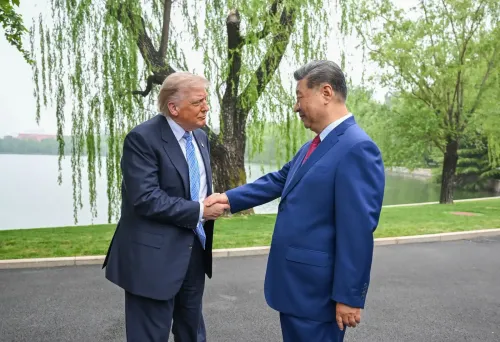
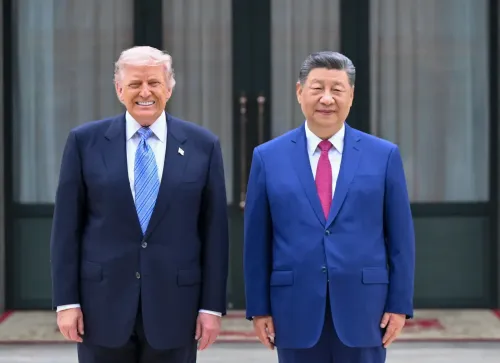
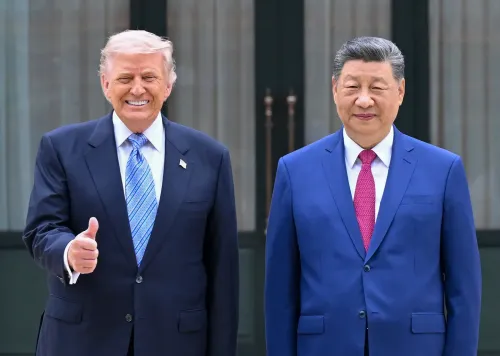
The sweeping actions come even as President Donald Trump indicated that a meeting with Chinese President Xi Jinping on nuclear weapons had been scheduled — an unusual juxtaposition of punitive measures and high-level diplomatic engagement. This pattern of simultaneous pressure and dialogue has characterised the Trump administration's China approach, with economic and security hawks pushing restrictions while back-channel diplomacy continues. Analysts say the three-front move signals that domestic political imperatives on China policy are running ahead of any diplomatic calendar.
Point of View
Visa rules, and Pentagon security mandates as parallel pressure tracks, each legally distinct and therefore harder for Beijing to respond to in a single diplomatic channel. What is striking is the timing: the crackdown accelerates even as Trump confirms a nuclear-dialogue meeting with Xi, suggesting the White House is deliberately keeping punitive and diplomatic lanes separate. For India, the BGI blacklisting carries a specific resonance — BGI's genomic data activities in border regions have been a concern for Indian security agencies too, and the US action may reinforce calls to restrict the group's operations in India as well.
NationPress
29 Oct 2026
Frequently Asked Questions
Why were BGI Genomics and its affiliates blacklisted by the US?
The US Department of Homeland Security added BGI Genomics, MGI Tech, and Shenzhen BGI Technology to the UFLPA Entity List on 29 October 2026, citing evidence that BGI conducts genetic testing in the Xinjiang Uyghur Autonomous Region in coordination with regional authorities, testing the department says facilitates forced labour. As a result, US Customs and Border Protection will treat goods from these firms as presumptively barred from entry.
What is the CNMI EVS-TAP and why has the US suspended it?
The Commonwealth of the Northern Mariana Islands Economic Vitality and Security Travel Authorization Program allowed pre-screened Chinese nationals to visit the US Pacific territory without a visa. DHS suspended it effective 30 October 2026, saying Chinese nationals were 'almost certainly' exploiting the programme for espionage near military facilities on Tinian and Guam, smuggling, and birth tourism; more than 3,000 Chinese nationals used it in fiscal year 2025.
What did the Pentagon find about Confucius Institutes?
Defense Secretary Pete Hegseth announced that research security audits at 30 universities identified more than 80 re-branded versions of Confucius Institutes operating under different names but with the same alleged mission — stealing intellectual property and influencing students. The Pentagon said it had completed termination-related actions against all of them by 19 October 2026.
How did China respond to the US actions?
China's Foreign Ministry spokesperson Guo Jiakun said Beijing opposed what he called 'smears and stigmatisation targeting Confucius Institutes.' Beijing has not yet issued a formal public response to the BGI blacklisting or the CNMI visa suspension.
How do these moves fit into the broader US-China relationship?
The three actions come alongside President Trump's confirmation that a meeting with Chinese President Xi Jinping on nuclear weapons has been scheduled, illustrating the administration's strategy of running security pressure and diplomatic dialogue on separate tracks simultaneously. Analysts note this pattern mirrors earlier phases of US-China tensions where economic and security restrictions escalated in parallel with high-level talks.