US suspends visa-free entry for Chinese nationals to Northern Mariana Islands over espionage fears
Synopsis
The Trump administration is pulling the plug on visa-free access for Chinese nationals to the Northern Mariana Islands — a Biden-era programme that DHS now says is 'almost certainly' being exploited for espionage near critical US military infrastructure. With Tinian Air Base being restored and Guam's installations on high alert, Washington is treating a Pacific tourism programme as a national security liability.
Key Takeaways
The Trump administration is suspending the CNMI EVS-TAP programme for Chinese nationals, effective 30 October 2026 at 2 pm EDT .
DHS says Chinese nationals are 'almost certainly exploiting' the programme for espionage near US military bases in the Pacific.
More than 3,000 Chinese nationals used EVS-TAP to enter the CNMI in fiscal year 2025 .
Two federal cases — in March 2024 and February 2025 — involved Chinese nationals smuggled from the CNMI to Guam , most later found near military installations.
The programme was created in 2024 under the Biden administration and had been operational since 20 February 2025 .
Senator Mike Lee and three other Republican senators had urged the suspension as early as April 2026 .
The Trump administration has moved to suspend a programme that allowed prescreened Chinese nationals to visit the Commonwealth of the Northern Mariana Islands (CNMI) without a visa, citing risks of espionage near US military bases, illegal onward travel to Guam, and birth tourism. The suspension of the CNMI Economic Vitality and Security Travel Authorization Program (EVS-TAP) takes effect at 2 pm EDT on 30 October 2026, according to a Department of Homeland Security (DHS) notice published in the Federal Register.
What EVS-TAP Was and Who It Covered
The programme, created under a 2024 rule by the Biden administration, took effect on 20 February 2025. It permitted Chinese visitors to stay in the CNMI for up to 14 days, with travel authorisations valid for one year. Vetting was handled by US Customs and Border Protection rather than a State Department consular officer — a distinction DHS now regards as a critical gap. In fiscal year 2025, more than 3,000 Chinese nationals used EVS-TAP to enter the CNMI, according to the Federal Register notice.
The suspension applies both to new applicants and to 'previously approved travelers with an existing EVS-TAP travel authorization'. Chinese nationals already in the CNMI under the programme may complete their authorised stay but 'will need to obtain a visa for any future travel', the notice states. China had been excluded from the broader Guam-CNMI visa waiver programme since 2009 on 'political and security concerns'.
The Espionage and Security Concerns Cited
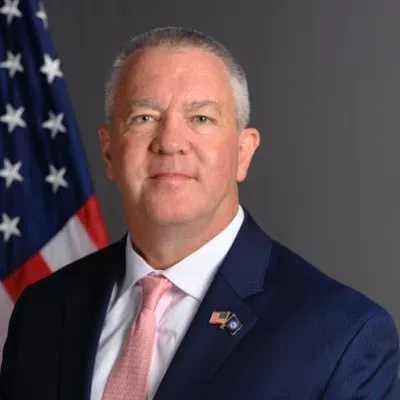
The DHS notice, signed by Homeland Security Secretary Markwayne Mullin, stated that 'DHS judges that PRC nationals are almost certainly exploiting EVS-TAP', and that the volume of visa-exempt entries 'presents unacceptable security and law enforcement risks.' The department warned that the programme 'may be exploited to facilitate PRC espionage and intelligence collection directed against sensitive U.S. defense infrastructure in the region'.
The notice specifically highlighted the restoration of Tinian Air Base by the Department of Defense, while neighbouring Guam hosts several military installations described as 'critical to homeland defense'. Although EVS-TAP barred Chinese visitors from travelling beyond the CNMI, DHS noted that travellers 'have the ability to illegally travel from the CNMI to Guam aboard smuggling vessels'. Two federal sentencings — in March 2024 and February 2025 — involved Chinese nationals who smuggled nine and seven other Chinese nationals respectively from the CNMI to Guam, with most later encountered 'in or near sensitive military installations', according to the notice.
Birth Tourism and Criminal Activity Flagged
On birth tourism, DHS stated that 'while birth tourism has long been an issue in the CNMI, the availability of visa-exempt travel and reduced vetting under EVS-TAP may lower barriers to this practice.' The notice further warned that birth tourism 'may also be utilized to facilitate long-term intelligence or espionage activities', though it did not provide a specific count of births linked to the programme.
The department also pointed to the CNMI's documented history of 'PRC-linked criminal activity', including money laundering and labour abuses connected to a Chinese-run casino operation in Saipan.
Political Reaction and Broader Context
Republican Senator Mike Lee welcomed the suspension, writing on X: 'America is not a nursery for the CCP to steal citizenship.' Senators Lee, Rick Scott, John Cornyn, and Bill Cassidy had reportedly urged Secretary Mullin as early as April to terminate the programme.
DHS acknowledged that CNMI businesses dependent on Chinese tourism — and prospective travellers — may face economic losses, but said the 'acute risks' outweighed those concerns. Genuine visitors retain the option of applying for a standard US visa. The suspension does not restore an earlier parole policy for Chinese visitors to the islands.
The move forms part of the administration's wider effort to tighten visa vetting and curb birth tourism — a policy direction that is likely to invite further scrutiny of other regional travel facilitation programmes.
Point of View
While politically salient for the Republican base, is secondary to the harder strategic question: how many other regional travel facilitation programmes carry similar gaps near US Pacific Command assets? This suspension may be the opening move in a broader audit of Pacific-rim visa architecture.
NationPress
27 Oct 2026
Frequently Asked Questions
What is the CNMI EVS-TAP programme and why is it being suspended?
EVS-TAP was a Biden-era programme that allowed prescreened Chinese nationals to visit the Commonwealth of the Northern Mariana Islands without a US visa for up to 14 days. The Trump administration is suspending it from 30 October 2026, citing DHS assessments that Chinese nationals are 'almost certainly' exploiting the programme for espionage near US military installations in the Pacific.
When does the suspension take effect and who does it affect?
The suspension takes effect at 2 pm EDT on 30 October 2026. It applies to both new applicants and holders of existing EVS-TAP authorisations. Chinese nationals already in the CNMI under the programme may complete their authorised stay but must obtain a standard US visa for any future travel.
What specific security risks did the US government cite?
DHS cited three main risks: espionage and intelligence collection targeting US military infrastructure — including Tinian Air Base and Guam's installations — illegal smuggling of Chinese nationals from the CNMI to Guam, and birth tourism that could facilitate long-term intelligence activities. Two smuggling cases in 2024 and 2025 resulted in federal sentencings.
Can Chinese nationals still travel to the CNMI after the suspension?
Yes, but they will need to obtain a standard US visa through a State Department consular officer. The suspension does not restore an earlier parole policy for Chinese visitors. DHS acknowledged this will be more restrictive but said the security risks outweigh the economic impact on CNMI tourism businesses.
How does this fit into broader US immigration and security policy?
The suspension is part of the Trump administration's wider push to tighten visa vetting and curb birth tourism. China has been excluded from the broader Guam-CNMI visa waiver programme since 2009. Republican senators including Mike Lee, Rick Scott, John Cornyn, and Bill Cassidy had been urging the administration to act since April 2026.