Could a US Senator End the China Visa Waiver?
Synopsis
US Senator Rick Scott is taking a bold step to protect national security by introducing legislation to terminate the visa waiver for Chinese nationals. This bill aims to close the loopholes that allow visa-free entry into US territories, ensuring thorough vetting and safeguarding America's interests.
Key Takeaways
Legislation aims to close the visa-waiver loophole .
Focus on national security and thorough vetting .
Concerns over birth tourism and exploitation .
Senators call for an end to outdated policies .
Potential economic implications for Pacific territories .
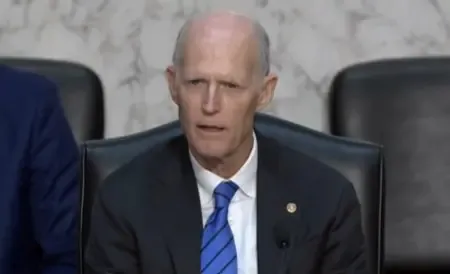
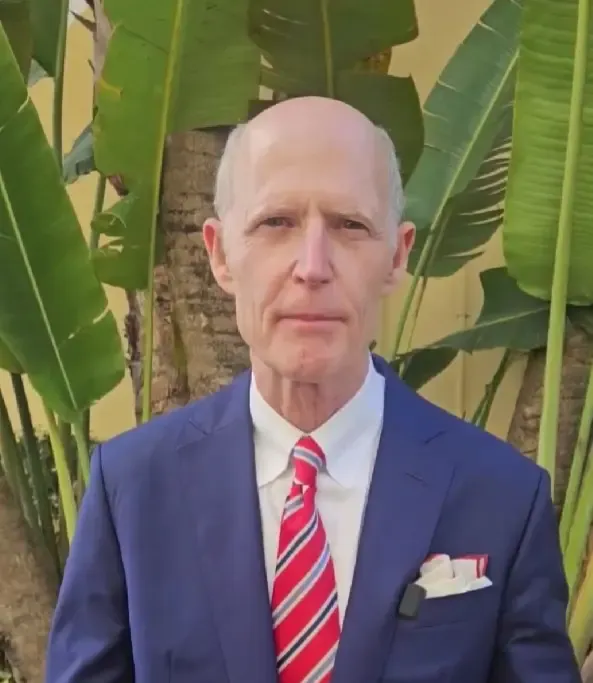
Washington, Feb 19 (NationPress) US Senator Rick Scott has put forward a new bill aimed at preventing Chinese nationals from entering any area of the United States without a valid visa, specifically targeting a visa-waiver initiative that permits travel to American Pacific territories.
Scott's One Nation, One Visa Policy Act seeks to prohibit "Communist Chinese nationals from entering the United States without a valid visa and excluding them from any visa-free travel program, such as the Guam–Commonwealth of the Northern Mariana Islands Visa Waiver Program."
This action follows what Scott described as "horrific reports" regarding the misuse of an Obama-era program that grants visa-free access to the Commonwealth of the Northern Mariana Islands (CNMI).
“Communist China has a history of exploiting America’s vulnerabilities to further its own agenda and jeopardize our national security, and the alarming reports regarding their abuse of an Obama-era visa program exemplify this,” Scott stated.
“This program granted Chinese nationals a visa-free fast track to US territories, creating a backdoor for them to infiltrate our nation,” he added.
Scott emphasized that his legislation “makes it abundantly clear that no segment of the United States, including our territories, will be exploited by Communist China.”
“We must close Communist China’s backdoor into our country by abolishing this reckless program and ensuring thorough vetting for any Chinese individual wishing to enter our nation,” he said.
In a January 15 correspondence to Homeland Security Secretary Kristi Noem and Interior Secretary Doug Burgum, Scott, along with Senators Jim Banks and Markwayne Mullin, urged the administration to terminate what they labeled a “lingering Obama- and Biden-era policy” that allows Chinese nationals to gain expedited American citizenship.
“This poses a clear and serious risk to national security in both the short and long term,” the senators warned.
The letter referenced a “Wall Street Journal investigation” shedding light on a related national security issue: Chinese nationals increasingly using the US surrogacy system to gain American citizenship for their children, frequently bypassing traditional immigration vetting processes.
It pointed out that in 2009, “former President Obama initiated a categorical parole program that allowed Chinese nationals to visit the Commonwealth of the Northern Mariana Islands without a tourist visa and the necessary vetting.”
The Guam-CNMI Visa Waiver Program was established in 2009 to stimulate tourism and economic growth in the islands. Under current regulations, specific foreign nationals can enter under unique visa-waiver provisions authorized by the Department of Homeland Security.
According to the letter, “birth tourism in Saipan has surged,” with the number of births by visiting Chinese mothers increasing from “fewer than 10 annually in 2009 to nearly 600 by 2018.”
The senators also claimed that some Chinese nationals utilized visa-free travel to attempt unlawful entry into other regions of the United States, citing federal prosecutions related to smuggling operations between Saipan and Guam.
The CNMI is a US territory in the western Pacific. Presently, certain foreign nationals can enter under special visa-waiver arrangements specific to the territory.
Point of View
It's crucial to recognize the complexities surrounding immigration policy, especially as it pertains to national security. Senator Rick Scott's proposed legislation highlights a growing concern regarding foreign nationals' access to US territories. While the intention is to bolster security, it's essential to consider the broader implications for diplomatic relations and the economic impact on tourism in these regions.
NationPress
6 Oct 2026
Frequently Asked Questions
What is the main goal of Senator Scott's legislation?
The primary aim of Senator Rick Scott 's legislation is to prohibit Chinese nationals from entering the United States without a valid visa, targeting a visa-waiver program that allows travel to American Pacific territories.
What are the concerns related to the visa waiver program?
Concerns include potential national security risks, as the program could be exploited by Communist China to gain access to US territories, as highlighted by reports of misuse of the program.
What does the One Nation, One Visa Policy Act entail?
The bill aims to eliminate visa-free travel for Chinese nationals and ensure thorough vetting for anyone wishing to enter the United States.
How has the birth tourism issue been addressed?
The letter from the senators noted that birth tourism in Saipan has significantly increased, with births by visiting Chinese mothers surging from fewer than 10 in 2009 to nearly 600 by 2018.
What is the Guam-CNMI Visa Waiver Program?
Established in 2009, this program allows holders of certain passports, like those from Hong Kong, to enter the Commonwealth of the Northern Mariana Islands without a visa for up to 45 days.