US Senators Urge Action Against Chinese Automakers Threat
Synopsis
In a significant move, top US senators are calling on President Trump to prevent Chinese automakers from entering the US market, citing serious national security risks and the impact on American jobs. This bipartisan concern highlights the growing tension over China's influence in critical supply chains.
Key Takeaways
US senators are advocating against Chinese automakers.
Concerns include national security and American job displacement.
The US auto sector is vital, contributing 3 to 5 percent of GDP.
Chinese state subsidies create an unfair competitive landscape.
Modern vehicles pose risks related to sensitive data transmission.
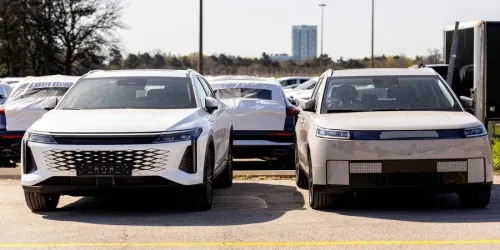
Washington, April 5 (NationPress) Prominent US senators have urged President Donald Trump to prevent Chinese automobile manufacturers from entering the US market, citing potential threats to national security and American employment, as noted in a congressional press release.
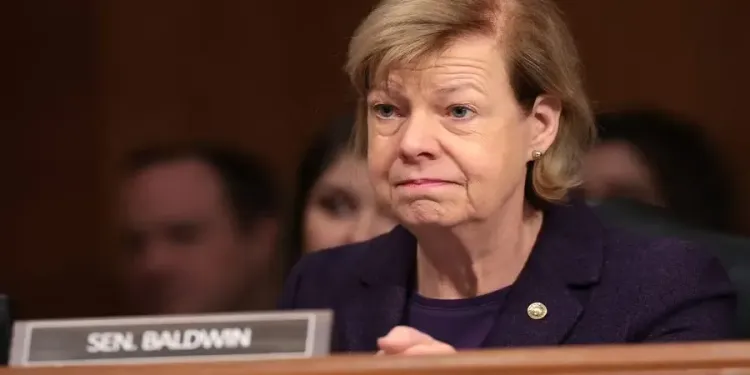
Senators Tammy Baldwin, Chuck Schumer, and Elissa Slotkin expressed their concerns after Trump indicated a willingness to allow Chinese companies to operate in the US, stating at a forum: “Let China come in.”
In a formal letter to the president, the senators cautioned: “Permitting automakers based in China, which are supported by the Chinese Communist Party (CCP), to manufacture and market vehicles in the United States could lead to severe repercussions for our economy and national security.”
They emphasized: “We strongly encourage you to maintain your stance and clarify that Chinese auto manufacturers and their products pose extraordinary threats to our economic and national security, and their production, sale, or operation on American soil is not up for discussion.”
The lawmakers also requested that the administration block Chinese vehicles produced in Canada and Mexico from entering the US market, while collaborating with allies to combat what they characterized as an escalating global threat.
The letter highlighted that the US automotive industry contributes approximately 3 to 5 percent of GDP and supports nearly 10.95 million jobs, encompassing a vast supply chain that includes steel, semiconductors, and tires.
They argued that Chinese state subsidies and labor practices distort competition, stating that China’s approach of “unlawful state subsidies” along with “low wages and inadequate working conditions” creates an unfair advantage for US workers.
Moreover, they warned that the vertically integrated supply chains of Chinese companies could lead to a displacement of American jobs. “For each position on a vehicle assembly line, there are about two jobs in the auto parts and supplier network,” the letter highlighted.
The senators raised alarms about the deepening automotive ties between China, Canada, and Mexico, including lowered tariffs on Chinese electric vehicles in Canada, which they see as a potential threat to North American trade agreements.
Concerns regarding national security were prevalent. Lawmakers pointed out that modern connected vehicles might transmit sensitive information about infrastructure. They cautioned that these systems “can link with external systems, relaying information about our infrastructure and built environment to outside entities.”
They also expressed worries about risks associated with remote control capabilities and the connections between Chinese corporations and military-civil fusion strategies.
“The United States must reaffirm our unequivocal stance – that Chinese vehicles of all kinds and manufacturers are not permitted to operate here in any capacity,” the senators stated, calling for ongoing restrictions on connected vehicles.
This initiative underscores broader bipartisan apprehensions in Washington regarding China’s influence in critical supply chains, encompassing technology, manufacturing, and infrastructure.
Point of View
The recent call from US senators to block Chinese automakers reflects a significant concern over national security and economic integrity. This bipartisan stance highlights the urgency to protect American interests in the face of increasing competition and potential risks from foreign entities.
NationPress
19 Sept 2026
Frequently Asked Questions
What are the concerns about Chinese automakers?
US senators are concerned that allowing Chinese automakers to operate could pose threats to national security and displace American jobs due to unfair competition practices.
Who are the senators advocating against Chinese automakers?
The senators advocating against Chinese automakers are Tammy Baldwin, Chuck Schumer, and Elissa Slotkin.
What is the economic impact of the US auto sector?
The US auto sector accounts for approximately 3 to 5 percent of GDP and supports nearly 10.95 million jobs.
What actions are being proposed to counter the threat?
The senators are urging the administration to block Chinese vehicles made in Canada and Mexico and to coordinate with allies to address the perceived threat.
What are the implications of modern connected vehicles?
Connected vehicles may transmit sensitive data about infrastructure, raising concerns about national security and external access to critical information.