Could China’s EV Deal with Canada Undermine Domestic Auto Production?
Synopsis
The implications of China's EV export deal with Canada may threaten the nation’s automotive industry. As Canada navigates these waters, the potential for dependency on Chinese manufacturers raises significant concerns about market autonomy and economic stability.
Key Takeaways
China's EV deal with Canada is about more than market access.
It could potentially harm Canada's domestic auto industry .
Chinese brands are rapidly increasing their share in global markets .
Canada must navigate trade dependencies carefully.
Concerns about subsidized pricing and espionage are significant.
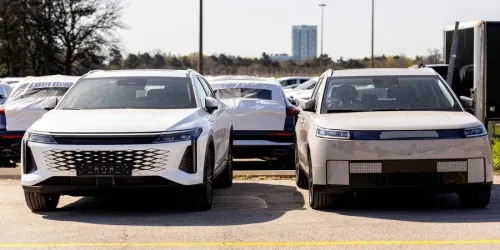
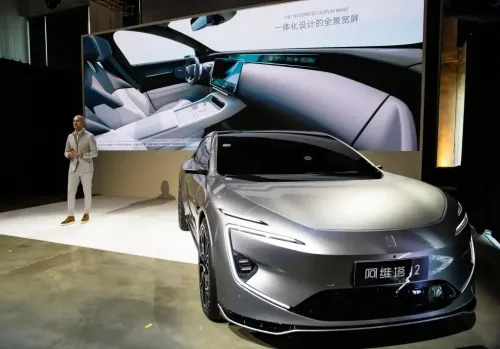
New Delhi, Jan 17 (NationPress) China's agreement with Canada to export as many as 49,000 electric vehicles (EVs) is not merely about gaining market access; it is a strategy aimed at achieving market supremacy that could severely impact the North American nation’s domestic auto manufacturing, according to a report.
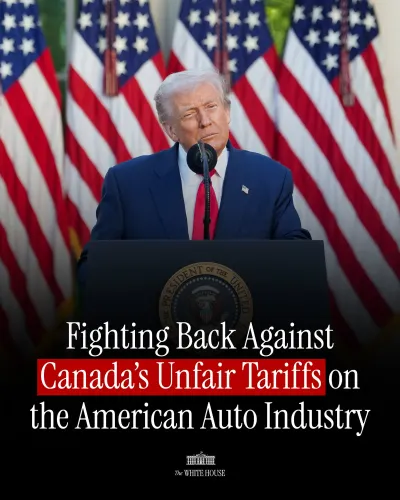
The report published by Windsor Star mentioned that while Canada’s Prime Minister Mark Carney was in Beijing, he should be aware that Chinese President Xi Jinping shares a similar perspective to US President Donald Trump in wishing for Canada not to produce cars.
The analysis indicated that China's intention to inundate foreign markets with affordably priced vehicles, especially EVs, poses a significant threat to established auto manufacturers in Canada, potentially leaving the country reliant on Chinese suppliers without the advantages of a unified North American market.
It further highlighted the swift advancements made by Chinese automotive brands in various regions, noting that their share of new-car sales in Europe surged from below 3 percent at the beginning of 2025 to over 10 percent by the end of that year.
China is investing heavily to solidify its position in the global automotive sector, as quoted by Robin J. Brooks, an economist and senior fellow at the Brookings Institute in Washington, D.C.
He remarked, "In Europe, the proportion of Chinese vehicles has escalated from 4 percent of all imported automobiles to 14 percent last year, and by various measures, over 10 percent of all cars sold in late 2025."
In Brazil, where Chinese vehicles constituted about 10 percent of vehicle imports in 2019, this figure skyrocketed to 36 percent by October 2025. Notably, Chinese EVs dominate 80 percent of Brazil's electric vehicle market.
While Canada produces approximately 1.3 million cars annually, Brazil’s output is nearly double that, at close to 2.6 million vehicles per year.
The report also cautioned that China is likely to employ subsidized pricing strategies and an industrial policy focused on achieving dominance, along with raising concerns regarding potential spyware.
aar/na
Point of View
It's crucial to recognize the implications of this deal. While economic partnerships are essential, we must remain vigilant about the long-term effects on our domestic industries and ensure that Canada's automotive sector maintains its integrity and competitiveness.
NationPress
19 Sept 2026
Frequently Asked Questions
What is the significance of China's EV deal with Canada?
The deal represents a strategic move by China to penetrate the North American automotive market, potentially undermining Canada's domestic production capabilities.
How many EVs is China exporting to Canada?
China plans to export up to 49,000 electric vehicles to Canada.
What are the concerns regarding this deal?
Concerns include market dependency on Chinese suppliers, potential impacts on domestic manufacturing, and issues related to pricing and espionage.
How does this affect the auto market in Canada?
It could lead to a significant decrease in Canadian auto production and increase reliance on foreign manufacturers.
What lessons can be learned from China's market strategy?
China's approach highlights the importance of strategic planning and competitiveness in the global market, particularly in emerging sectors like electric vehicles.