Uyghur Congress urges Trump to press Xi on Xinjiang genocide at Sept 24 summit
Synopsis
With Xi Jinping set to visit Washington on 24 September, the World Uyghur Congress is demanding Trump make Uyghur genocide a non-negotiable agenda item — not a diplomatic footnote. The US State Department reaffirmed its genocide classification just days ago, raising the stakes for what Trump chooses to say or stay silent on in the room.
Key Takeaways
The World Uyghur Congress (WUC) has urged President Donald Trump to raise the Uyghur genocide during Xi Jinping's visit to Washington on 24 September 2026 .
The US State Department reaffirmed its genocide classification for Xinjiang in an official statement on 10 September 2026 .
WUC President Turgunjan Alawdun called the summit 'a strategic moment to move beyond words of condemnation.' The WUC highlighted growing labour transfer programmes and the Ethnic Unity and Progressive Law as tools of ongoing repression.
The group also demanded Washington press Beijing to end transnational repression targeting Uyghur, Tibetan, Hong Kong, and Chinese diaspora communities on US soil.
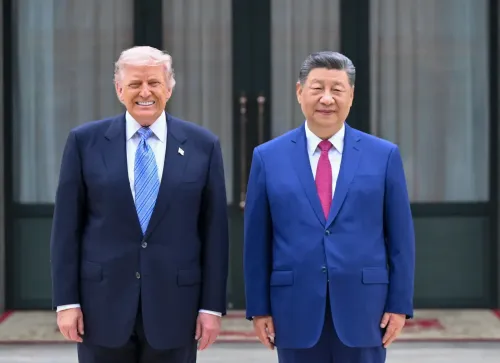
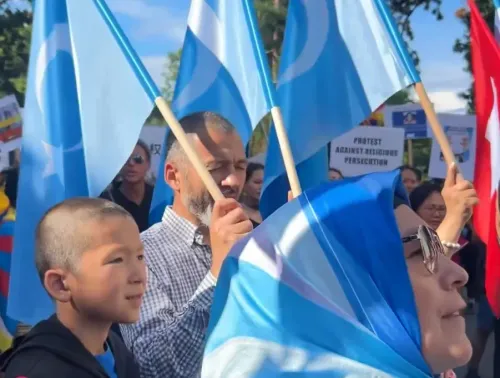
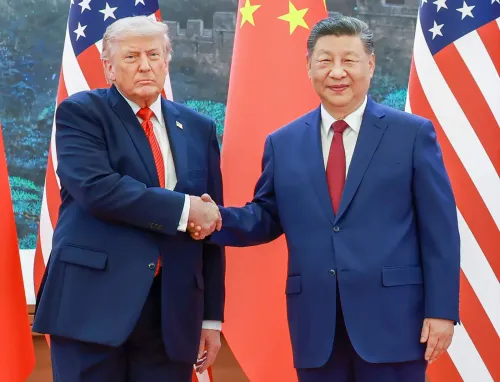
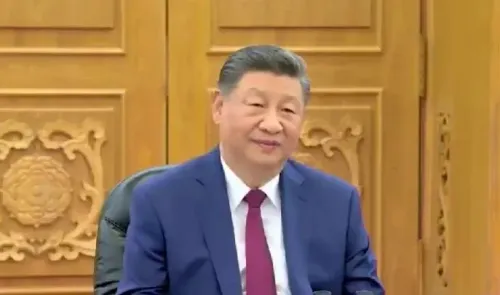
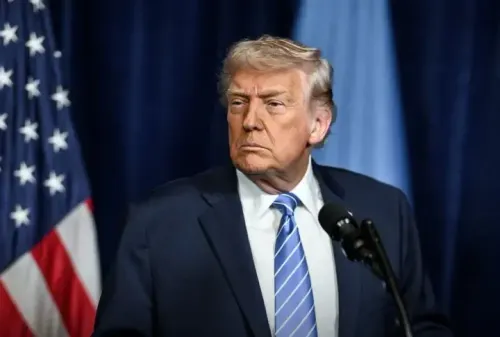
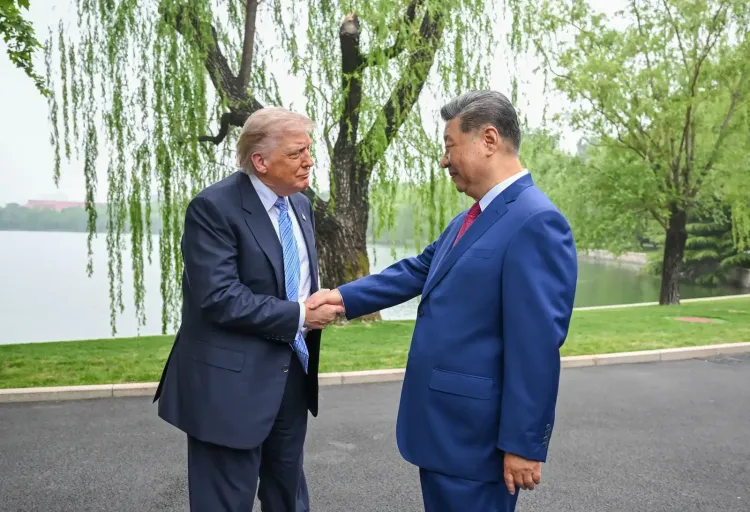
The World Uyghur Congress (WUC) has formally called on US President Donald Trump and his administration to raise the issue of the Uyghur genocide in China's Xinjiang Uyghur Autonomous Region during President Xi Jinping's planned visit to Washington on 24 September 2026. The appeal also covers what the WUC describes as Beijing's systematic transnational repression of diaspora communities on American soil and beyond.
Background: US Recognition of the Genocide
The United States formally recognised the situation in Xinjiang as a genocide for the first time on 19 January 2021, according to the WUC. The US State Department reaffirmed that position in an official statement on 10 September 2026 — weeks ahead of Xi's scheduled Washington visit — signalling that the classification remains US policy.
What the WUC Is Demanding
WUC President Turgunjan Alawdun described the upcoming summit as a decisive diplomatic window. 'Xi's visit to Washington is a strategic moment to move beyond words of condemnation on the Uyghur genocide. The United States has been a strong and vocal ally to the Uyghur people, and Donald Trump has to use this opportunity to continue proving it,' Alawdun said.
The organisation is urging US leaders to demand that Beijing halt what it calls the 'genocide of Uyghurs and other human rights violations' and honour its international human rights obligations as a condition for normal bilateral relations.
Ongoing Repression Tactics, According to WUC
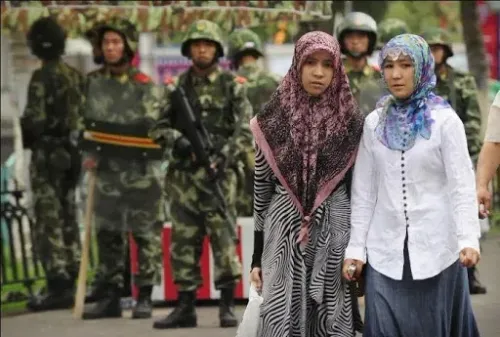
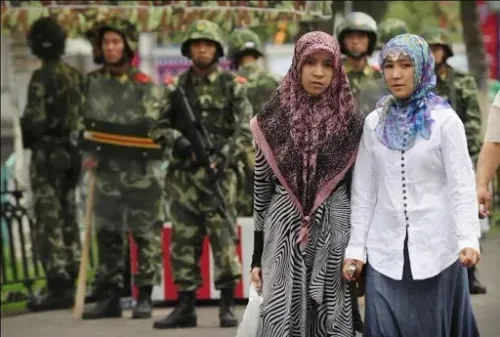
The WUC contends that while Chinese authorities have shifted their methods over time, millions of detained and disappeared individuals remain unaccounted for. The group specifically highlighted labour transfer programmes, which it says have grown in recent years, forcibly displacing Uyghur workers. It also pointed to the Ethnic Unity and Progressive Law, arguing that even basic expressions of religious and cultural identity have been criminalised under it.
'Labour transfer programs have increased in recent years, forcibly displacing Uyghur workers and coercing them into work. With the implementation of the Ethnic Unity and Progressive Law, even the most basic expressions of religious and cultural rights have been criminalised,' the WUC said.
Transnational Repression on US Soil
The WUC also accused the Chinese government of actively targeting diaspora communities in the United States, including Uyghur, Tibetan, Hong Kong, and broader Chinese diaspora groups, through intimidation and threats directed particularly at human rights activists. 'Such horrific atrocities necessitate a robust and coordinated response from the United States and the international community,' the group stated, urging Washington to press Beijing to end transnational repression operations on American territory.
Stakes for the Xi Visit
The 24 September meeting comes at a fraught moment in US-China relations, with trade, technology, and security tensions already defining the bilateral agenda. Human rights advocates argue that elevating the Xinjiang issue at the summit level — rather than leaving it to lower-level diplomatic channels — would carry measurable symbolic and legal weight. Whether the Trump administration chooses to make the genocide a centrepiece demand, or treats it as one item in a broader negotiating package, is expected to shape perceptions of Washington's credibility on human rights commitments going forward.
Point of View
And the Xinjiang file risks being traded away quietly. The real test is not whether genocide is mentioned, but whether it is attached to any concrete consequence.
NationPress
18 Sept 2026
Frequently Asked Questions
What is the World Uyghur Congress asking the US to do?
The World Uyghur Congress is urging President Trump to formally and substantively raise the Uyghur genocide and transnational repression during Xi Jinping's Washington visit on 24 September 2026. It is also asking the US to make an end to these practices a condition for normal relations with China.
Has the US officially recognised the Xinjiang situation as genocide?
Yes. The United States first formally recognised the situation in Xinjiang as a genocide on 19 January 2021. The US State Department reaffirmed that position in an official statement on 10 September 2026, weeks before Xi's scheduled visit.
What does the WUC say is happening in Xinjiang right now?
According to the WUC, millions of detained and disappeared individuals remain unaccounted for. The group says labour transfer programmes have grown, forcibly displacing Uyghur workers, and that the Ethnic Unity and Progressive Law has criminalised basic religious and cultural expression.
What is transnational repression and why does it matter for the US?
Transnational repression refers to efforts by the Chinese government to intimidate, threaten, or surveil diaspora communities — including Uyghur human rights activists — outside China, including on US soil. The WUC is calling on Washington to press Beijing to end such operations in American territory.
Why is Xi Jinping's visit seen as a critical moment for Uyghur advocates?
Xi Jinping's visit to Washington on 24 September 2026 represents a rare summit-level opportunity to attach human rights conditions to US-China relations. Advocates argue that raising the issue at presidential level carries far more diplomatic weight than lower-level channels, especially given the State Department's fresh reaffirmation of the genocide label.