US-China ties will define 21st century: Rubio defends Trump-Xi meeting
Synopsis
Standing at the UN General Assembly, Secretary of State Marco Rubio made a blunt case: the US and China must talk at the highest level, even amid sharp disagreements on trade, supply chains, security and geopolitics. With Treasury Secretary Bessent already in trade talks and an Xi visit to Washington imminent, the diplomatic machinery between the world's two largest economies is in higher gear than the public rhetoric suggests.
Key Takeaways
Marco Rubio defended the Trump-Xi summit at the UN General Assembly on 24 September 2026 , calling direct engagement 'responsible.' Rubio said the US-China relationship 'will define the 21st century,' citing the scale of both economies and their military footprints.
Treasury Secretary Scott Bessent met Chinese officials on Sunday to discuss trade issues ahead of the summit.
Key agenda areas include trade, supply chains, critical minerals , and pharmaceuticals ; the Iran and Ukraine conflicts were raised but no agenda was confirmed.
The leaders may also meet at APEC in China and the G20 in Florida later this year.
Rubio declined to pre-announce talking points, arguing that publicising the agenda in advance could complicate diplomacy.
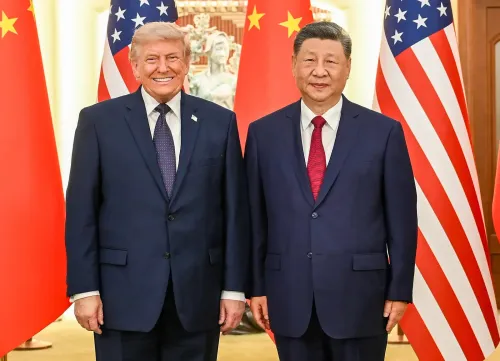
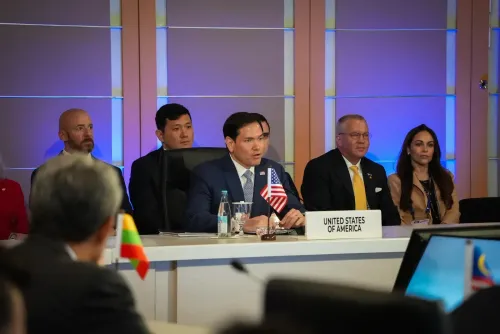
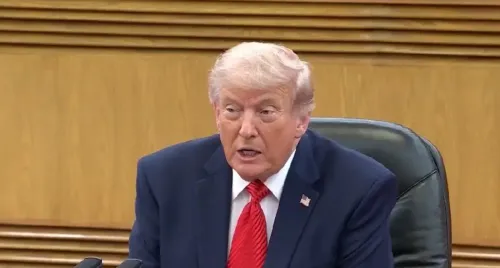
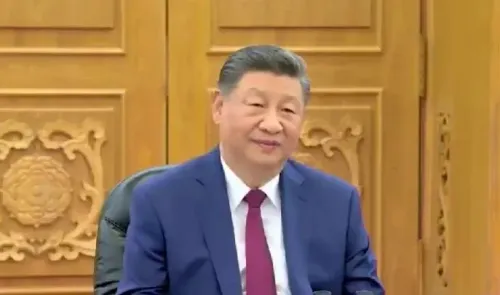
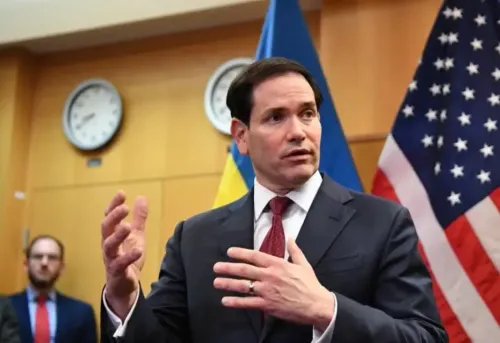
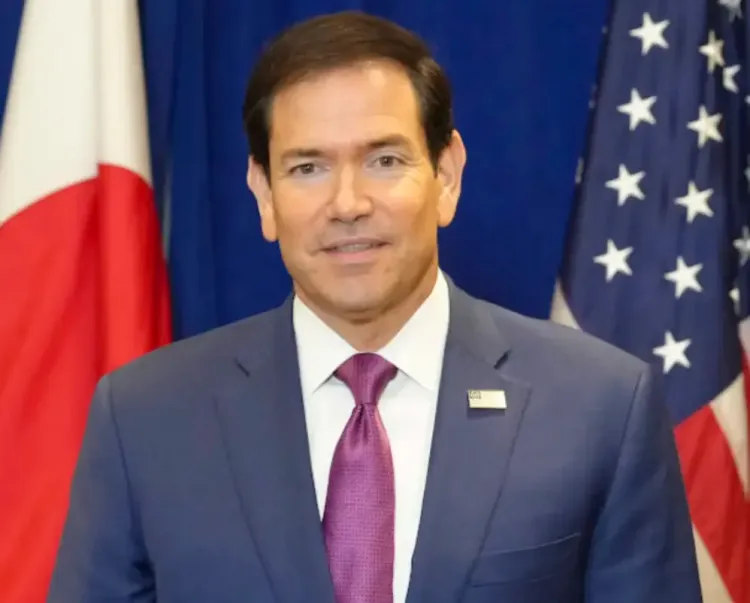
US Secretary of State Marco Rubio on 24 September 2026 defended President Donald Trump's decision to host Chinese President Xi Jinping in Washington, arguing that the leaders of the world's two largest economies have a responsibility to engage directly despite deep disagreements over trade, supply chains, and security. Rubio made the remarks to reporters on the sidelines of the United Nations General Assembly (UNGA) in New York.
Why Rubio Says the Meeting is Non-Negotiable
'The relationship between the United States and China will define the 21st century,' Rubio told reporters. He said it would be 'irresponsible' for the two countries' leaders to avoid direct talks, adding that engagement does not imply agreement. 'That doesn't mean we don't have strong disagreements; of course we do,' he said.
Rubio drew a historical parallel with Cold War-era US-Soviet contacts, arguing that even rivals must maintain lines of communication. He said Trump's approach reflected the scale of China's economy and military, as well as the multiple friction points between the two governments.
Trade, Supply Chains and Critical Minerals on the Table
Rubio identified trade, supply chains, and critical minerals as among the key issues the two sides would address. He confirmed that Treasury Secretary Scott Bessent had already met Chinese officials on Sunday to discuss trade matters, describing those exchanges as direct but emphasising the value of private diplomatic space.
On supply chains, Rubio was notably specific: the issue would be raised with Beijing, he said, and Washington would continue working with partner countries to diversify supplies. He extended that concern beyond critical minerals to pharmaceuticals and other goods, citing US cooperation with Japan and South Korea — whose advanced technology industries share similar supply-chain security concerns. The three countries had held several meetings in recent months, he said.
Agenda Kept Deliberately Vague
When pressed on whether Trump would seek Xi's help in pushing negotiations toward ending the conflicts in Iran and Ukraine, Rubio declined to outline a formal agenda. 'We'll talk about everything that's relevant. We'll talk about everything that's important,' he said, arguing that pre-announcing talking points could complicate diplomacy.
Rubio also declined to confirm whether Trump would raise China's reported commercial and military-industrial ties with Iran and Russia, saying any joint announcements arising from the talks would be made public by both sides.
Broader Diplomatic Calendar
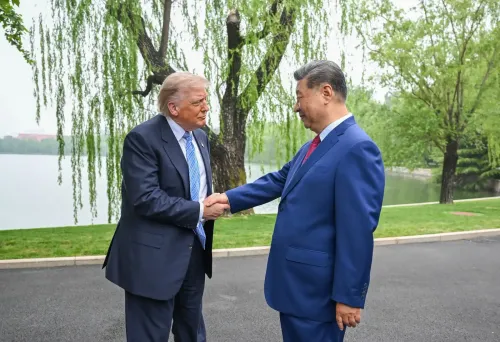
Rubio noted that Trump had visited China earlier this year as part of a reciprocal arrangement under which Xi would visit the United States. He added that the two leaders could have further opportunities to meet later this year at APEC in China and the G20 in Florida. No specific agreements from the Washington visit were announced ahead of the meeting.
Asked about Americans detained abroad, Rubio said the administration routinely raises such cases with other governments but did not name a specific detainee or indicate what Trump would ask of Xi on that front.
Strategic Context
The United States and China remain each other's most consequential economic partners; their decisions on tariffs, technology access, and raw materials ripple through global supply chains well beyond their borders. Both nations hold permanent seats on the UN Security Council, giving their bilateral relationship a structural weight in shaping multilateral outcomes. This comes amid a period of recalibrated engagement following months of trade negotiations and technology export restrictions.
Whether the Washington summit produces binding deliverables or merely resets the tone of the relationship, the optics and substance of the Trump-Xi meeting will be closely watched by allies and rivals alike.
Point of View
Arms races, or economic decoupling, and the current US-China dynamic is arguably more entangled. The conspicuous vagueness on Iran, Russia, and detained Americans signals that Washington is managing expectations aggressively — suggesting the summit's value may be symbolic rather than transactional. The real test will be whether the private conversations Rubio is so carefully protecting produce any measurable shift in Beijing's behaviour on supply chains and third-party military ties.
NationPress
24 Sept 2026
Frequently Asked Questions
Why is the US hosting Chinese President Xi Jinping?
The visit is part of a reciprocal arrangement following President Trump's trip to China earlier this year. Secretary of State Marco Rubio said direct leader-level engagement is necessary given the scale of both countries' economies and their points of friction on trade, supply chains, and security.
What issues will Trump and Xi discuss at their Washington meeting?
Rubio identified trade, supply chains, critical minerals, and pharmaceuticals as key topics. He declined to confirm whether the Iran and Ukraine conflicts or China's ties with Russia and Iran would be formally on the agenda, saying the leaders would discuss 'everything that's relevant.'
Has US-China trade diplomacy already begun ahead of the summit?
Yes. Treasury Secretary Scott Bessent met Chinese officials on Sunday to discuss trade issues, according to Rubio. He described these exchanges as direct but stressed the importance of giving officials room to speak privately.
Could Trump and Xi meet again after the Washington visit?
Rubio said the two leaders could have additional opportunities to meet later in 2026 at APEC in China and at the G20 in Florida, suggesting a broader pattern of sustained high-level engagement.
What is the broader significance of the US-China relationship?
The United States and China are the world's two largest economies and both hold permanent seats on the UN Security Council. Their decisions on tariffs, technology, and critical materials affect businesses and governments far beyond their borders, making the bilateral relationship one of the most consequential in global affairs.