Xi Jinping calls 2026 a 'historic, landmark year' for China-US ties
Synopsis
Xi Jinping used his face-to-face with Donald Trump in Beijing to cast 2026 as a generational turning point — invoking the Thucydides Trap and calling for a 'new paradigm' of major-country relations. Whether the soaring language translates into structural change on trade, tech, and Taiwan is the question that will define whether this summit is remembered as a genuine reset or a diplomatic photo op.
Key Takeaways
Xi Jinping told Donald Trump in Beijing on 14 May that he expects 2026 to be a 'historic, landmark year' for China-US relations .
Xi said China and the US have more common interests than differences and should be 'partners instead of rivals.' He invoked the Thucydides Trap , questioning whether the two powers can avoid strategic conflict and build a new model of major-country coexistence.
Xi described global transformation as 'accelerating' and the international situation as 'fluid and turbulent,' framing the summit as a critical crossroads moment.
No specific agreements were immediately reported; analysts will watch for concrete follow-through on trade, technology, and Taiwan .
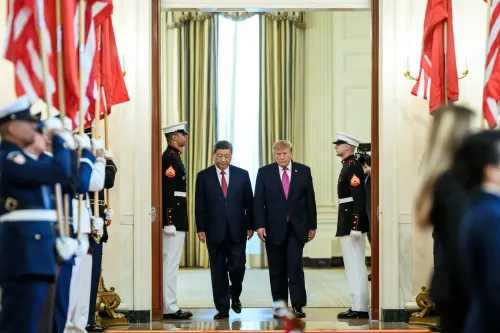
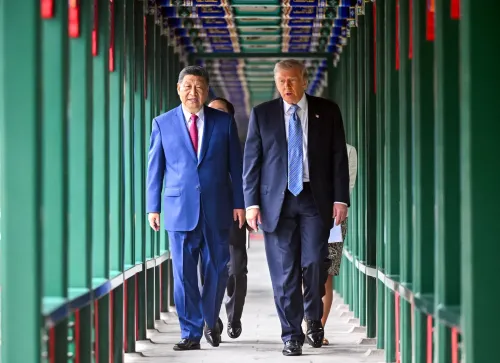
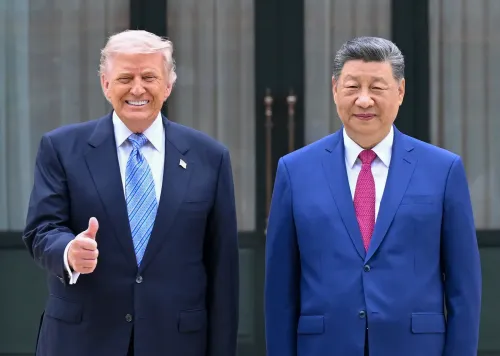
Chinese President Xi Jinping on Thursday, 14 May declared that he expects 2026 to be a 'historic, landmark year' that opens a new chapter in China-US relations, speaking directly to visiting US President Donald Trump during high-level talks in Beijing. The remarks signal Beijing's intent to frame the bilateral relationship in sweeping, generational terms at a moment of acute global uncertainty.
Key Statements from Beijing Talks
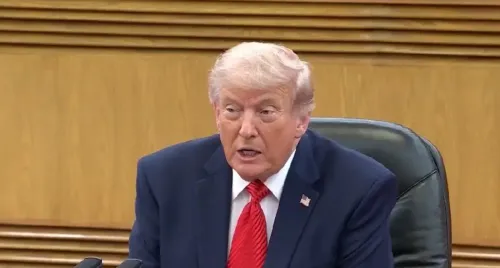
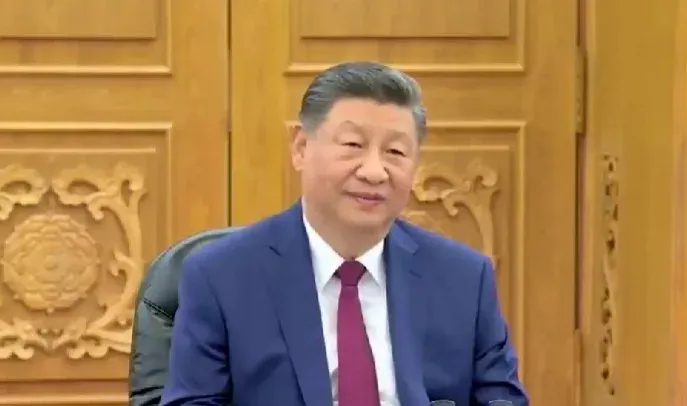
Xi told Trump that China and the United States share more common interests than differences, and that success for one nation represents an opportunity for the other. He argued that a stable bilateral relationship benefits not just the two powers but the world at large. 'I look forward to our discussions on major issues important to our two countries and the world, and working together with you to set the course and steer the giant ship of China-US relations,' Xi said, according to state media.
Xi explicitly called on both nations to 'help each other succeed and prosper together' and to 'find the right way for major countries to get along well with each other in the new era' — language that signals a preference for structured coexistence over open rivalry.
The 'Thucydides Trap' Question
Xi framed the meeting in historical terms, invoking the concept of the Thucydides Trap — the theory that a rising power challenging an established one risks inevitable conflict. 'Can China and the United States overcome the Thucydides Trap and create a new paradigm of major-country relations?' Xi asked, according to reports. He posed three interconnected questions: whether the two nations can avoid strategic collision, jointly address global challenges, and build a future that serves the well-being of both peoples and humanity. He described these as 'questions of our times that the leaders of major countries need to answer together.'
Global Context and What It Signals
Xi noted that 'transformation not seen in a century is accelerating across the globe' and that the international situation remains 'fluid and turbulent,' describing the world as standing at 'another crossroads.' This framing is consistent with Beijing's broader diplomatic posture, which has repeatedly cast China as a stabilising force in a fractured world order. Notably, the Trump-Xi meeting in Beijing comes amid an ongoing recalibration of trade and tariff tensions between the two economies — making the tone of the summit diplomatically significant beyond the rhetoric.
What Comes Next
No specific agreements or joint communiqués were immediately reported from the talks. The emphasis on 2026 as a 'landmark year' suggests both sides may be working toward a structured framework or milestone announcement before the year closes. Analysts will watch whether the summit's conciliatory language translates into concrete steps on trade, technology access, and Taiwan — the three fault lines that have defined the relationship in recent years.
Point of View
Landmark year' framing is deliberate statecraft — it sets a reputational stake in the ground that both sides will be measured against by year-end. But the gap between Beijing's soaring rhetoric and structural reality is wide: trade tensions, semiconductor restrictions, and Taiwan remain unresolved. Invoking the Thucydides Trap is a double-edged move — it acknowledges the collision risk that most Western analysts flag, while implying China believes it can be avoided on its own terms. The real test is not what was said in Beijing on 14 May, but whether any binding framework emerges before 2026 closes. Without one, this summit risks becoming another entry in a long list of warm summits followed by cold policy.
NationPress
26 Sept 2026
Frequently Asked Questions
What did Xi Jinping say to Donald Trump during the Beijing summit?
Xi Jinping told Trump that he expects 2026 to be a 'historic, landmark year' that opens a new chapter in China-US relations. He said the two countries share more common interests than differences and should act as partners rather than rivals.
What is the Thucydides Trap, and why did Xi mention it?
The Thucydides Trap refers to the theory that a rising power challenging an established one tends to lead to conflict — a dynamic often applied to China and the US. Xi raised it directly, asking whether the two nations can overcome it and create a new paradigm for major-country relations.
Where and when did the Trump-Xi meeting take place?
The talks were held in Beijing on Thursday, 14 May 2026, with Trump visiting China for the high-level bilateral summit.
Were any agreements reached at the Beijing summit?
No specific agreements or joint statements were immediately reported from the talks. The summit's significance is largely diplomatic and rhetorical at this stage, with concrete outcomes yet to be confirmed.
Why does the China-US relationship matter for the rest of the world?
Xi himself noted that a stable China-US bilateral relationship 'is good for the world.' The two economies are the world's largest, and their interaction on trade, technology, and security shapes global markets, supply chains, and geopolitical stability.