US states emerge as China competition frontline, experts warn Congress
Synopsis
Security experts told a key congressional committee on 27 June that Beijing has quietly shifted its focus from Washington to America's state capitals, university campuses, and local infrastructure — exploiting weaker oversight at the sub-federal level. With state lawmakers reportedly facing economic threats and online intimidation for pushing back, the contest is no longer just a federal problem.
Key Takeaways
The House Select Committee on the Chinese Communist Party held a hearing on 27 June on Chinese influence at the state and local level.
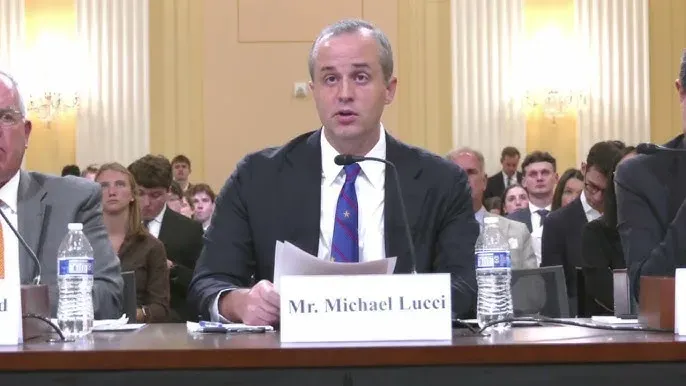
Michael Lucci of State Armor warned that state governments are 'on the front lines' of US-China strategic competition.
Alleged Chinese tactics include land purchases near US Air Force bases , telecom equipment placement near strategic sites, and university research partnerships linked to China's defence industry.
Texas has established a state cyber command; both Texas and Nebraska have passed foreign influence legislation.
State lawmakers who backed protective measures reportedly faced economic threats and online intimidation, according to Lucci's testimony.
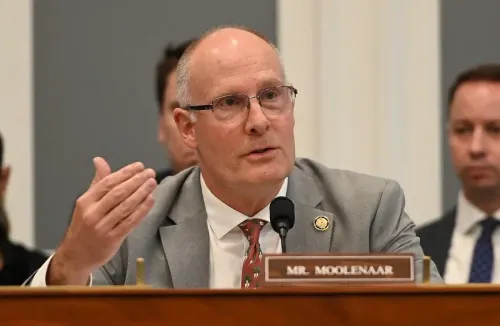
Committee Chairman John Moolenaar described local institutions as 'soft targets' due to lower federal oversight.
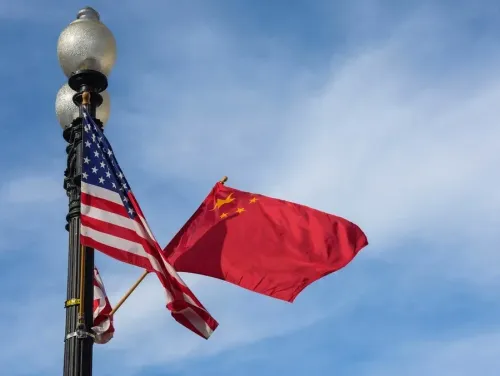
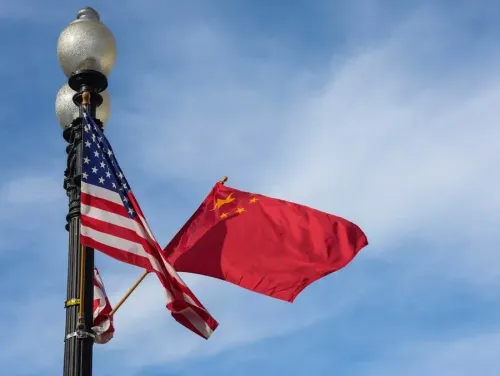
State governments across the United States have become a critical new battleground in Washington's strategic rivalry with China, with security experts and lawmakers cautioning that Beijing is systematically targeting local institutions, universities, critical infrastructure, and state legislatures — often below the radar of federal oversight. The warning came into sharp focus on 27 June during a hearing of the House Select Committee on the Chinese Communist Party.
Key Developments at the Congressional Hearing
Witnesses before the committee argued that Chinese influence operations have expanded well beyond federal agencies, exploiting gaps at the state and local levels. Michael Lucci, founder and chief executive of State Armor, told lawmakers that 'the American homeland is contested' and that state governments were increasingly confronting security threats that had traditionally been the preserve of federal bodies.
'States are on the front lines of this contest, and the Chinese Communist Party is exploiting vulnerabilities at the state and local level that can go overlooked here in Washington DC,' Lucci said.
What China Is Allegedly Targeting
Lucci cited several areas of concern, including land purchases near US Air Force bases and the placement of telecommunications equipment close to strategic sites — moves he described as efforts to position assets near sensitive military facilities. He also flagged American universities as a primary vector for Chinese influence and technology acquisition.
'From our view, the penetration of universities is a national security crisis,' Lucci said, alleging that some federally funded research programmes had developed partnerships with Chinese institutions linked to that country's military and defence industry.
How States Are Responding
According to Lucci, states including Texas and Nebraska have introduced measures to counter these threats. Texas has established a dedicated state cyber command to address cyber threats affecting local communities, while both Texas and Nebraska have adopted legislation targeting foreign influence and protecting research institutions. Additional measures reportedly include restrictions on foreign ownership near military installations and steps to address what Lucci described as transnational repression.
Pressure on State Lawmakers
Lucci further alleged that state legislators who backed such protective measures had themselves faced intimidation. He told the committee that some lawmakers had received economic threats or online harassment after proposing foreign agent registration laws. He characterised the effort as 'not normal advocacy' but 'a pressure campaign from a non-democratic actor acting within our democratic system.'
Committee Chairman John Moolenaar echoed those concerns, describing state legislatures, municipal governments, universities, and community organisations as 'soft targets' for influence operations, given that they typically operate with less oversight than federal institutions.
Broader Context and What Comes Next
This comes amid a sustained US effort to broaden its response to China beyond traditional military and diplomatic channels. In recent years, federal and state authorities have tightened scrutiny of foreign investments, land purchases near military facilities, and research partnerships involving sensitive technologies. The congressional hearing signals that pressure is now mounting for a more coordinated federal-state framework to close the vulnerabilities that local institutions present. How Washington translates these warnings into enforceable policy will be the defining question in the months ahead.
Point of View
Community colleges, and municipal utilities were never designed with nation-state adversaries in mind. The allegation that lawmakers faced intimidation for proposing foreign agent registration laws — if substantiated — represents a qualitative escalation beyond economic lobbying. The real policy gap is coordination: without a federal mandate that resources and standardises state-level security, the patchwork of Texas and Nebraska-style legislation will leave dozens of states exposed. Congress is diagnosing the problem; the harder question is whether it has the appetite to fund and enforce a solution.
NationPress
25 Sept 2026
Frequently Asked Questions
Why are US states considered a new battleground in the China competition?
US states are seen as more vulnerable than federal agencies because they often operate with less oversight, making them easier targets for foreign influence operations. Security experts told Congress on 27 June that Beijing has expanded its operations to exploit these gaps at the state and local level.
What did Michael Lucci tell the congressional committee?
Michael Lucci, founder and CEO of State Armor, testified that the Chinese Communist Party is exploiting vulnerabilities in state governments, universities, and critical infrastructure. He alleged that some state lawmakers who pushed back faced economic threats and online intimidation.
Which US states have taken action against Chinese influence?
Texas and Nebraska have been cited as early movers. Texas established a state cyber command to counter local cyber threats, while both states have passed legislation targeting foreign influence and protecting research institutions from partnerships linked to China's defence industry.
How is China allegedly targeting US universities?
According to testimony before the House Select Committee, some federally funded US research programmes have developed partnerships with Chinese institutions linked to China's military and defence industry. Lucci described university penetration as 'a national security crisis.'
What is the House Select Committee on the Chinese Communist Party?
It is a bipartisan committee of the US House of Representatives established to examine threats posed by the Chinese Communist Party to US national security, economic interests, and democratic institutions. Its June 27 hearing focused specifically on sub-federal vulnerabilities.