US panel warns China targets states, universities in influence push
Synopsis
A bipartisan US House panel has sounded the alarm on a far-reaching Chinese influence and espionage campaign that goes beyond Washington — reaching into state legislatures, school boards, university labs, and local businesses. The hearing's most striking finding: the CCP treats subnational American institutions as soft targets, and federal guidance to protect them has been dangerously thin.
Key Takeaways
The House Select Committee on the Chinese Communist Party held a bipartisan hearing on 27 June warning of China's expanding influence and espionage operations across the United States .
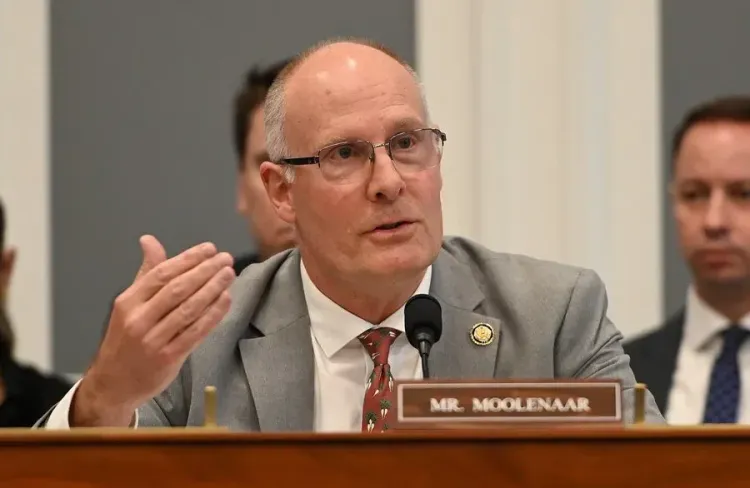
Chairman John Moolenaar said the CCP targets 'state legislatures, municipal governments, school boards, public universities, local businesses and community associations' as soft targets.
Former Acting Defence Intelligence Agency Director David Shedd testified that Beijing's campaign has accelerated China's advances in AI , quantum computing , biotechnology , and telecommunications .
Ranking Democrat Ro Khanna backed a strong response to IP theft but warned against policies that could fuel discrimination against Chinese Americans .
Asian Americans Advancing Justice urged evidence-based, targeted enforcement rather than ethnicity-linked measures.
Closer coordination between federal, state, and local authorities is expected to be a key committee recommendation.
A bipartisan House Select Committee on the Chinese Communist Party has warned that China is running an increasingly sophisticated campaign of economic espionage and political influence operations across the United States, extending well beyond federal institutions to target state governments, universities, local businesses, and community organisations. The hearing, held on 27 June in Washington, drew agreement from lawmakers on both sides of the aisle that Beijing's activities pose a mounting threat to US economic and national security.
What the Committee Heard
Committee Chairman John Moolenaar described the Chinese Communist Party (CCP) as engaged in 'an epic campaign to undermine the United States here at home,' encompassing economic espionage, cyber intrusions, covert lobbying, influence operations, and transnational repression. He argued that Beijing makes no distinction between national and subnational targets. 'State legislatures, municipal governments, school boards, public universities, local businesses and community associations are all soft targets,' Moolenaar said, adding that Beijing routinely uses trade partnerships, academic exchanges, investment initiatives, and community organisations to collect strategic information and shape local decision-making.
The Bipartisan Warning — With a Caveat
The committee's ranking Democrat, Congressman Ro Khanna, agreed that China's theft of American intellectual property demanded a firm response. 'It is undisputed that they have stolen intellectual property from American manufacturers,' Khanna said. 'We need to stop that.' However, Khanna issued a pointed caution against conflating the actions of the Chinese government with Chinese Americans. 'I am very, very passionate... that as we look at the legitimate threats that Chinese government poses to America's economic independence, we do not in any way conflate it with the harassment of Chinese immigrants, of Chinese Americans, of Chinese students, and we recognise the incredible value and role that they play in the United States,' he said.
Expert Testimony: Espionage Fuelling China's Rise
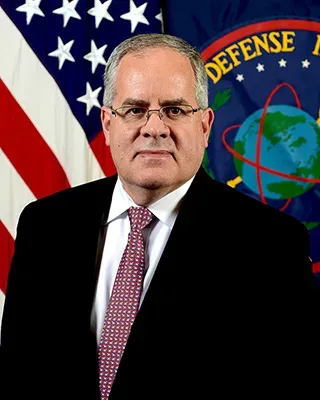
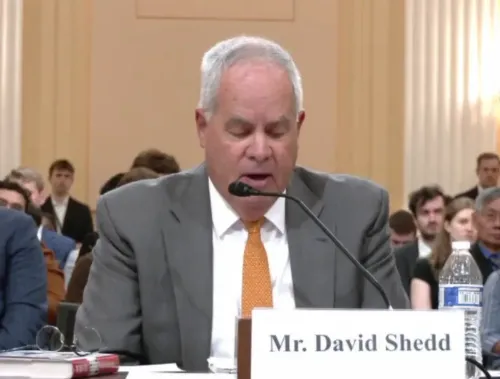
Former Acting Director of the Defence Intelligence Agency, David Shedd, told lawmakers that Beijing had constructed an extensive apparatus to acquire American technology through cyber espionage, academic collaboration, commercial investments, and intelligence operations. 'The campaign which blends cyber espionage, human intelligence, academic collaboration, and commercial investments has been instrumental in propelling China's rapid economic and military rise,' Shedd said. He argued the campaign had accelerated Chinese advances in artificial intelligence, quantum computing, biotechnology, and telecommunications.
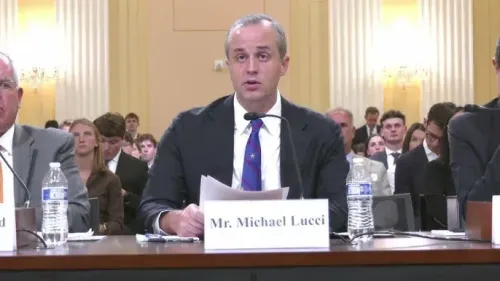
Michael Lucci, founder and chief executive of State Armor, described US states as the 'front lines' of strategic competition with China, citing concerns over land purchases near military installations, influence operations targeting state legislatures, university research partnerships, and cyber threats against local governments.
Civil Rights Concerns Raised
John C. Yang, president and executive director of Asian Americans Advancing Justice, acknowledged that China posed genuine national security challenges but urged lawmakers to pursue evidence-based enforcement rather than ethnicity-linked policies. 'A targeted approach is not necessarily a softer approach,' Yang said. 'Rather, it is a more effective one.' He warned that overly broad measures could deter scientists, students, and entrepreneurs from contributing to the United States while doing little to strengthen actual security.
Broader Congressional Posture
The hearing reflects intensifying bipartisan scrutiny in Washington over Chinese investments, research partnerships, and technology transfers. Congress has progressively tightened restrictions on sensitive exports and critical infrastructure, and the committee's proceedings signal that subnational-level vulnerabilities — long overlooked — are now firmly on the legislative agenda. Closer coordination between federal, state, and local authorities is expected to be a key recommendation in the committee's forthcoming report.
Point of View
Not just the Beltway level. Yet the committee faces a structural tension it has not resolved — the same academic and commercial channels it wants to restrict are also the ones that have made American innovation globally competitive. The civil rights guardrail raised by Khanna and Yang is not a soft concern; past episodes of racialised security policy have demonstrably chilled talent pipelines. Whether Congress can build a framework that is both surgically effective and constitutionally sound remains the central unanswered question from this hearing.
NationPress
25 Sept 2026
Frequently Asked Questions
What did the US House panel warn about China's influence operations?
The bipartisan House Select Committee on the Chinese Communist Party warned on 27 June that China is running a sophisticated campaign of economic espionage and political influence operations targeting not just federal institutions but also US state governments, universities, local businesses, and community organisations. Committee Chairman John Moolenaar described it as 'an epic campaign to undermine the United States here at home.'
Which areas has China allegedly targeted inside the United States?
According to testimony at the hearing, Beijing's operations span state legislatures, municipal governments, school boards, public universities, local businesses, and community associations. Experts cited land purchases near military installations, university research partnerships, cyber threats against local governments, and covert lobbying as specific vectors.
What did former Defence Intelligence Agency chief David Shedd say?
Former Acting Director of the Defence Intelligence Agency David Shedd testified that Beijing has built an extensive system blending cyber espionage, human intelligence, academic collaboration, and commercial investments to acquire American technology. He said this campaign has accelerated China's advances in artificial intelligence, quantum computing, biotechnology, and telecommunications.
Why did lawmakers warn against targeting Chinese Americans?
Ranking Democrat Ro Khanna and civil rights witness John C. Yang of Asian Americans Advancing Justice cautioned that broad, ethnicity-linked policies risk discrimination against Chinese Americans, immigrants, and students while doing little to improve security. They called for targeted, evidence-based enforcement that distinguishes the Chinese government's actions from the Chinese American community.
What action is the US Congress expected to take next?
The committee is expected to recommend closer coordination between federal, state, and local authorities, with better guidance for local leaders to identify and counter influence attempts. Congress has already been tightening restrictions on Chinese investments, research partnerships, and sensitive technology exports, and the hearing signals subnational vulnerabilities will be a growing legislative focus.