China and AI top post-9/11 threat landscape, US Congress warned
Synopsis
Nearly 25 years after 9/11, US national security experts told Congress that the threat landscape has been fundamentally redrawn — China now leads as the most serious state-based danger, AI is outpacing government adaptation, and the American homeland is no longer a sanctuary. With $700 billion in private AI capital spending this year alone, the technology race is moving faster than any regulatory or intelligence framework can currently track.
Key Takeaways
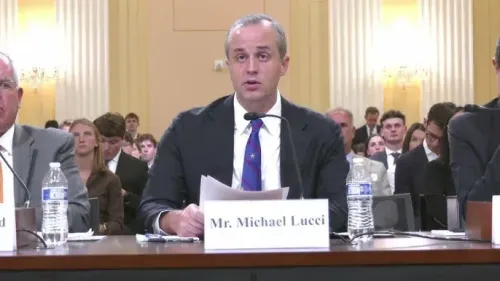
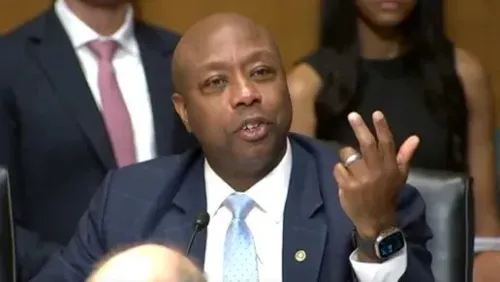
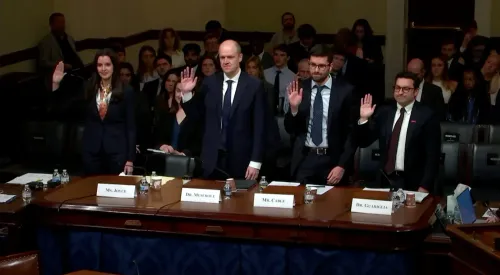
Security experts testified before the US House Intelligence Committee on 22 July , nearly 25 years after the September 11 attacks .
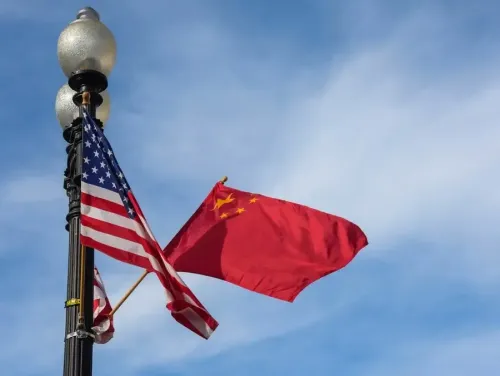
Seth Jones named China the most serious state-based threat to the US homeland, citing intelligence collection operations inside the country and overseas facilities in Cuba and Argentina .
McMaster described a China-Russia 'axis of hostile aggressor states' developing AI, hypersonic weapons, quantum computing, and autonomous systems for hostile purposes.
Frank Cilluffo warned that energy, communications, finance, and undersea infrastructure are being targeted, calling the homeland a 'contested operating environment'.
Benjamin Buchanan said AI has already been used in cyberespionage and ransomware, with US tech firms committing roughly $700 billion in AI infrastructure spending this year.
Witnesses cautioned that geographic sanctuary for the US homeland is effectively over, given adversaries' intercontinental missile and advanced drone capabilities.
National security experts told the US House Intelligence Committee on 22 July that the country faces a fundamentally transformed threat environment nearly 25 years after the September 11 attacks, with China and artificial intelligence now driving the most serious dangers to the American homeland. Witnesses cautioned that while terrorism persists, the threat landscape has expanded to encompass hostile states, disruptive technologies, espionage, and coordinated foreign influence operations.
China as the Primary State-Based Threat
Seth Jones, a national security expert, told the committee that Beijing poses the gravest state-level danger the United States currently faces. 'China and the Chinese Communist Party presents the most serious state based threat to the United States, including in the homeland,' Jones said. He detailed how Chinese intelligence agencies are conducting extensive collection operations inside the US and broadening their overseas footprint — including signals intelligence platforms in Cuba and ground facilities in Argentina.
Jones also warned that the era of geographic sanctuary for the American homeland was effectively over. China, Russia, and North Korea, he said, now possess intercontinental missile capabilities, while advances in drone technology have made long-range precision strikes increasingly accessible.
An Axis of Hostile Aggressor States
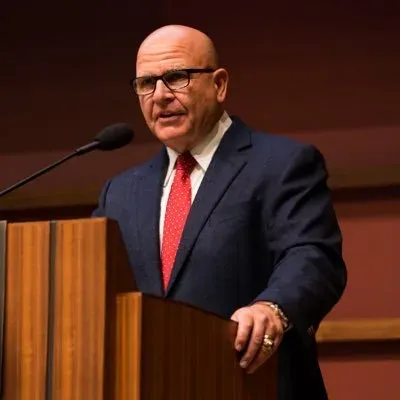
Former White House national security adviser H.R. McMaster described what he called an 'axis of hostile aggressor states' anchored by China and Russia, working in concert to dismantle existing international rules and replace them with arrangements that favour authoritarian governance. McMaster identified a cluster of emerging technologies — including artificial intelligence, quantum computing, bioengineering, hypersonic weapons, cyber capabilities, and autonomous systems — as being actively developed for hostile purposes by these states.
The Homeland as a Contested Operating Environment
Homeland security expert Frank Cilluffo told lawmakers that America's principal adversaries are increasingly targeting the systems on which modern society depends. He listed energy grids, communications networks, transport infrastructure, financial systems, space-based assets, and undersea cables as priority targets. 'The homeland itself has become a contested operating environment,' Cilluffo said. He added that cyber operations have become a primary instrument of strategic competition that falls below the threshold of conventional armed conflict.
AI Outpacing Government Adaptation
Former White House special adviser for AI Benjamin Buchanan warned that artificial intelligence is advancing faster than government institutions can adapt, compounded by the fact that its development is overwhelmingly driven by private companies rather than the state. Buchanan said AI has already been deployed in automated cyberespionage, malware campaigns, ransomware attacks, and strikes on critical targets. He noted that major US technology companies plan approximately $700 billion in capital spending this year, the vast majority directed at AI infrastructure. Cilluffo added that AI would further compress decision-making timelines, expand the scale of cyber operations, and lower the barrier to acquiring sophisticated weapons capabilities.
What This Means Going Forward
The hearing reflects a broader reckoning within the US intelligence community about whether its post-9/11 architecture — built primarily around counter-terrorism — is equipped to handle a multi-domain competition with near-peer adversaries. Lawmakers signalled that reforms to intelligence collection, technology governance, and critical infrastructure protection are likely to follow. With AI capital investment surging and adversaries accelerating their own capabilities, the pressure on Washington to adapt its security posture is set to intensify.
Point of View
But its airing in open congressional testimony signals that Washington is shifting from quiet concern to public pressure. The deeper question the hearing did not answer is whether the US intelligence community can reorganise around a multi-domain, technology-first threat without dismantling the counter-terrorism apparatus that remains necessary.
NationPress
20 Oct 2026
Frequently Asked Questions
What did US security experts tell Congress about China?
Experts testified on 22 July that China represents the most serious state-based threat to the United States, including inside the homeland. Chinese intelligence agencies are reportedly conducting extensive collection operations within the US and operating signals intelligence platforms in Cuba and ground facilities in Argentina.
How is artificial intelligence changing the US threat landscape?
AI is accelerating cyber operations, enabling automated espionage, malware, and ransomware attacks, and compressing the time available for decision-making in a crisis. Former White House AI adviser Benjamin Buchanan warned that the technology is advancing faster than government institutions can adapt, with private companies — not governments — driving its development.
What did H.R. McMaster mean by an 'axis of hostile aggressor states'?
Former national security adviser H.R. McMaster used the phrase to describe a coalition led by China and Russia that is working to replace the existing international rules-based order with arrangements favouring authoritarian governments. He said these states are developing AI, hypersonic weapons, quantum computing, and autonomous systems for hostile purposes.
Why did experts say the US homeland is no longer a sanctuary?
Seth Jones warned that China, Russia, and North Korea now possess intercontinental missile capabilities, while advances in drone technology have made long-range attacks more accessible. Frank Cilluffo added that adversaries are actively targeting critical infrastructure — energy, communications, finance, and undersea cables — making the homeland a contested operating environment.
What is the significance of the $700 billion AI capital spending figure?
Benjamin Buchanan cited roughly $700 billion in planned capital spending by major US technology companies this year, almost entirely on AI infrastructure. The figure underscores how rapidly AI capabilities are scaling — and how far ahead private-sector development is running compared to government oversight and regulatory frameworks.