CM Mohan Yadav Pushes Forest Tourism to Boost Tribal Incomes
Synopsis
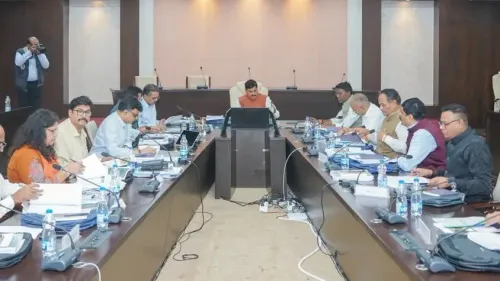
At the MP State Wildlife Board meeting on August 11, CM Dr. Mohan Yadav directed officials to build coordinated forest tourism action plans, ensure tribal community participation in homestays, pursue interstate wildlife exchanges, and enforce strict monitoring of forest land use and illegal mining.
Key Takeaways
Mohan Yadav chaired the MP State Wildlife Board meeting on August 11, 2026 and issued directives on forest tourism development.
The Forest Department and Tourism Department have been asked to coordinate and prepare concrete action plans in areas with tourism potential.
Local tribal and forest-dwelling communities must be ensured participation in homestay facilities and tourism activities .
Officials were directed to pursue interstate wildlife exchanges to support species management and genetic diversity.
Strict monitoring of forest land use and illegal excavation was mandated alongside the tourism push.
The initiative aims to increase income and employment for tribal families living near Madhya Pradesh's forests.
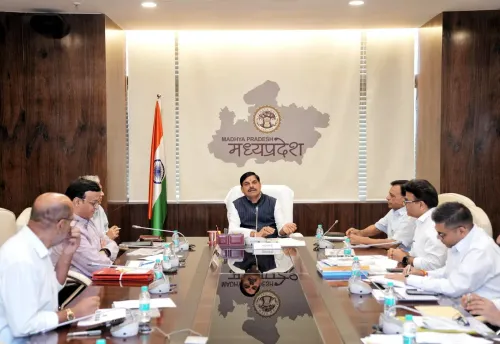
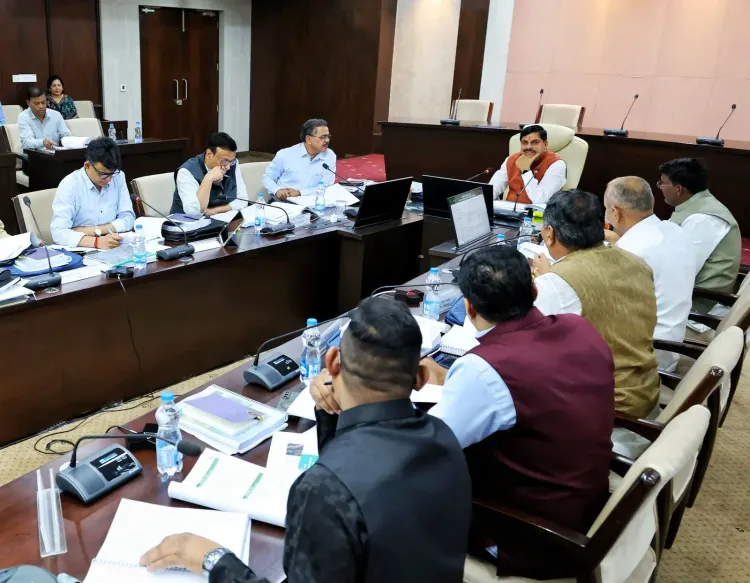
At the heart of Madhya Pradesh's sprawling tiger country, a new economic push is taking shape. Madhya Pradesh Chief Minister Dr. Mohan Yadav chaired the MP State Wildlife Board meeting on Tuesday, August 11, 2026, and walked out with a clear directive: turn the state's forest wealth into a livelihood engine for its tribal and forest-dwelling communities.
Addressing officials at the board meeting, Dr. Yadav instructed that forest tourism must receive special focus, with the Forest Department and Tourism Department working in active coordination to prepare and execute concrete action plans wherever potential exists. In his words, 'yah prayas janglon ke aaspaas rehne wale vanvasiyon evam janjatiya parivaron ki aay aur rozgaar badhane ka madhyam bhi bane' — this effort must also become a means to increase the income and employment of forest-dwelling and tribal families living near the jungles.
Homestays, Local Hands, and a Seat at the Table
The Chief Minister was specific about who should benefit. Participation of local communities in homestay facilities and tourism activities must be ensured — not as an afterthought, but as a structural requirement. This positions tribal households as active stakeholders in the tourism economy rather than bystanders to it.
Madhya Pradesh carries significant weight in India's wildlife tourism circuit. Home to marquee reserves including Kanha and Bandhavgarh, the state has long drawn visitors seeking tiger sightings. The policy push now aims to ensure that the economic ripple from those footfalls reaches the villages at the forest edge, through community-owned homestays and locally-led tourism services.
Interstate Wildlife Exchanges and a Crackdown on Illegal Mining
Dr. Yadav also directed officials to pursue exchanges of wildlife with other states — a measure that serves both species management and genetic diversity goals across India's protected area network. Such inter-state transfers, governed under the Wildlife (Protection) Act, 1972, are a recognised tool for strengthening populations of species that face inbreeding risks in isolated reserves.
On the enforcement side, the CM issued firm instructions for strict monitoring of forest land use and illegal excavation. Encroachment and illegal mining remain persistent threats to forest integrity across central India, and the directive signals that conservation governance will run alongside the tourism expansion — not be subordinated to it.
Connecting Conservation to Community Income
The broader pattern here is national in scope. Community participation models in forest tourism align with central government frameworks linking wildlife protection to tribal livelihood programmes. What Madhya Pradesh is attempting is to operationalise that linkage at the state level — turning policy intent into action plans with named departments, named communities, and measurable outcomes.
The next test is execution: whether coordinated forest-tourism plans actually roll out with tribal communities at the centre, and whether the monitoring mandate on illegal mining translates into real enforcement on the ground. The Wildlife Board has its marching orders. Now the forest has to deliver.
Point of View
The CM is trying to bridge the long-standing tension between protected-area management and tribal livelihoods. The simultaneous crackdown on illegal mining signals that the government wants to project environmental credibility alongside the development push. Whether the coordination between the Forest and Tourism departments materialises into ground-level outcomes will determine if this remains a policy statement or becomes a structural shift.
NationPress
11 Aug 2026
Frequently Asked Questions
What did CM Mohan Yadav announce at the MP Wildlife Board meeting?
CM Dr. Mohan Yadav directed officials to develop special action plans for forest tourism, ensure tribal community participation in homestays, pursue interstate wildlife exchanges, and enforce strict monitoring of forest land use and illegal mining.
How will forest tourism benefit tribal communities in Madhya Pradesh?
The CM specifically directed that local tribal and forest-dwelling families be included in homestay facilities and tourism activities, aiming to increase their income and employment from the growing visitor footfall in forest areas.
What is the MP State Wildlife Board?
The Madhya Pradesh State Wildlife Board is a state-level advisory body responsible for wildlife conservation policy and management decisions, chaired by the Chief Minister.
Why did CM Yadav call for interstate wildlife exchanges?
Interstate wildlife exchanges, permitted under the Wildlife (Protection) Act 1972, help manage species populations and maintain genetic diversity across India's protected area network.
What action is being taken against illegal mining in Madhya Pradesh forests?
CM Dr. Mohan Yadav issued specific instructions at the Wildlife Board meeting for strict monitoring of forest land use and illegal excavation to protect forest integrity alongside the tourism development push.