CM Mohan Yadav Links Vedic Wisdom to MP Water Conservation Drive
Synopsis
Madhya Pradesh Chief Minister Dr. Mohan Yadav on 26 May 2026 cited Vedic teachings on goodwill and universal welfare to champion the state's water conservation drive, claiming Madhya Pradesh leads the nation in this effort ahead of the monsoon season.
Key Takeaways
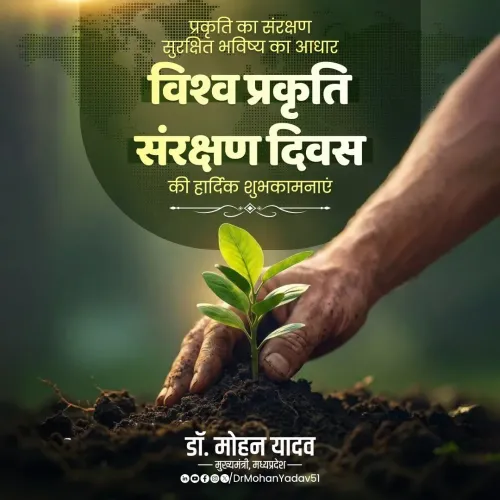
Mohan Yadav posted on 26 May 2026 invoking Vedic values of goodwill and world welfare to frame water conservation as a moral duty.
He claimed Madhya Pradesh is 'most ahead' in the country in the 'pious work' of saving water.
The Mukhya Mantri Jal Swavalamban Abhiyan , launched in 2016 , established community water harvesting structures across the state.
The centrally sponsored Jal Jeevan Mission (launched 2019 ) has driven household tap connectivity, with Madhya Pradesh reporting significant coverage.
The post comes ahead of the monsoon season , when water harvesting initiatives gain heightened policy focus.
Linking Vedic or indigenous knowledge to water policy is part of a broader pattern in Indian state-level governance communications since 2014 .
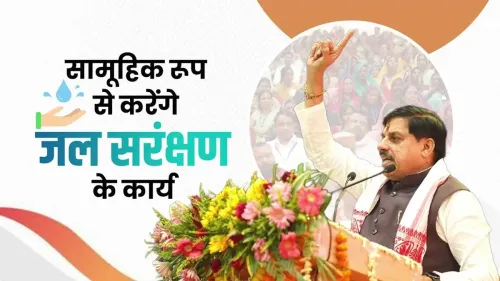
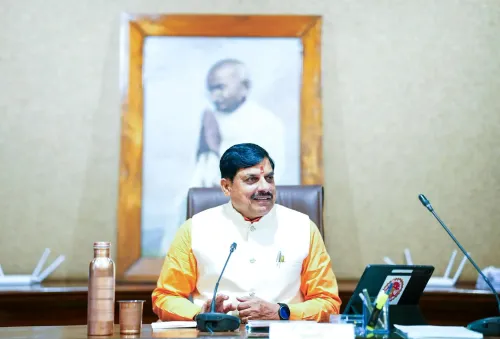
Madhya Pradesh Chief Minister Dr. Mohan Yadav on Tuesday, 26 May 2026, invoked Vedic teachings on harmony and universal welfare to underline the state's commitment to water conservation, asserting that Madhya Pradesh stands at the forefront of this effort in the country.
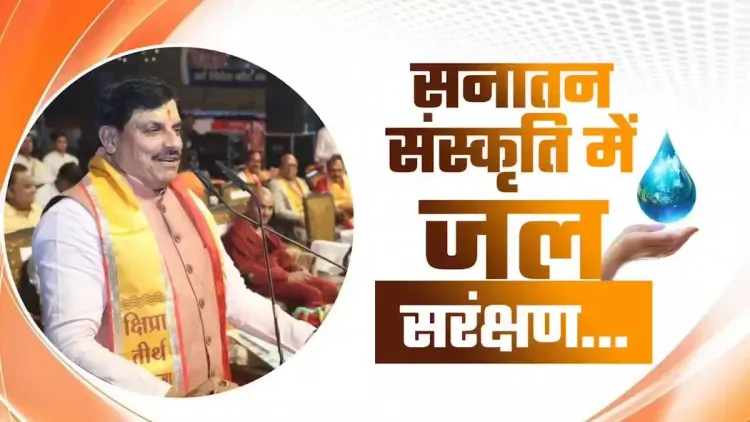
Posting in Hindi on X, the Chief Minister wrote: 'हमारे वेद धर्म की जय कहते हैं, प्राणियों में सद्भावना और विश्व कल्याण की बात करते हैं।' ('Our Vedas speak of the glory of dharma, of goodwill among all living beings and the welfare of the world.') He added that the Vedas also call for water conservation, and expressed satisfaction that Madhya Pradesh is leading this 'pious work' of saving water.
Context
The post frames water conservation within a cultural and spiritual register, drawing a direct line from ancient Vedic injunctions to present-day state policy. Dr. Yadav, who has served as Chief Minister since December 2023, has consistently woven references to cultural heritage into his governance communications. The statement comes ahead of the monsoon season, a period when water harvesting and groundwater recharge initiatives typically gain urgency across central India.
Madhya Pradesh is home to significant river systems, including the Narmada, and agriculture and rural water management remain central policy priorities for the state government. The timing of the post signals an intent to mobilise public and administrative attention toward conservation before seasonal rains arrive.
Policy Backdrop
The state has a documented history of water conservation programmes. The Mukhya Mantri Jal Swavalamban Abhiyan, launched in 2016, promoted community-driven water harvesting structures and watershed development across rural Madhya Pradesh. At the national level, the National Water Mission, established in 2011 under the National Action Plan on Climate Change, set frameworks for water-use efficiency that states including Madhya Pradesh have worked within.
The centrally sponsored Jal Jeevan Mission, launched in 2019, has aimed to provide functional household tap connections across India, with Madhya Pradesh reporting substantial coverage in subsequent progress updates. Linking Vedic or indigenous knowledge systems to measurable conservation targets has become a broader pattern in Indian state-level policy communication since 2014, and Madhya Pradesh has been among the states adopting this approach.
Stakeholders and Impact
The primary beneficiaries of water conservation programmes in Madhya Pradesh are farmers and rural households, who depend on groundwater and surface water for both irrigation and drinking needs. Community-level water harvesting structures built under state and central schemes directly affect agricultural productivity and household water security in drought-prone districts.
By anchoring the conservation message in Vedic values, Dr. Yadav also appears to be addressing a wider civic audience, seeking to build cultural resonance around behavioural change in water use — a challenge that technical policy alone has historically struggled to achieve in large, agrarian states.
What's Next
Attention will turn to the next round of district-wise data under the Jal Jeevan Mission, which will offer a clearer picture of on-ground coverage and gaps in Madhya Pradesh. Any state budget announcements targeting new water harvesting infrastructure ahead of the monsoon will be closely watched by rural development observers and farmers' groups alike. The Chief Minister's framing suggests that water conservation will remain a prominent theme in the state government's public communications in the weeks ahead.
Point of View
The Chief Minister seeks to broaden the moral ownership of a policy challenge that disproportionately affects farmers and rural communities. The claim of Madhya Pradesh leading the nation in water conservation, while unverified by comparative data, serves to project governance credibility ahead of the monsoon — a politically sensitive season for an agrarian state. This pattern of aligning ancient texts with contemporary scheme delivery reflects a wider effort to build durable public buy-in for conservation behaviour beyond the reach of government programmes alone.
NationPress
12 Oct 2026
Frequently Asked Questions
What did CM Mohan Yadav say about water conservation?
On 26 May 2026 , Chief Minister Dr. Mohan Yadav said that the Vedas call for water conservation alongside goodwill and world welfare, and expressed satisfaction that Madhya Pradesh is leading the country in this effort.
What is the Mukhya Mantri Jal Swavalamban Abhiyan?
The Mukhya Mantri Jal Swavalamban Abhiyan is a Madhya Pradesh government scheme launched in 2016 to promote community-driven water harvesting structures and watershed development in rural areas.
How is Madhya Pradesh performing under Jal Jeevan Mission?
Madhya Pradesh has reported substantial coverage under the Jal Jeevan Mission , the centrally sponsored scheme launched in 2019 to provide functional household tap connections, though district-wise data continues to be updated.
Why is water conservation important for Madhya Pradesh?
Madhya Pradesh is a largely agrarian state with significant dependence on groundwater and river systems such as the Narmada ; water availability directly affects agricultural productivity and drinking water security for rural households and farmers.
What is the National Water Mission?
The National Water Mission was established in 2011 under India's National Action Plan on Climate Change to promote water-use efficiency and conservation, providing a policy framework that states including Madhya Pradesh operate within.